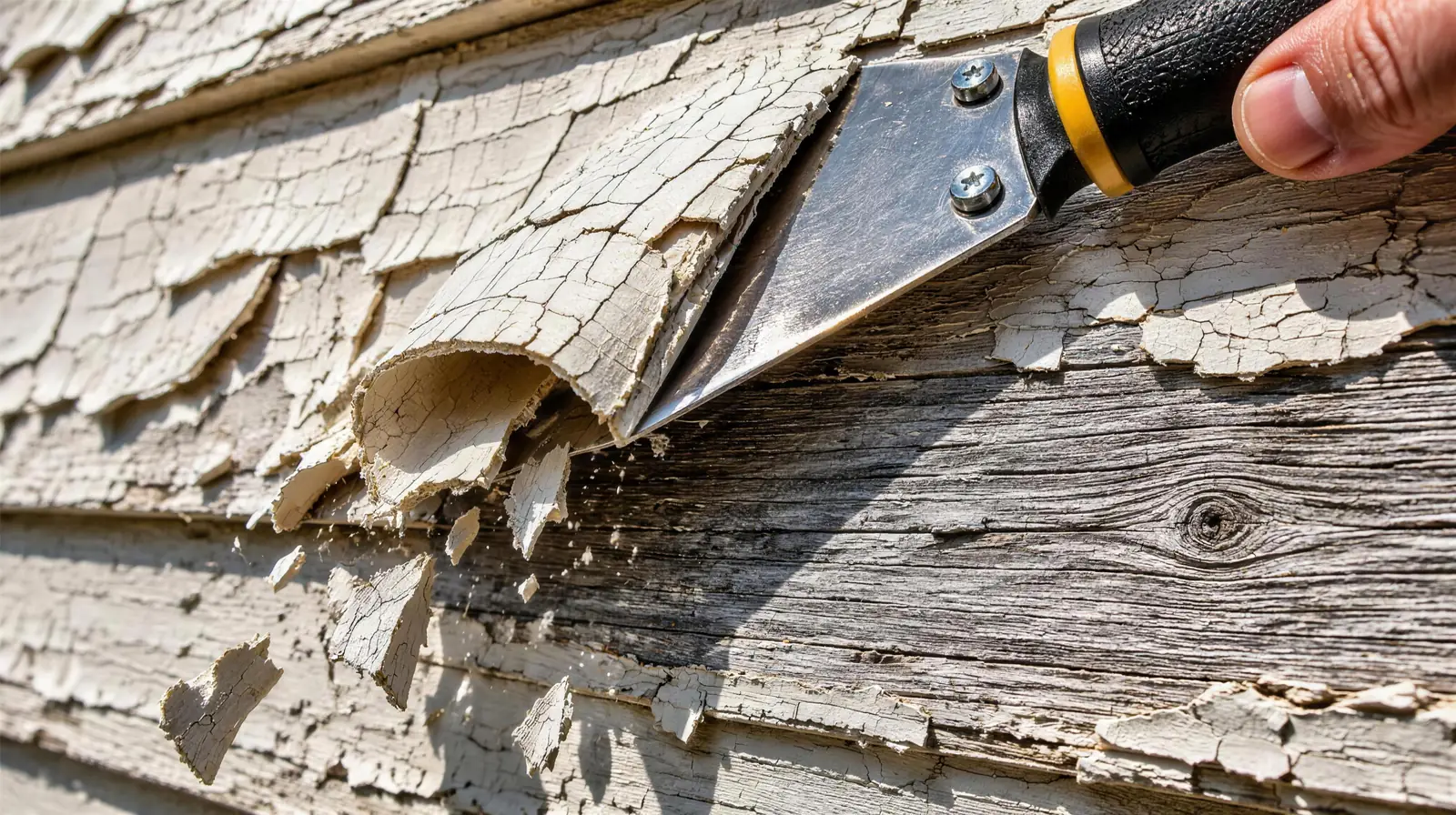
Old Town cottages: prep is most of the job
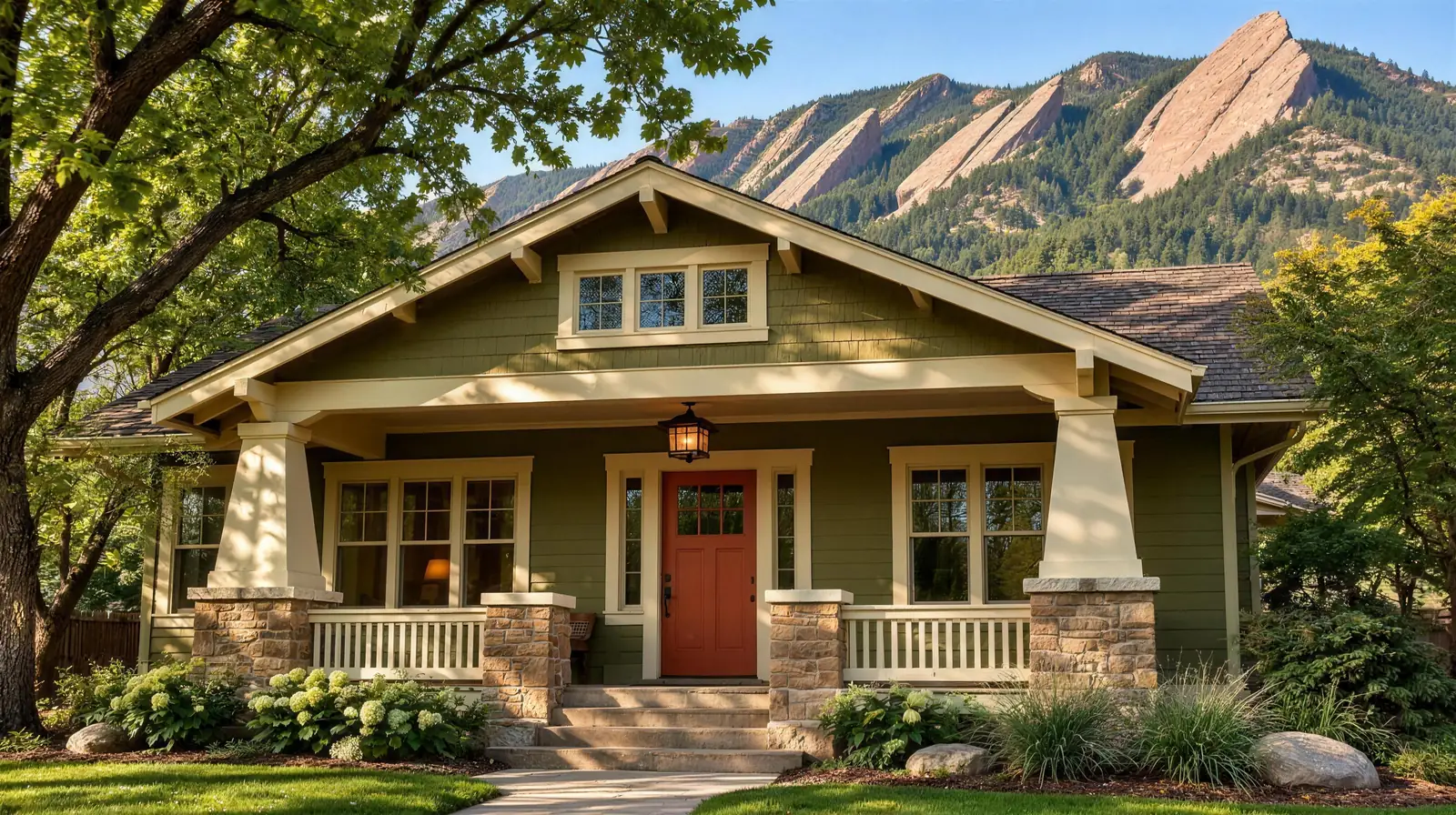
The small houses around downtown Louisville date to the town's coal-mining era, which ran from the late 1800s into the middle of the 1900s. Many have wood lap siding with decades of paint on it, and on homes this old some of those layers very likely contain lead.
Any house built before 1978 falls under the EPA's Renovation, Repair and Painting rule when paint is disturbed. In practice that means plastic on the ground, no open-flame burning or uncontrolled power sanding, wet scraping where it helps, and careful cleanup. It adds time. It's also the part of the job that protects kids, pets and the soil in your garden beds. Our exterior prep and repair page covers the steps.
Old wood hides rot, too. Window sills, the bottoms of corner boards and porch skirting are where soft spots turn up most, because snow sits there and melts slowly on the shaded side. Replacing a few feet of board before painting costs far less than painting over it and finding it again a few years later.
Historic downtown and what review applies
Louisville has an active historic preservation program, and some homes in and near the historic downtown are designated landmarks. Designation can bring review of exterior changes. Repainting existing surfaces is a different request from replacing siding, windows or trim, and the city decides what needs review, so we ask owners to confirm with Louisville's planning and preservation staff before any material changes. If you're keeping original siding and only repainting, say so up front; it usually keeps things simple.
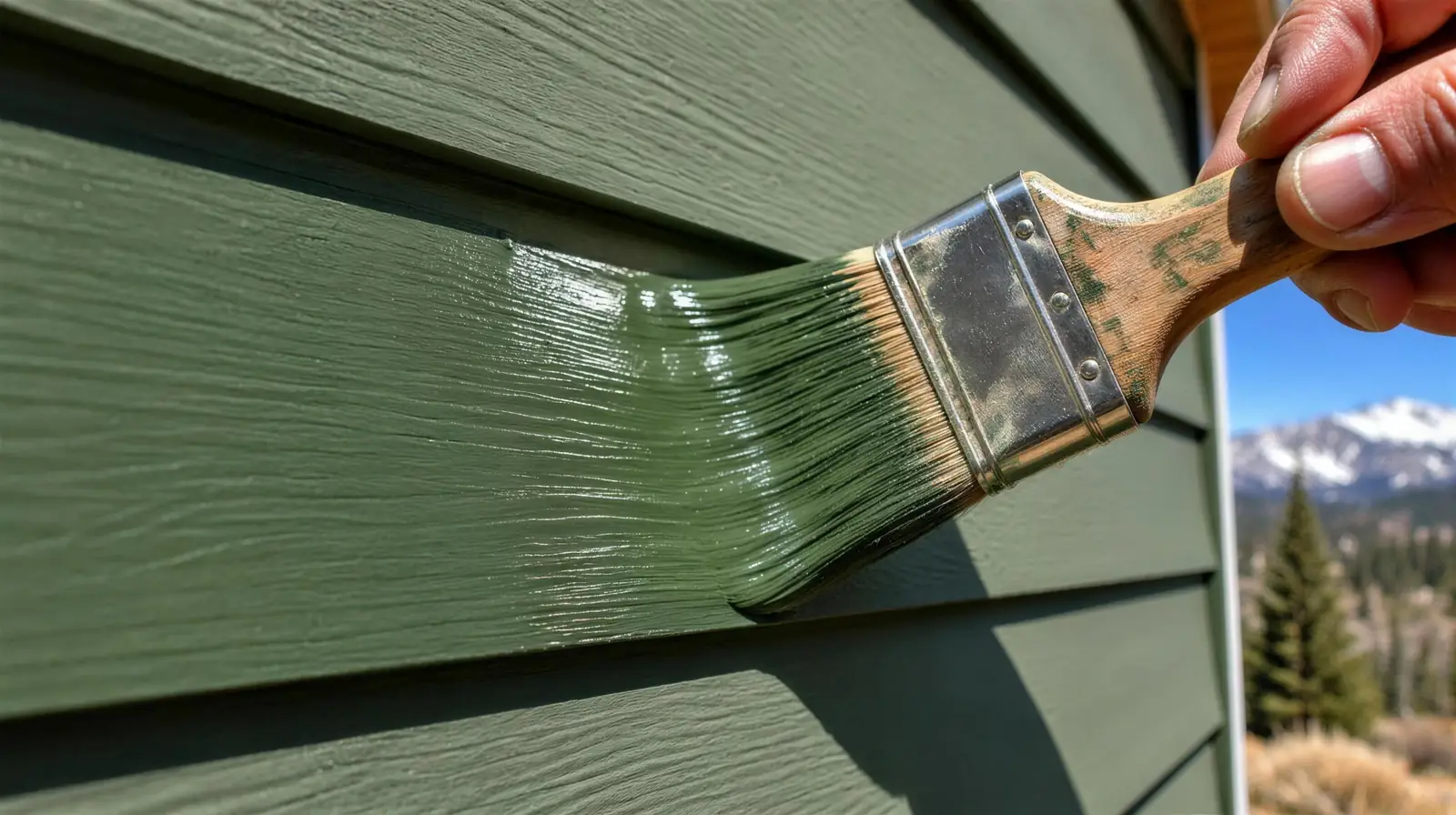
On these older houses we favor brushing trim and window parts. Spraying is faster, but it can bury the profile of old molding under too much paint, and it makes containment on a lead job harder. Old window glazing gets the same hand treatment: we reglaze loose putty before painting so the sash sheds water.
How Louisville's housing eras compare
| House type | Common siding | What tends to fail first | Our usual approach |
|---|---|---|---|
| Mining-era cottage near downtown | Wood lap, sometimes under later siding | Paint cracking down to bare wood, rotted sills | Lead-safe scraping, wood repair, primer on all bare wood, two topcoats |
| Ranch or split-level, 1960s to 1980s | Wood or hardboard lap, brick lower walls | Swollen hardboard near grade, peeling fascia | Replace swollen boards, seal edges, prime and paint; leave bare brick bare |
| Subdivision home, 1990s to 2000s | Hardboard or engineered wood, some stucco | Faded south and west walls, open caulk joints | Wash, recaulk, spot prime, two coats |
| Rebuilt after 2021 | Fiber cement, engineered wood | Thin builder paint on sunny walls | Inspect a few years in, recoat when the film wears |
Unpainted brick usually stays unpainted on our jobs. Paint can trap moisture in masonry, and once it's on, it doesn't come off easily.
Patched walls on rebuilding blocks
The Marshall Fire burned through several Louisville neighborhoods in December 2021. Rebuilding has put new houses beside homes that survived, some with heat-damaged siding or fencing replaced in patches. Those patched walls are tricky: new material takes paint differently than weathered boards, and a spot repaint almost always shows. We usually recommend painting the full wall, corner to corner, so sheen and color age together. Owners in neighboring Superior deal with the same mix.
Timing the work at 5,350 feet
Louisville sits close enough to the foothills for winter chinook winds and has a short, sunny painting season. We generally paint from late spring into early fall, starting each day on the side of the house the sun has already left or hasn't reached yet. Paint rolled onto a sun-baked west wall in July can dry too fast to level, and lap marks show. Spring hail and the occasional May snowstorm can push start dates, so we build slack into the schedule.
Request an estimate and tell us the year your home was built.