What Superior's housing asks of a paint job
Most of Superior was built fast. Rock Creek and the neighborhoods around it went up from the 1990s into the 2000s, so a large share of homes in town come from the same era: wood or hardboard trim, a mix of stucco and lap siding, and builder paint that has long since been replaced at least once. Original Town Superior is the exception, with older and smaller homes on a street grid that predates the subdivisions.
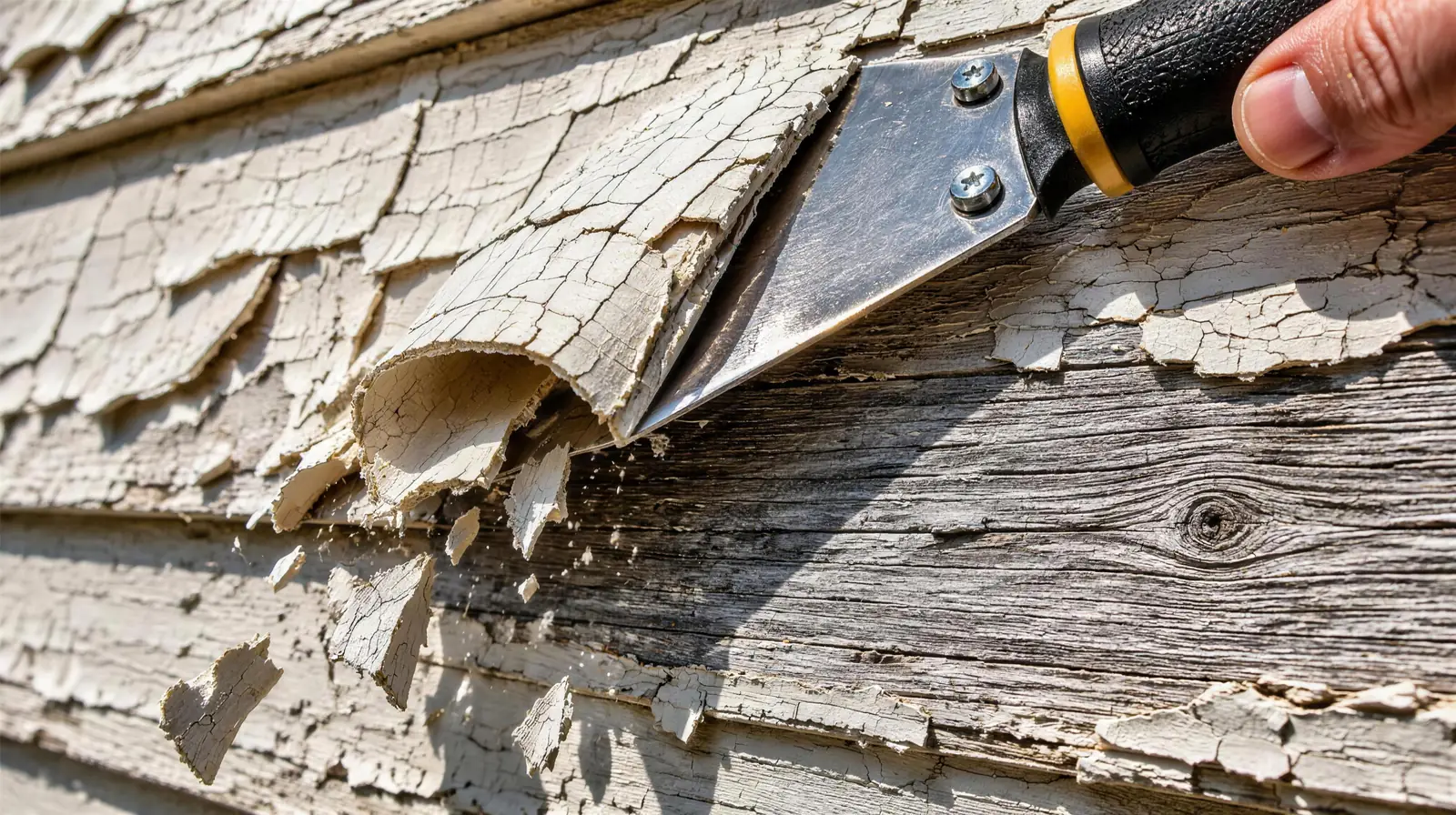
Sitting at roughly 5,500 feet on open ground along US 36 between Boulder and Broomfield, these houses take a lot of sun. UV at this altitude breaks down paint binders faster than at sea level. It shows up as chalk you can wipe off with a finger, fading on the south and west walls, and trim that looks tired years before the field color does. On stucco homes, hairline cracks around windows and at control joints are the other early sign.
Rebuilt homes and the houses that stood next to them
The Marshall Fire on December 30, 2021 destroyed more than a thousand homes across Superior, Louisville and unincorporated Boulder County. Rebuilding has changed whole blocks, and it raises painting questions that don't come up elsewhere on the Front Range.
A rebuilt house usually carries builder paint over new fiber cement or engineered wood. That coating is often a single coat, and the first places it wears are the sunny elevations and the caulk joints around trim. We look at a rebuilt home a few years in, check how the south and west faces are holding, and give you an honest read on timing. Sometimes the right call is to recaulk and wait.
Homes that survived are a different case. Some had siding, trim or fencing replaced in sections after heat or smoke exposure, so one wall now carries new material and fresh paint while the rest has years of weathering. Spot painting those patches rarely matches, because aged paint and new paint reflect light differently even in the same color.
Wind, hail and the working calendar
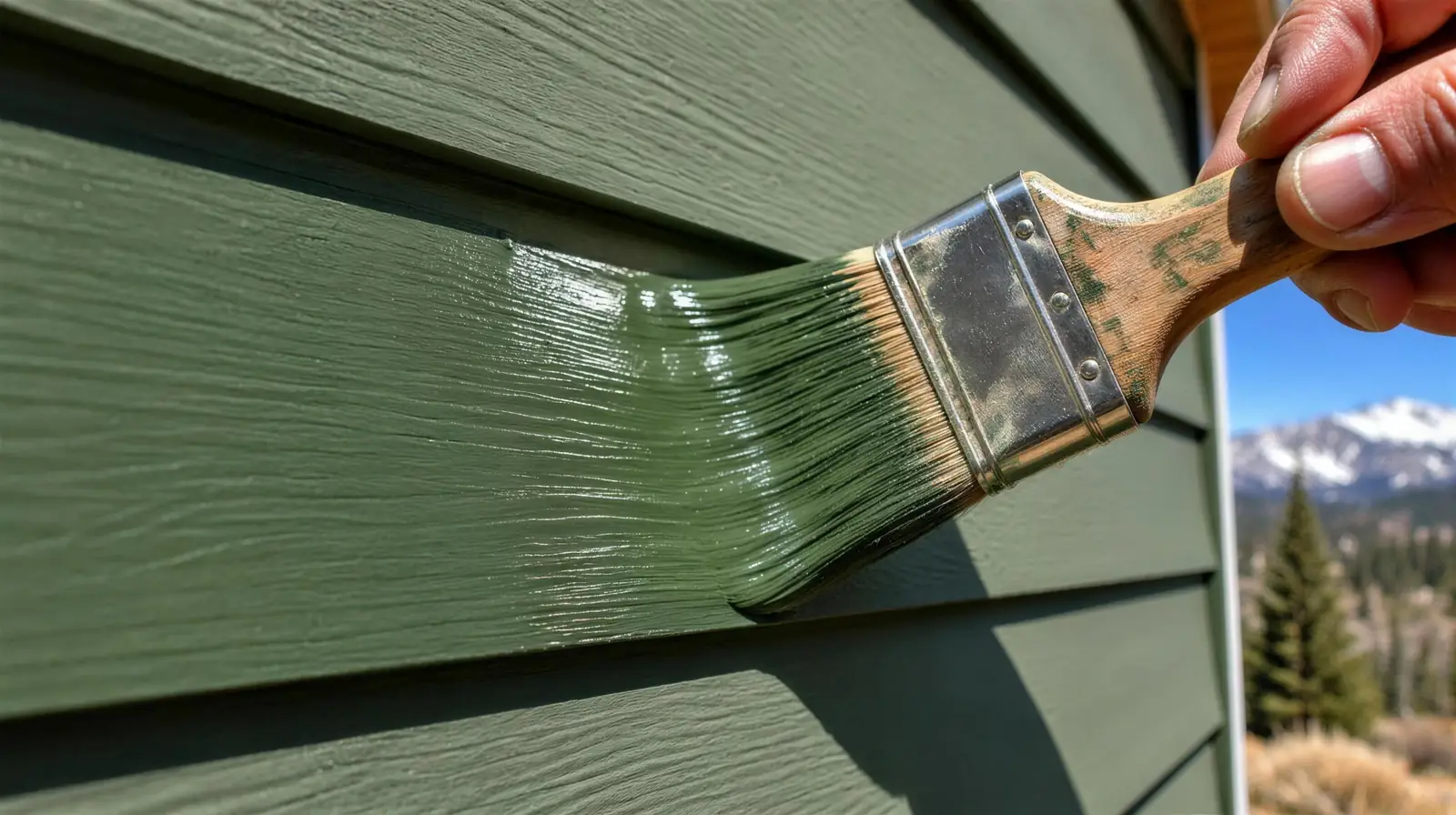
Superior sits close enough to the foothills to catch the strong downslope winds that the National Weather Service Boulder office warns about most winters. Those same winds drove the 2021 fire. For painting, wind matters in two ways: it carries dust and grit into wet paint, and it makes spraying a poor choice because overspray drifts onto cars, roofs and neighbors' houses. On gusty days we switch to brush and roller, or move to the sheltered side of the house.
Hail is the other regular visitor, mostly in late spring and summer storms. Dented gutters, chipped trim and split paint on fascia corners are common after a hard one. We prime bare spots before topcoating; paint over raw metal or wood without primer tends to lift within a season or two.
Our working season here usually runs from late spring into early fall. Morning dew and cold nights cut into the shoulder months, and each coating's product data sheet sets the minimum air and surface temperature we work to.
Questions to settle before an estimate
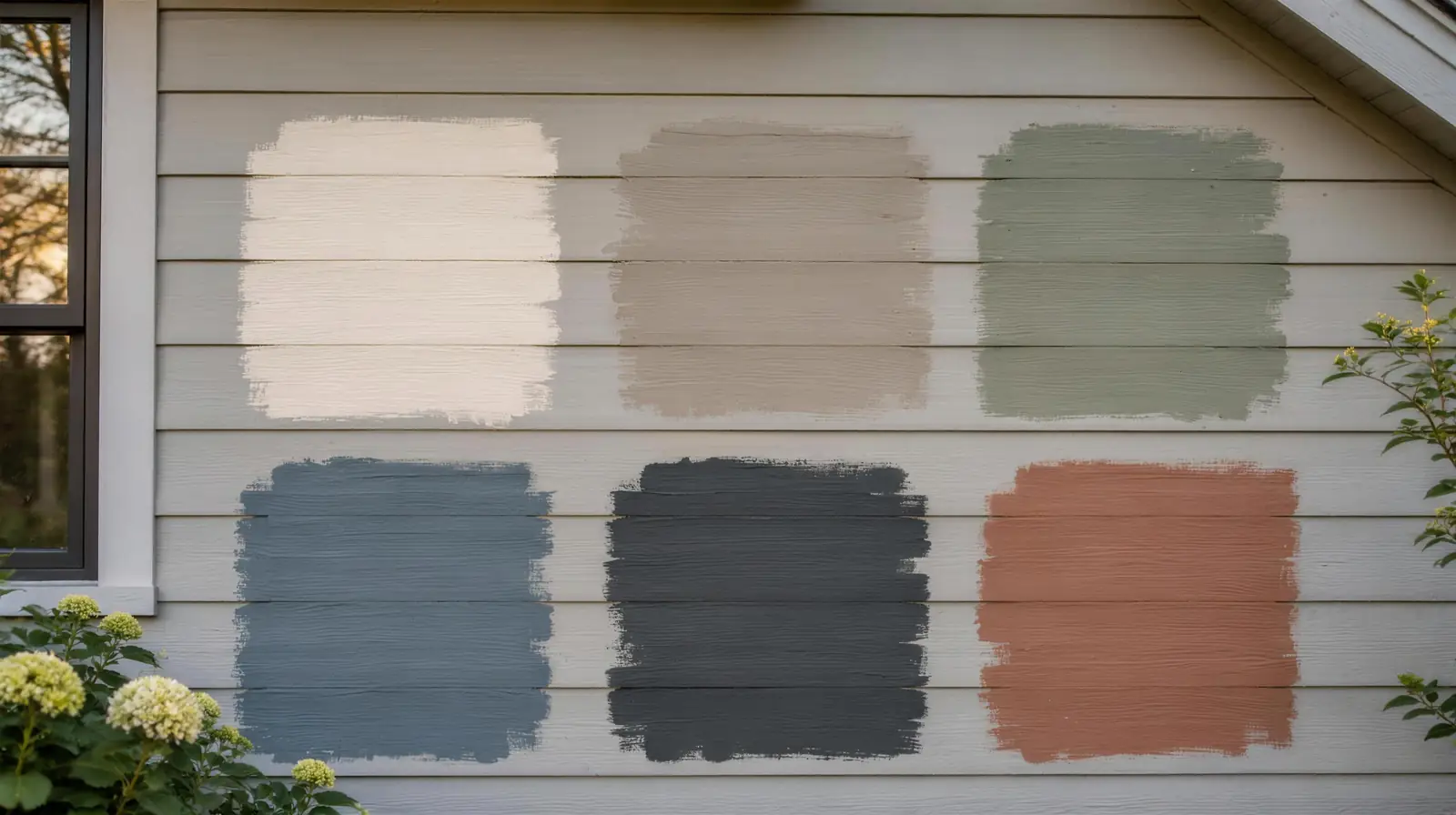
- Does your HOA require color approval, and how long does its review usually take?
- Is your stucco cement-based, a synthetic finish, or patched in places? That changes the primer and paint. Our stucco painting page explains how we sort it out.
- Was any siding or trim replaced after the fire or after hail, and is it a different material from the rest?
- Are gutters, downspouts and garage doors included, or only walls and trim?
- Which walls get afternoon sun? Those are the ones we check first and prep hardest.
In HOA neighborhoods we can help with the submittal paperwork; our HOA and townhome painting page shows how. Many owners here also compare notes with neighbors across the line in Louisville, where rebuilds raise the same questions.
Request an estimate and we'll walk the house with you, wall by wall.