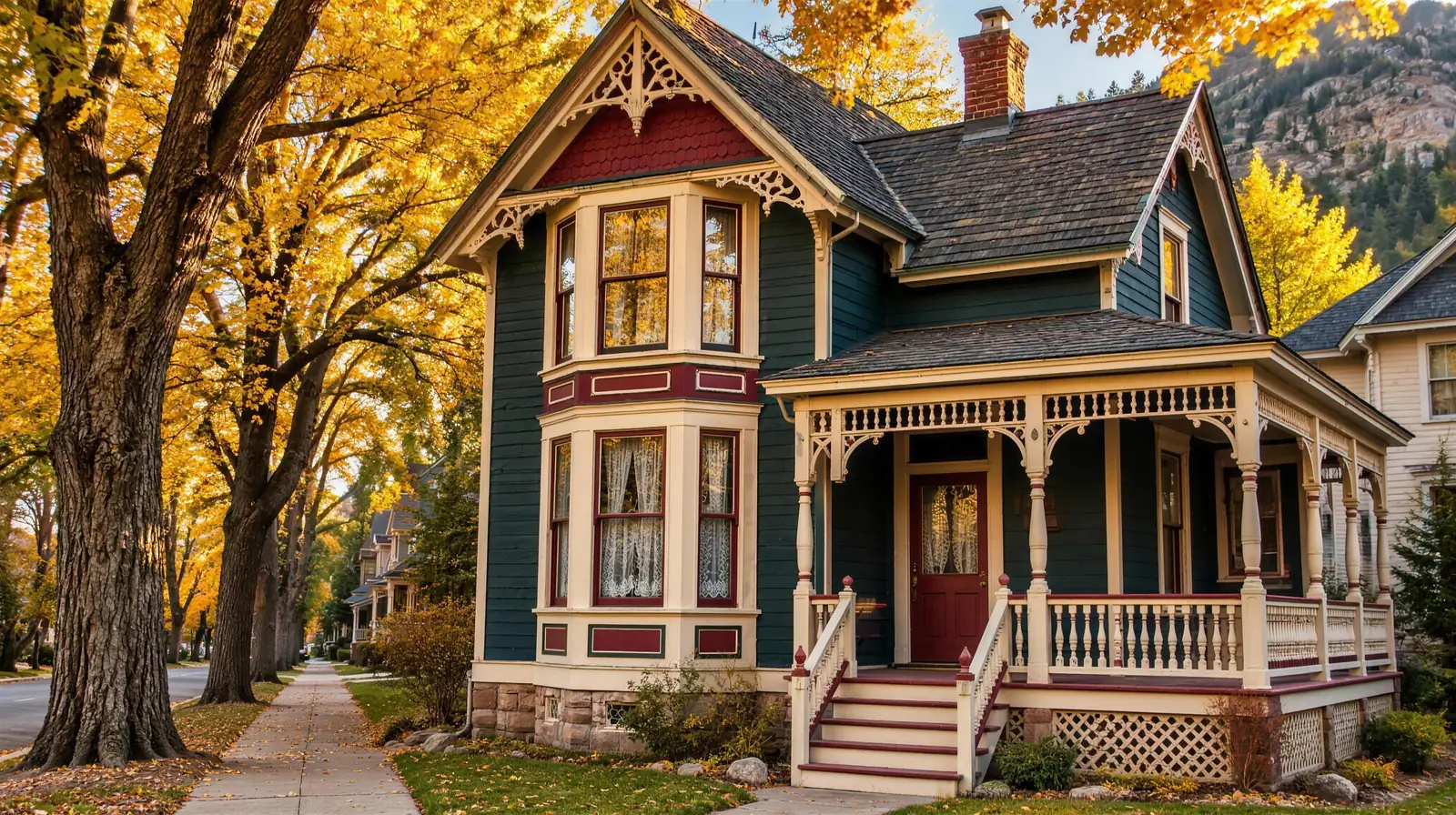
Old Town and designated historic homes
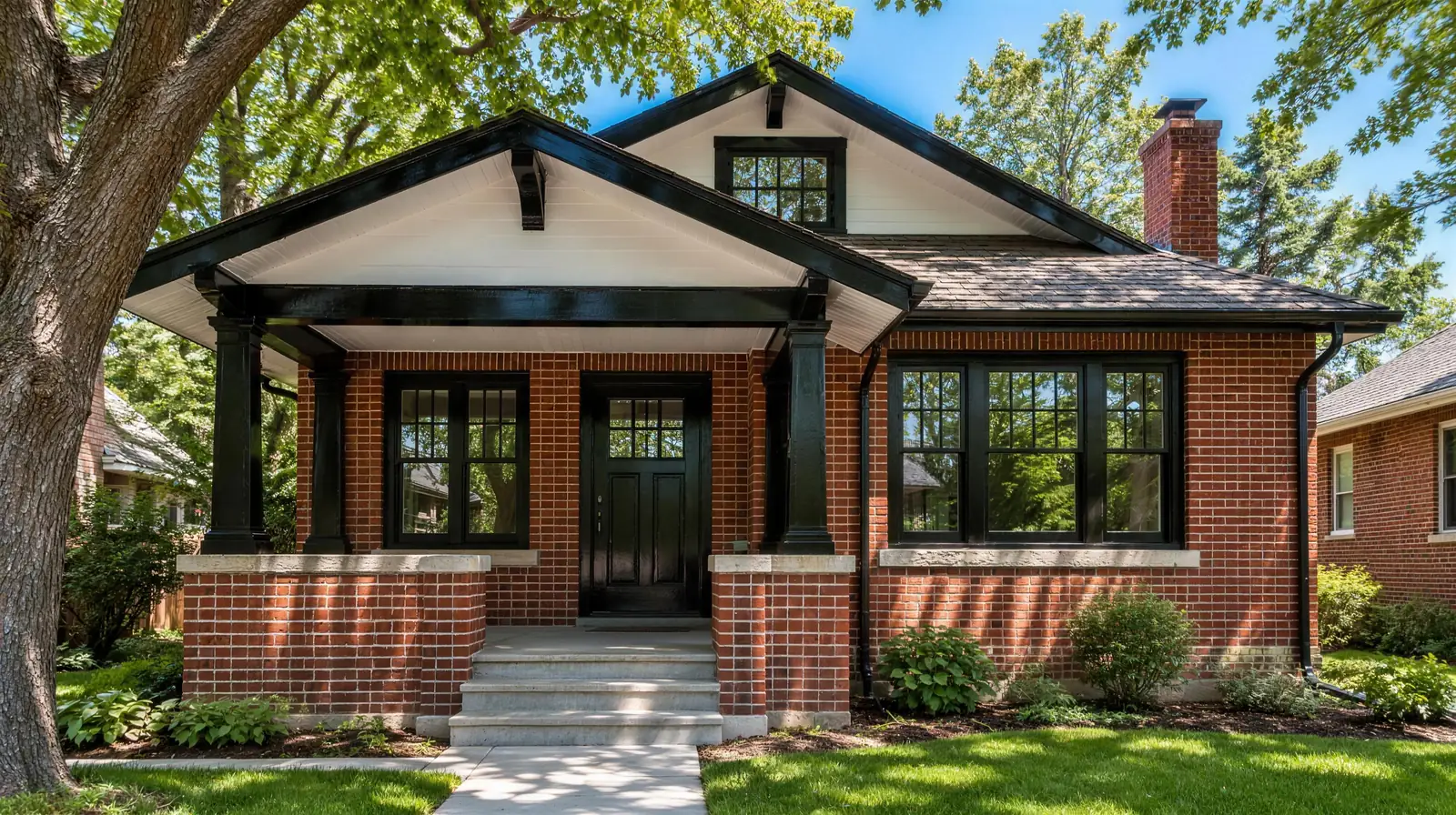
Fort Collins has an active historic preservation program, and the neighborhoods around Old Town hold Victorians, foursquares, Craftsman bungalows and brick cottages, many of them well over a century old. Some are designated landmarks or sit within designated districts. That can affect what you're allowed to change on the outside.
If this, then that
- If your house is a designated landmark or in a designated historic district, then contact the city's historic preservation staff before work starts and ask what review applies to paint, trim repair and any replacement materials.
- If you aren't sure whether it's designated, then check with the city first; we'll wait for the answer before ordering anything.
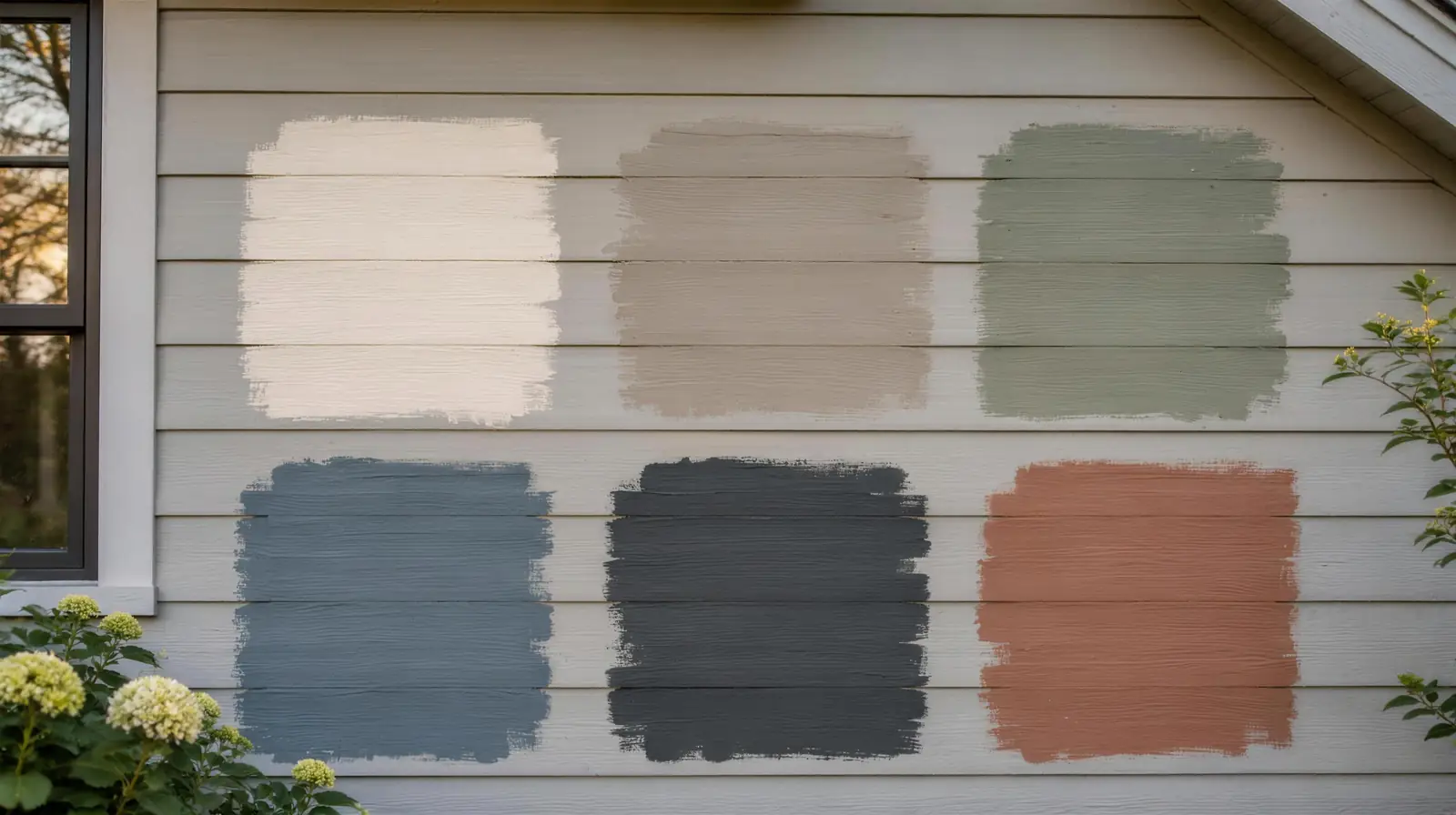
- If the house is old but not designated, then the colors are your call, though period-appropriate schemes often suit these homes best.
- If original wood trim or siding is rotted, then repair it in kind where possible, especially on designated homes, where replacing materials can trigger review.
We don't decide what the city requires. We just make sure the question gets asked before the ladders go up.
Many layers, some with lead
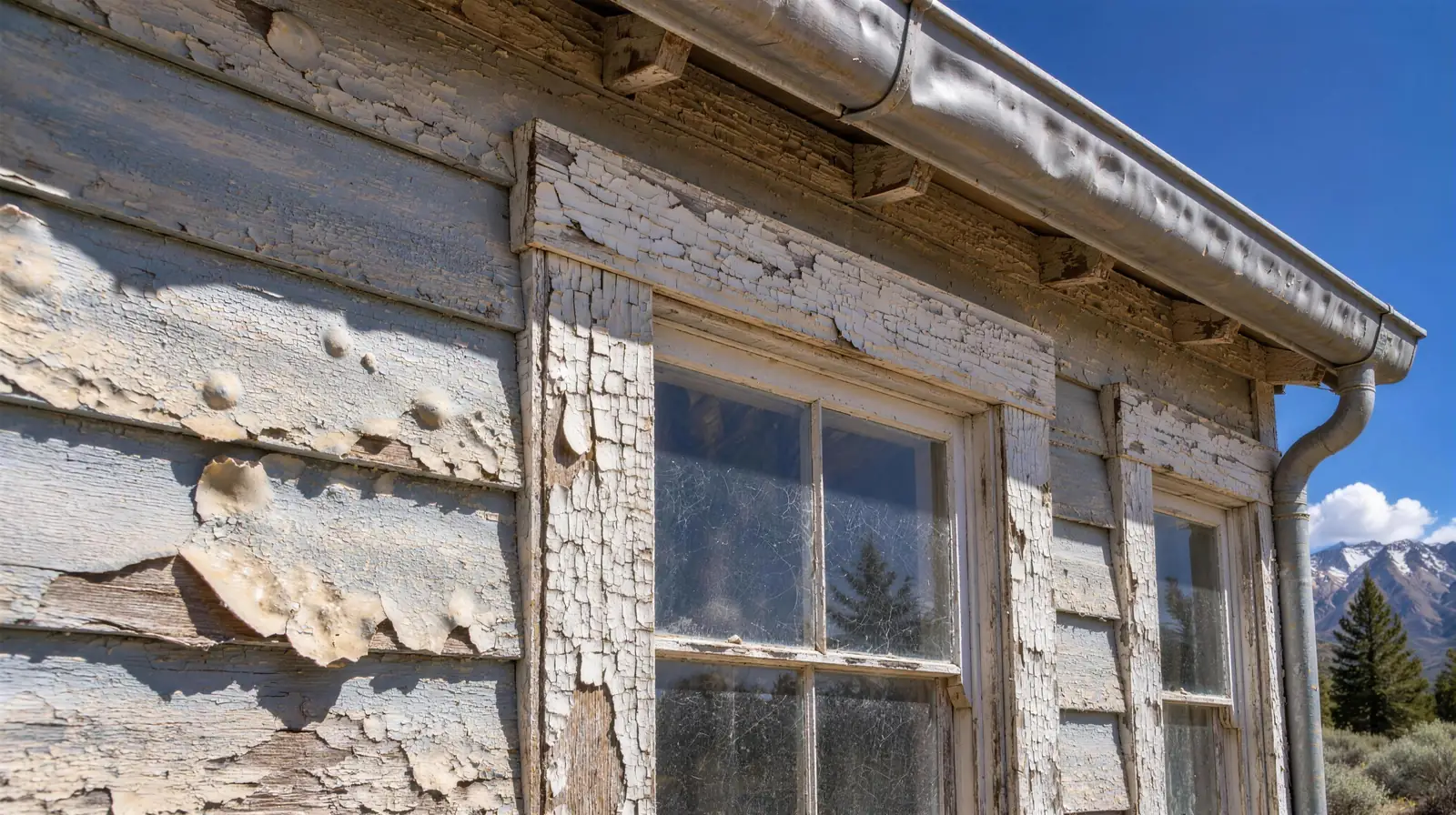
A house built in the 1890s or early 1900s may have dozens of paint layers, and the older ones very often contain lead. Any paid work that disturbs paint on a pre-1978 home falls under the EPA's Renovation, Repair and Painting rule, which sets lead-safe work practices. On these houses we lay plastic on the ground, mist and wet-scrape, bag debris daily and skip open-flame burning and uncontrolled power sanding.
Thick, alligatored paint sometimes can't be saved by scraping alone. Where the layers have cracked through, removing them down to a sound surface is slower but the only way a new coat will last. The exterior prep and repair page explains how we approach that.
Hardboard siding from the 1970s to 1990s
Much of the city's growth in the 1970s, 80s and 90s went south and southeast of downtown, and a lot of those homes were built with hardboard lap or panel siding. Hardboard is a pressed wood-fiber product. It holds paint well while the surface is sealed, but water that gets into a cut edge or crack makes it swell, soften and flake. The bottom drip edge of each course, the area behind downspouts and the boards near grade go first.
Sound hardboard can be washed, sealed at the edges, primed and painted. Boards that are swollen or soft need replacement, sometimes with fiber cement or engineered wood that matches the profile. More on materials is on our siding painting page.
Weather from the foothills to the east side
At about 5,000 feet, the sun breaks down paint faster than it does at lower elevations, and south and west walls fade and chalk first. West-side neighborhoods near the foothills catch strong winds, particularly from late fall into spring, and the east side gets full sun with little shade on newer streets. Hail is a regular summer event across Fort Collins, often in fast afternoon storms. Mature trees in the older neighborhoods help shade walls but also keep north sides damp, which invites mildew.
Painting runs best from late spring into early fall. Cold nights in April and October limit work to midday on sunny walls, and the paint maker's data sheet sets the minimum temperature for each product.
Newer homes on the edges of the city
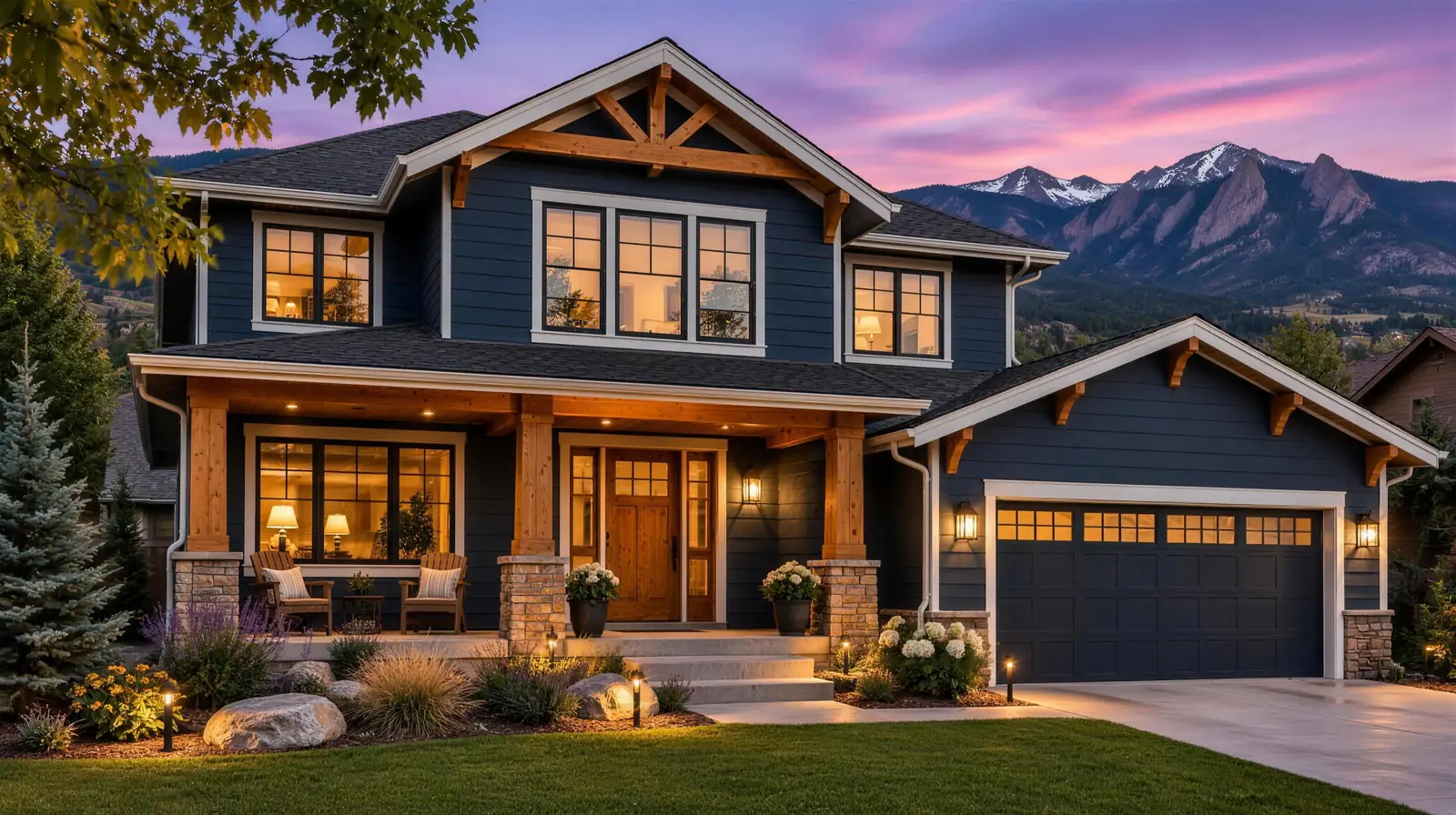
The newer neighborhoods on the east and north sides look a lot like the housing in nearby towns: fiber cement or engineered wood siding, stone accents, and HOA color review. If you're on the east side near I-25, our Timnath exterior painting page covers that kind of first repaint in detail. Wherever you are in the city, request an estimate and we'll start by looking at what your house is made of and how old its paint is.