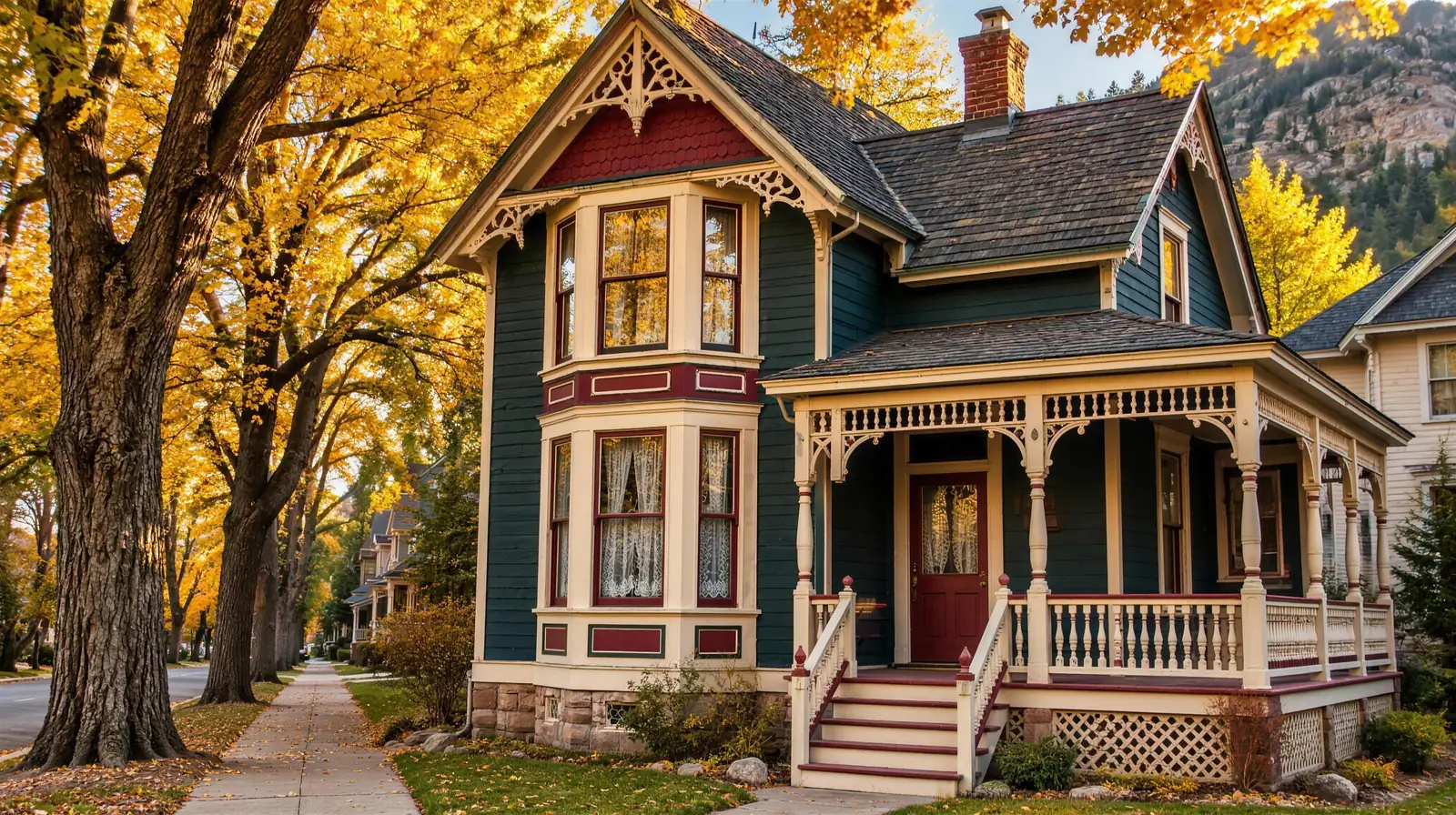
Boulder's wind changes how we paint
Downslope windstorms off the mountains are a known Boulder hazard, and the National Weather Service Boulder office has studied and forecast them for decades. Most arrive between late fall and early spring, and gusts on the west side of town can be violent.
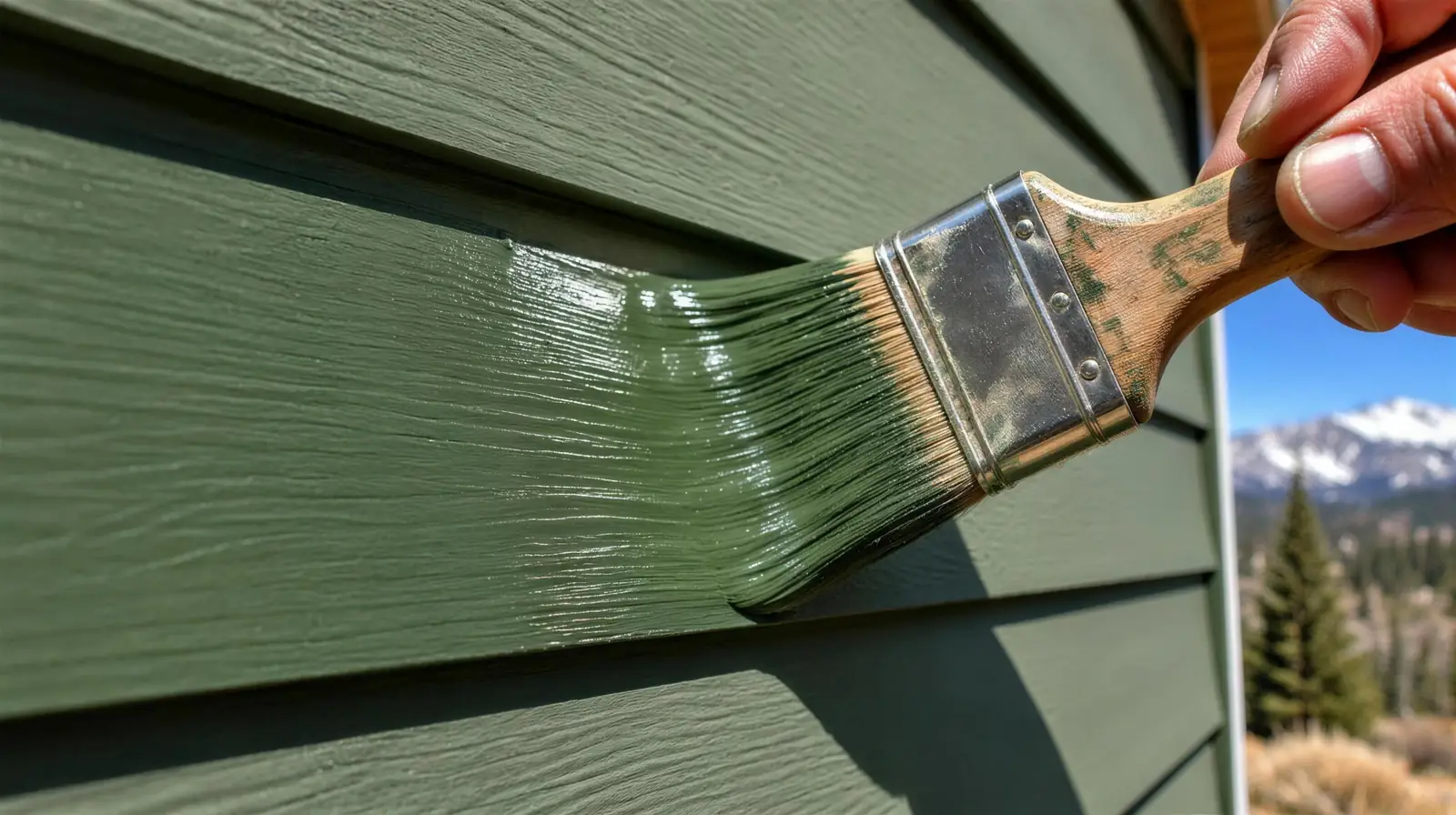
Wind affects a paint job before, during and after. Before: it works loose fascia, gutter hangers and trim nails, so we check those first. During: a gusty day is a poor day to spray, because overspray drifts onto cars, roofs and the house next door, and grit blows into wet paint. After: wind-driven dust scours the coating on exposed west faces. We keep a sprayer on the truck, but we brush and roll more in Boulder than in most Front Range towns.
Historic districts and landmark homes
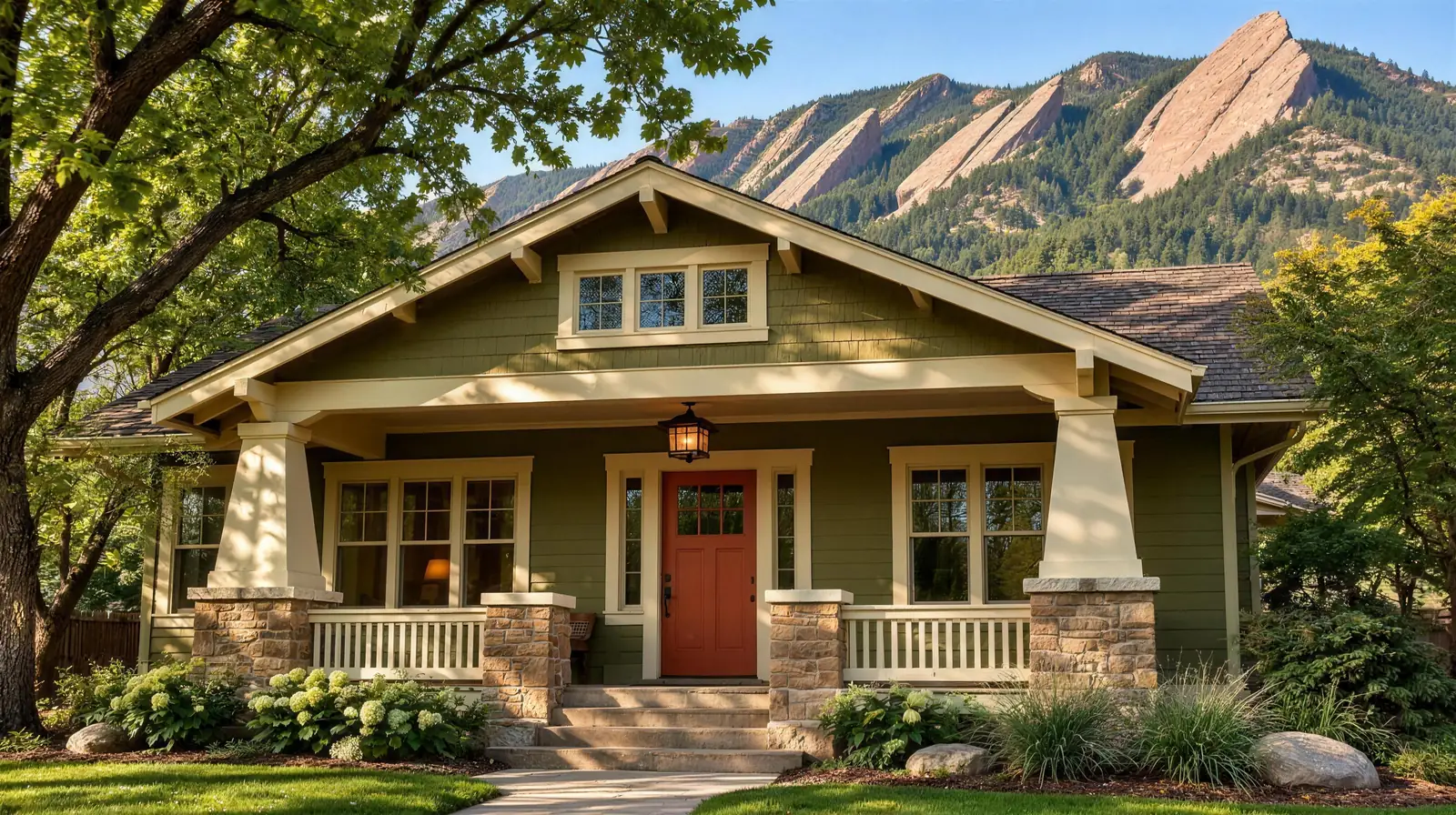
Boulder has a long-running historic preservation program, with designated districts such as Mapleton Hill and Chautauqua as well as individually landmarked buildings. Exterior changes to designated properties can require a Landmark Alteration Certificate from the city.
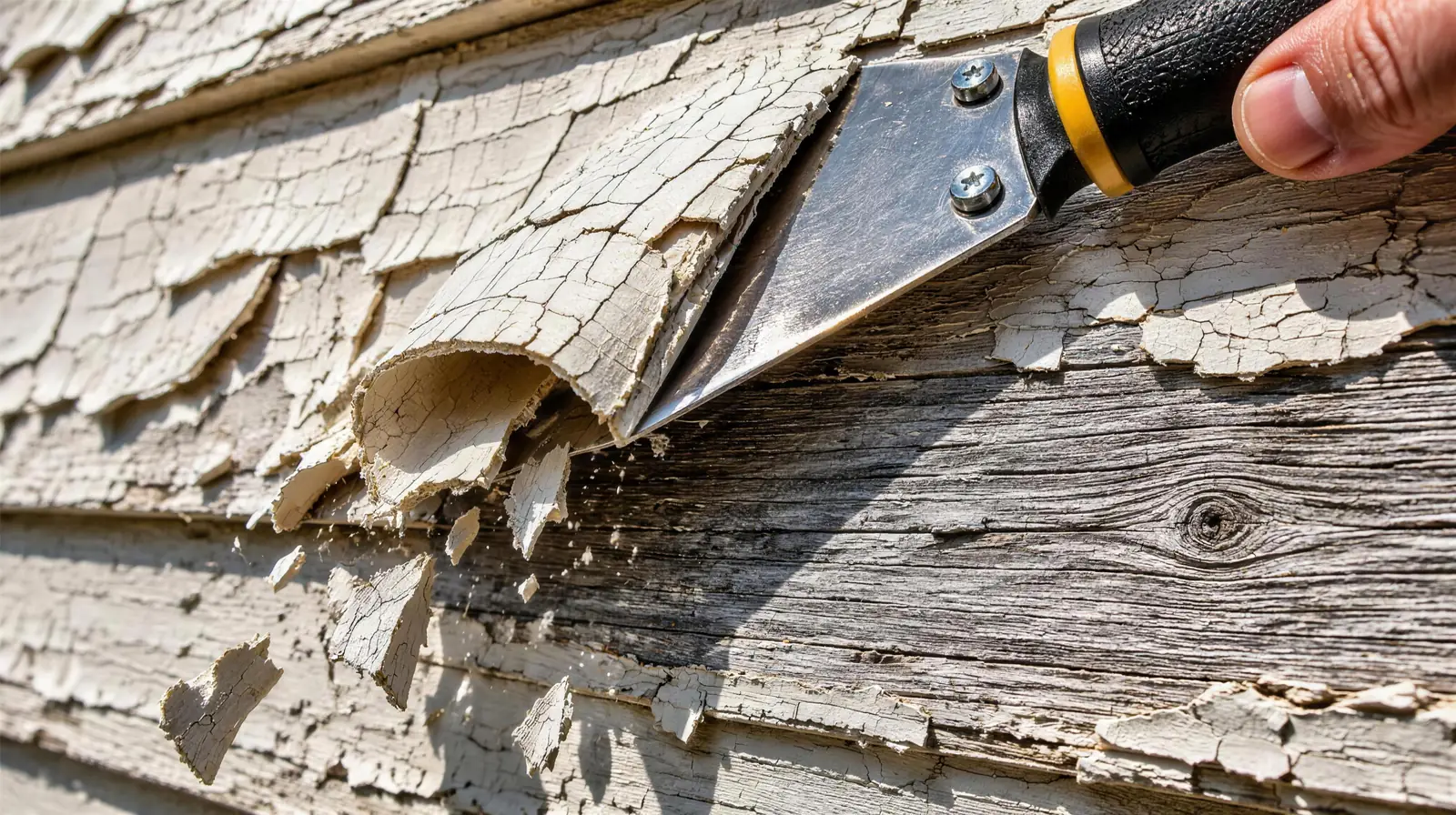
A repaint is often a lighter request than replacing siding, windows or porch parts, but we don't assume. If your house is landmarked or in a district, we ask you to check with the city's historic preservation staff before we finalize scope. What we can control is how we treat the house: we repair original wood instead of swapping it for new material, we hand-scrape and brush trim to keep old molding profiles crisp, and we follow lead-safe practice on anything built before 1978 under the EPA's Renovation, Repair and Painting rule. Our prep and repair page describes that work.
Postwar neighborhoods and painted-over stain
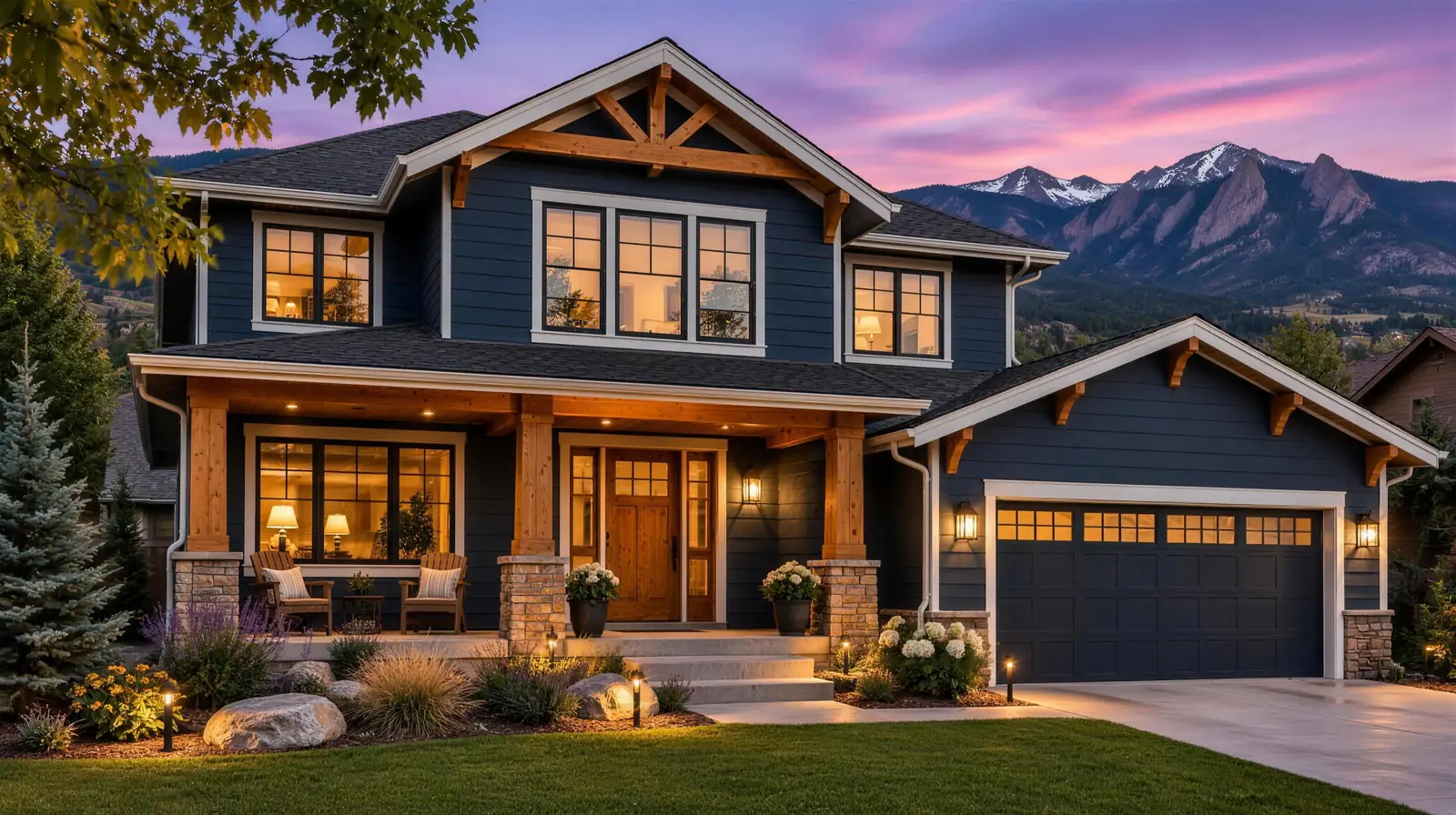
A big share of Boulder's houses are ranches, split-levels and contemporaries from the postwar decades through the 1980s, in neighborhoods like Martin Acres and Table Mesa. Many have cedar or redwood siding, some originally stained and later painted, plus wide fascia boards in full sun.
Paint over old stain is a common source of peeling. Paint needs a sound, clean surface to grip, and an old oil stain or sealer can keep it from bonding. We test-scrape a few spots; where adhesion is poor we strip or sand back to sound wood and prime with a product suited to it. Cedar also bleeds tannin through light colors unless it gets a stain-blocking primer.
Where a Boulder house fails first
| Spot | Why it goes early |
|---|---|
| West and south fascia | Afternoon sun at altitude plus direct wind exposure |
| Window sills and sashes | Snow sits, melts and refreezes, opening joints |
| Bottom courses of siding | Splash-back, snowpack and sprinkler spray |
| Front and garage doors | Dark colors in full sun, constant handling |
| Deck rails and stairs | Flat surfaces hold water and take full UV |
The painting season here usually runs from late spring into early fall. Cold nights in the shoulder months matter as much as daytime highs, because paint needs time above the minimum on its product data sheet to cure before dew or frost lands on it.
Before you call any painter
Have a rough idea of the year your house was built, whether it's landmarked or in a historic district, and what you want painted: body, trim, doors, gutters, deck. If you're also collecting bids for a property in Louisville or Superior, ask each painter how their approach changes close to the foothills. It should.
In the older central neighborhoods, think about access too. Narrow side yards and alleys often mean ladders and drop cloths end up on a neighbor's side of the fence, and mature trees and perennial beds sit right against the walls. A short conversation with the people next door before work starts saves friction. We tie back shrubs, cover beds and plan where equipment goes so the job doesn't take over the block, and on pre-1978 houses that ground protection doubles as lead containment.
Request an estimate for your Boulder home.