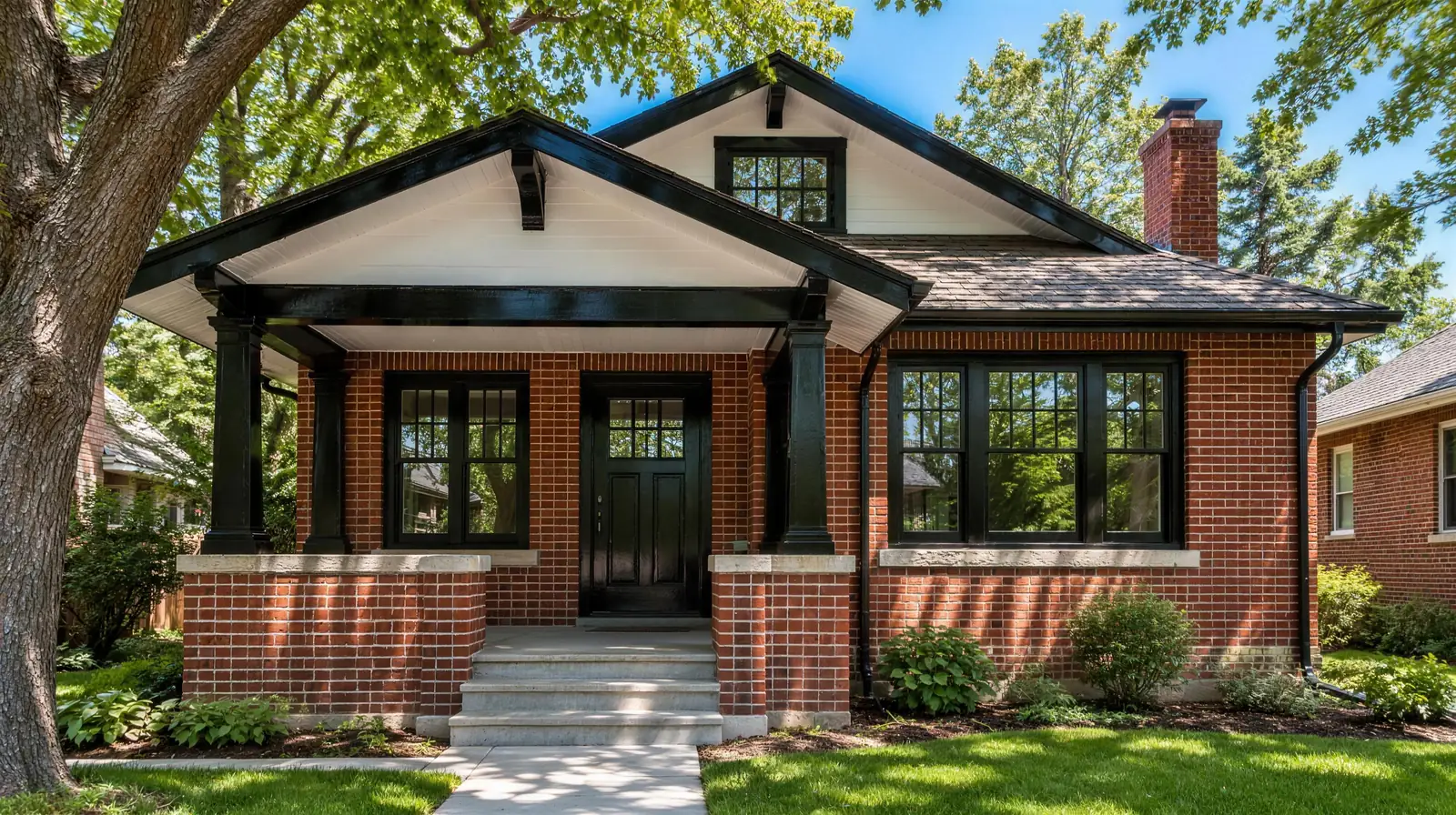
Loveland homes by era, and what each needs
Loveland grew outward from its railroad-era downtown, so the age of the housing generally drops as you move away from the center. That gives a rough map of what we expect to find.
| Era | Common exterior | What we watch for |
|---|---|---|
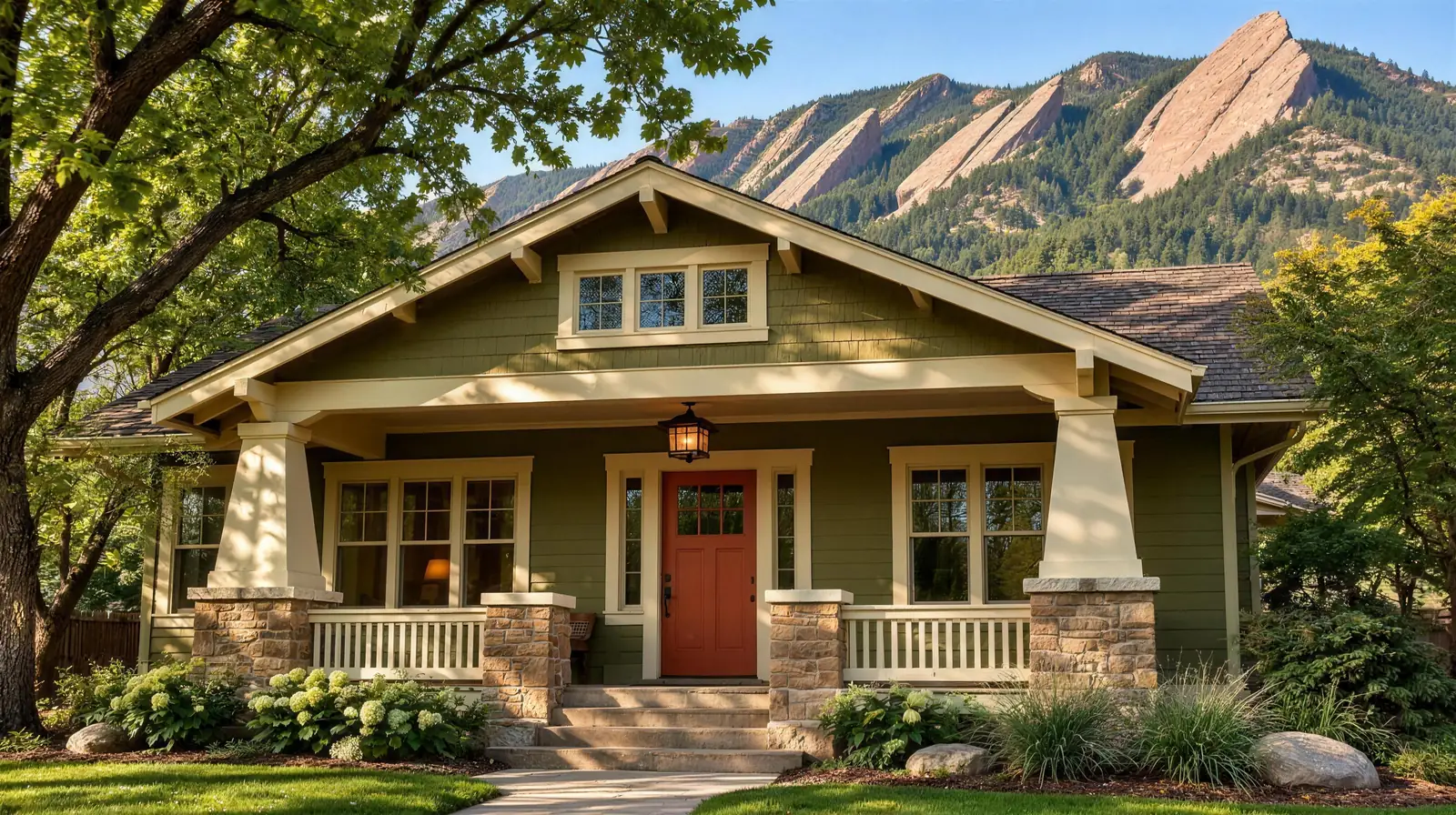
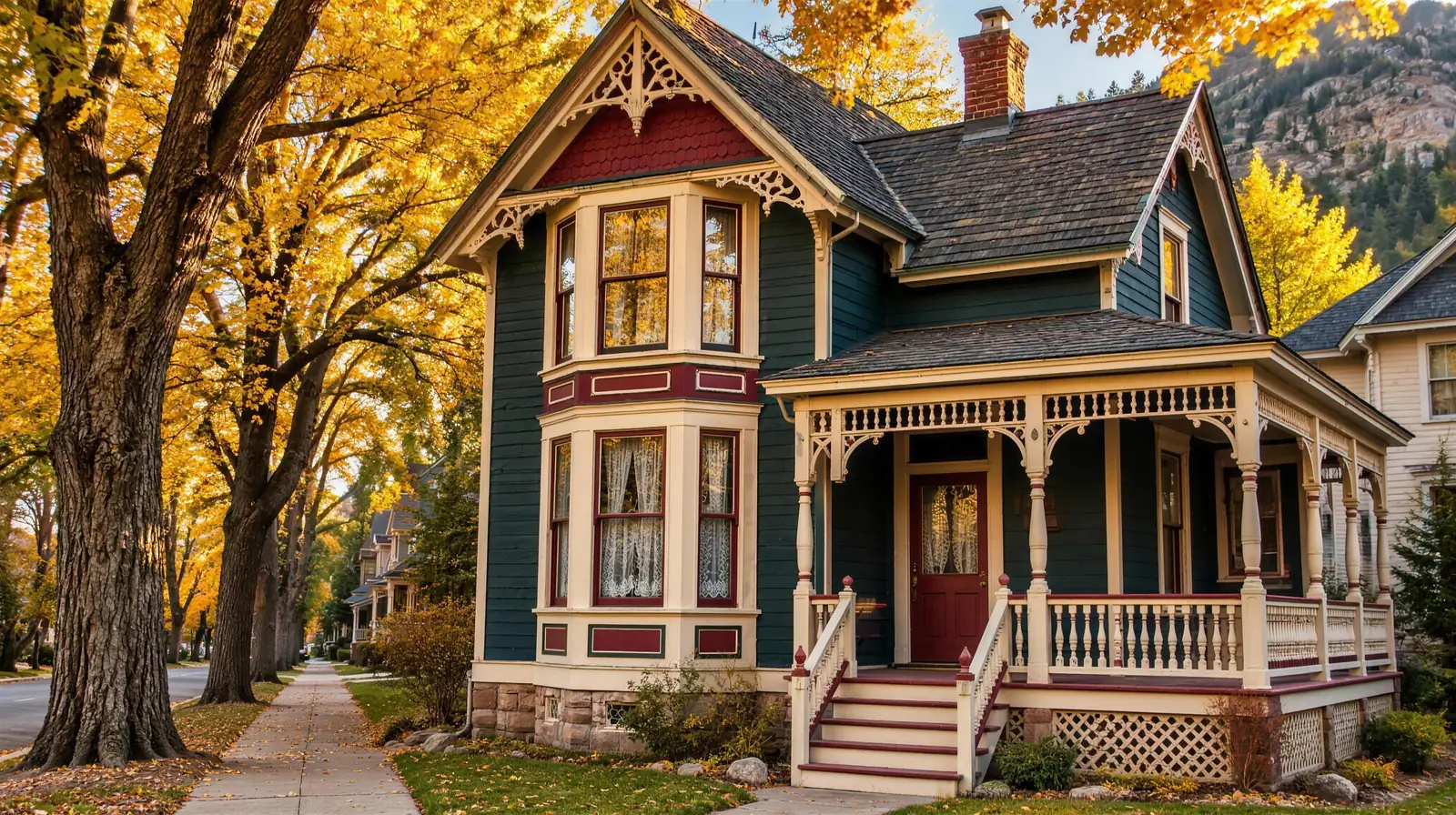
| Early 1900s near downtown | Brick, wood lap siding, porches, wood windows | Lead in old paint, rotted sills, painted versus unpainted brick |
| Postwar and mid-century | Ranches with brick fronts, wood or hardboard siding | Lead in older coats, failing putty, long south-facing walls |
| 1970s through 1990s | Hardboard or wood lap siding, some stucco | Swollen hardboard edges, many layers of caulk |
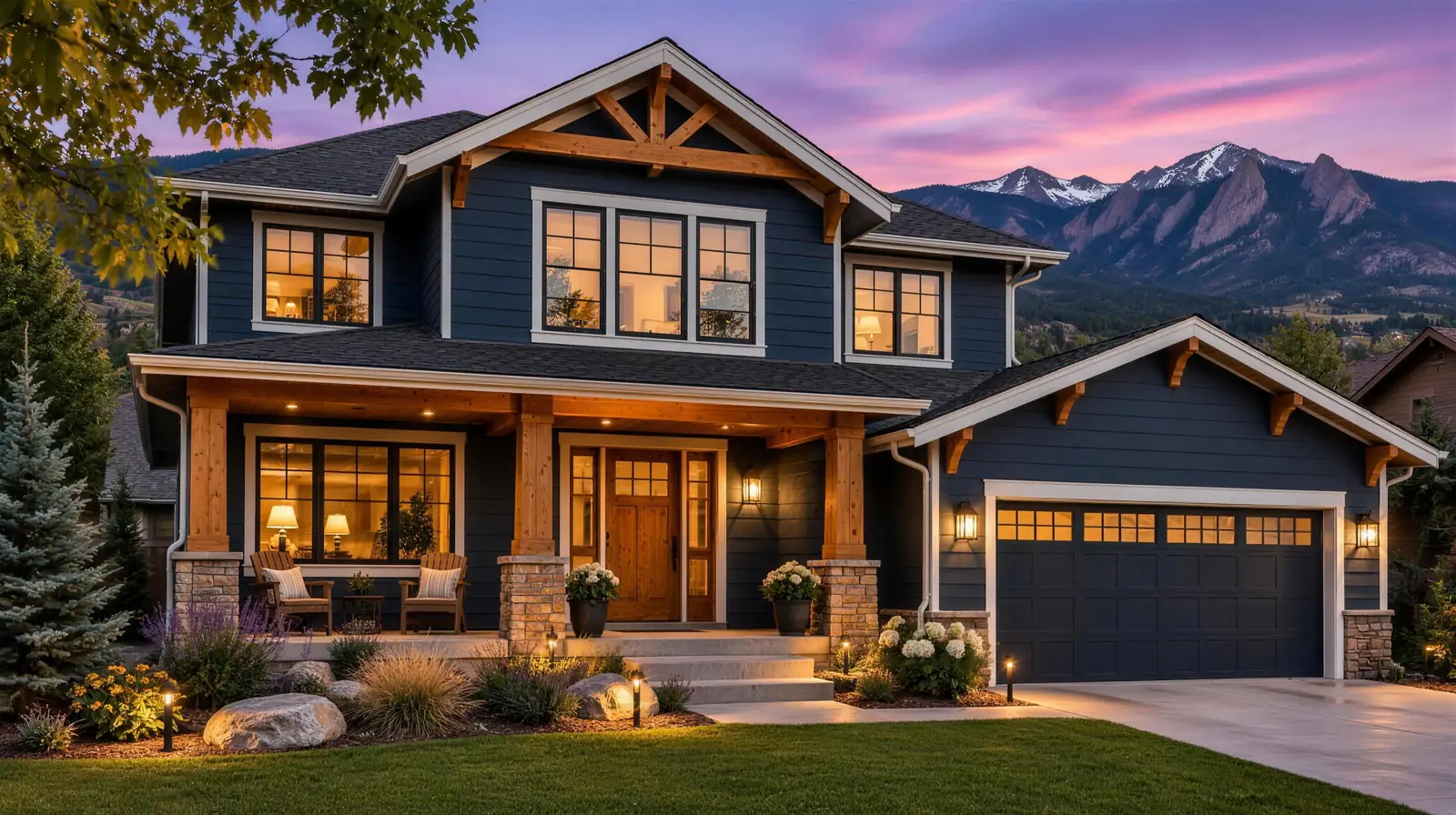
| 2000s to now, mostly east | Engineered wood, fiber cement, stucco and stone | Chalking builder paint, HOA color rules, hail on metal |
These are tendencies, not rules. Plenty of older homes have been re-sided, and we confirm what's actually on the walls during the walk-through.
Painted and unpainted brick
Brick is common on Loveland's older homes, either as the whole house or as a front wall on a ranch. Unpainted brick in good condition rarely needs paint. Once brick is painted, though, it stays a painted surface, and stripping it is slow and expensive. If you're thinking about painting brick for the first time, we'll talk through that trade-off honestly before quoting it.
Brick that's already painted needs the right coating. Masonry has to let moisture escape, so we use breathable masonry paints and avoid sealing it under a non-breathable film. Cracked or missing mortar should be repointed by a mason before paint goes on, because paint won't hold over joints that are moving or letting water in. Our stucco and masonry painting page covers coatings for brick, block and stucco.
Historic downtown homes
Loveland has a historic downtown, and some older properties in and around it are locally designated. If your house is a designated landmark or sits in a designated district, ask the city's historic preservation staff what review, if any, applies before you change colors or replace trim and windows. The city decides what needs review, not us, and it's better to know before ladders go up.
Older homes here also mean pre-1978 paint. We follow lead-safe work practices from the EPA's Renovation, Repair and Painting rule on those houses: ground covers, containment, wet scraping, no open-flame burning and careful daily cleanup. More on that in our exterior prep and repair page.
West side, east side
Homes on the west side, closer to the foothills, see more wind and sometimes more shade from mature trees. Trees help the paint on a south wall last longer, but north walls under heavy canopy stay damp and can grow mildew, which has to be cleaned and treated before painting. Newer east-side neighborhoods have the opposite problem: almost no shade, full sun on every elevation, and faster fading on dark colors.
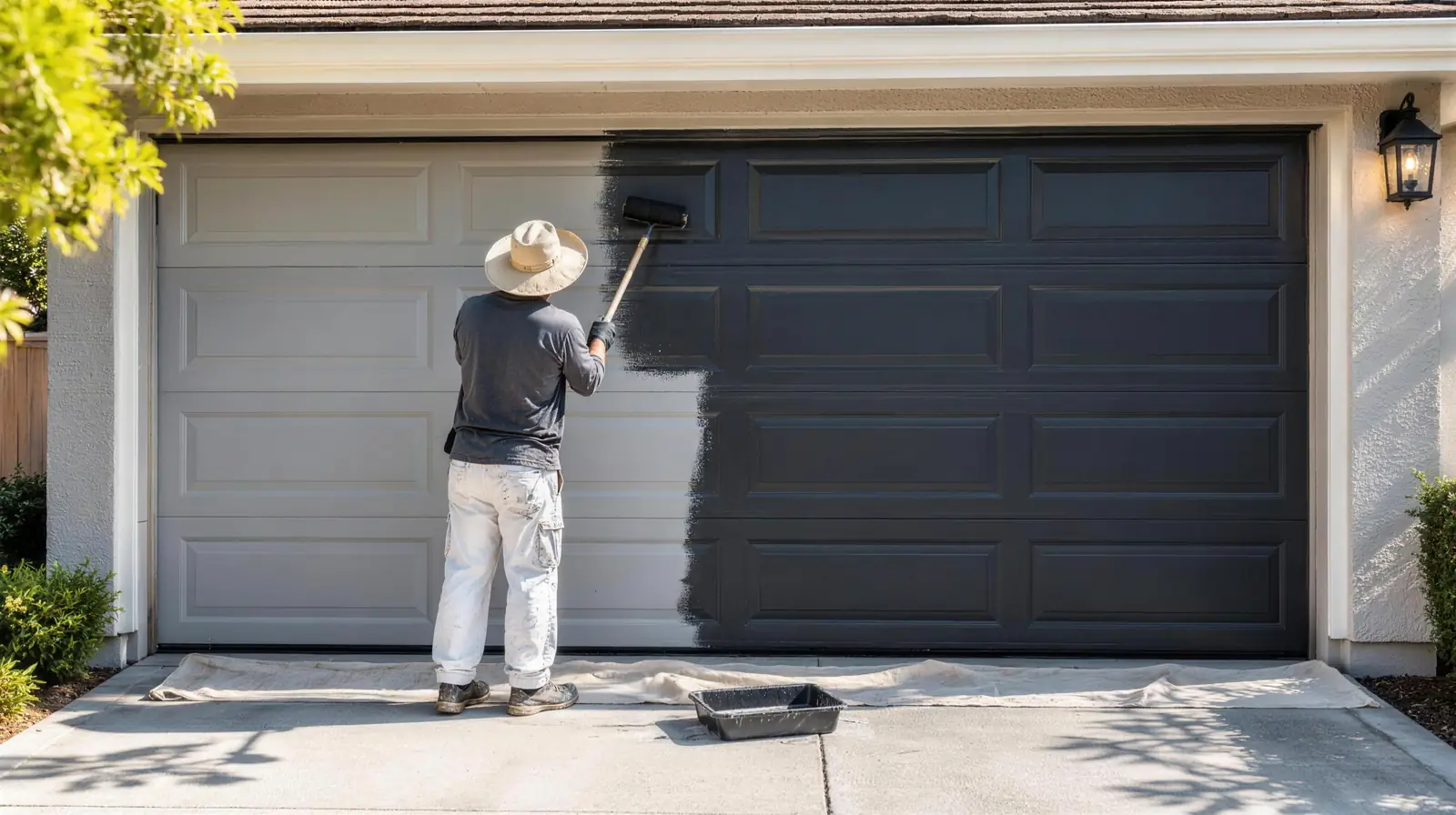
Hail is a regular summer event across Loveland. After a storm, look at gutters, garage doors and the windward siding before you schedule painting, and let roof and gutter work finish first.
Where we work around Loveland
One more note on the 1970s through 1990s neighborhoods, since so many Loveland homes date from those decades. Hardboard lap siding from that period holds paint well as long as water stays out of it. Once the bottom drip edge swells or the face cracks, the fibers soak up moisture like a sponge, and paint on those boards peels quickly. We seal sound edges and recommend replacing boards that have gone soft before we prime.
We paint homes across Loveland and the towns around it. If you live south of town, our Berthoud exterior painting page covers similar older homes and porches. Request an estimate and we'll look at the house, the materials and the timing with you.