You can paint a house in October in Colorado. Not every wall, though, and not every day. The date on the calendar matters far less than three things you can measure: how warm the surface gets, how close it sits to the dew point, and how cold the night is that follows. Get those right and an October coat forms a proper film. Get them wrong and the paint looks fine for a week, then streaks, cracks or lets go the next spring.
Work through this guide one wall at a time. On a cool fall day the four sides of a house behave like four different job sites.
Surface temperature decides it, not the date
Every exterior paint has a minimum application temperature printed on its product data sheet. Many acrylic house paints list something between 35 and 50 F, and the low-temperature versions sit at the bottom of that range. That number covers the air and the surface. Most makers also want the temperature to stay above it while the paint dries, which is why the overnight low matters as much as the afternoon high.
A phone app's air temperature tells you little about a wall. A south-facing wall in full sun can run well above the air temperature by early afternoon. A north wall in shade can stay below it all day. Siding that sits in the shadow of a neighbor's house or a big spruce may never warm up at all in October.
How each side of the house behaves on a cool October day
Orientation is the first filter. The table below is the general pattern we plan around on the Front Range. Trees, neighbors and overhangs change it house by house.
| Wall | When it warms | Main October risk | How we schedule it |
|---|---|---|---|
| East | Early, then cools by midday | Morning dew still on the surface | Start once the dew is fully gone, finish before the sun leaves it |
| South | Late morning through mid-afternoon | Fewest; this is the best October wall | Paint in the middle of the day |
| West | Afternoon | Fast drop in temperature at sunset, then evening dew | Paint early afternoon so the film sets before evening |
| North | Often not at all | Surface stays below the minimum or near the dew point | Paint on the warmest days only, or hold it for spring |
If/then: should this wall get paint this week?
Run each elevation through these questions. If any answer comes back "no," that wall waits.
If this, then that
- If the surface will be above the data sheet minimum for the whole working window, and the forecast low stays above it overnight, then paint that wall.
- If the afternoon is warm but the overnight low drops below the minimum, then paint only the walls that will be dry well before sunset, and check the data sheet for how long the film needs above the minimum.
- If dew is still on the wall at mid-morning, then wait. Paint over a damp surface does not bond properly, and data sheets commonly require the surface to be at least 5 F above the dew point.
- If rain, snow or an upslope storm is forecast within the drying window on the label, then skip the day.
- If the wall needs scraping, wood repair and priming before topcoat, then count the days honestly. Primer and caulk carry their own minimums, and a three-step wall needs three good days.
Fall siding work often needs more than one trip to the same wall. Our siding painting work on older lap siding usually includes spot priming bare wood before topcoat, and each of those steps needs its own good weather.
Elevation and latitude shift the answer
The Front Range is not one climate. Elevation and latitude both change how long October holds up.
Higher ground on the Palmer Divide
The ridge between Denver and Colorado Springs runs higher than either city, and it tends to get colder nights and more early-season snow. For homes on that ridge, such as exterior painting in Monument, we treat the fall window as shorter and plan the north and shaded walls for September or the following spring. The south and west walls can still be good candidates on warm, dry days.
Northern Colorado
Cold fronts that slide south across the plains often reach Larimer and Weld counties before the Denver metro. For exterior painting in Fort Collins, we read the forecast for the town itself from the National Weather Service Boulder office, not a Denver forecast. A day that looks fine for Denver can turn cold in Fort Collins by mid-afternoon.
For average first-freeze dates by location, Colorado State University's Colorado Climate Center publishes long-term records. They are averages; any given October can run warm for weeks or snow in the first week.
What can wait for spring and what cannot
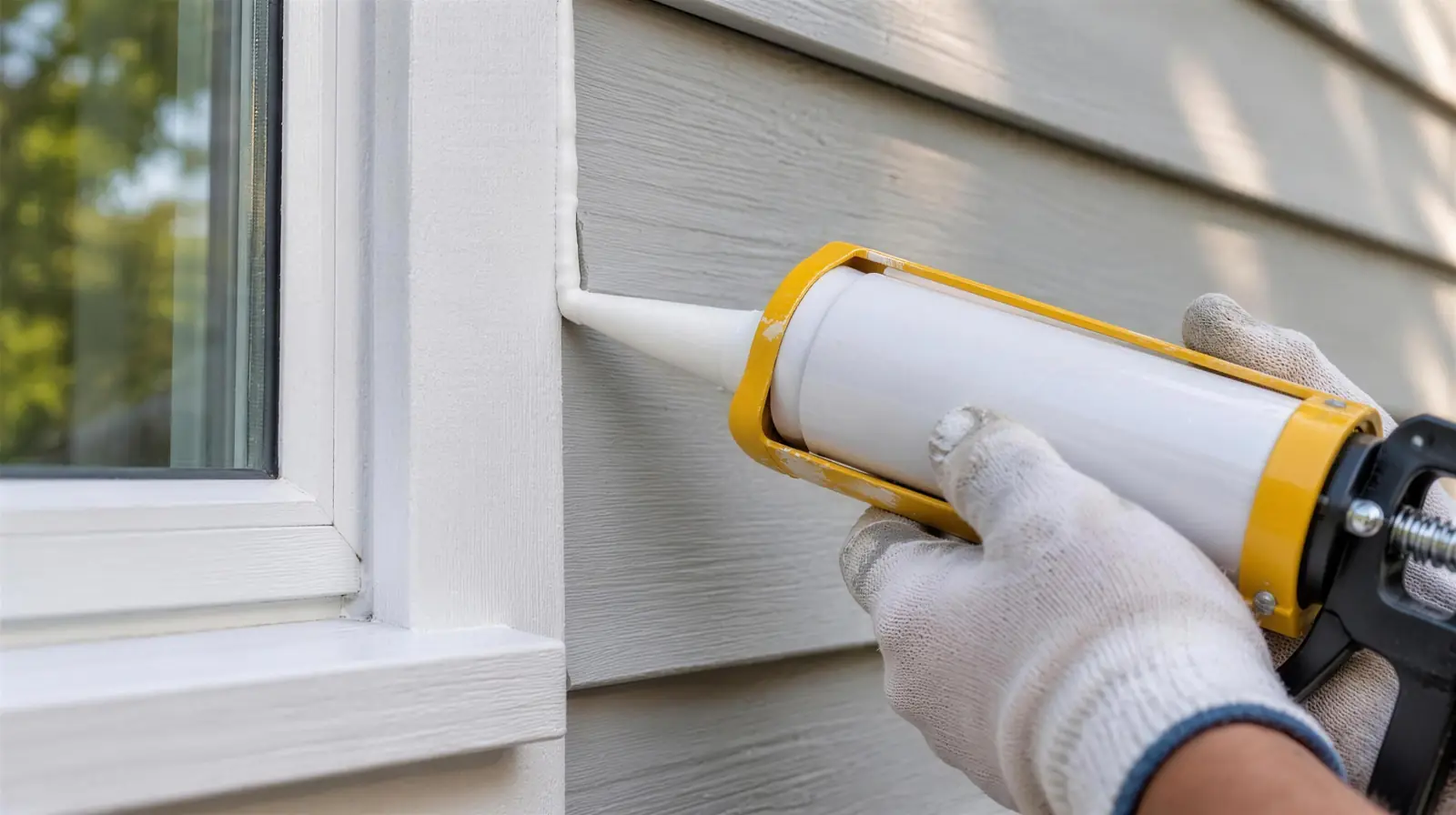
If the calendar runs out, some things still need attention before winter. Bare wood should not sit exposed through freeze-thaw cycles. Spot-priming bare spots on a warm afternoon, then topcoating in spring, protects the wood far better than leaving it open. Failed caulk at windows and trim joints lets water in, and water that freezes in a joint opens it wider.
Full color changes, whole-house repaints that are not yet started, and north elevations with heavy prep are usually better scheduled for spring. Starting a whole house in late October is a bet on several good weeks in a row, and many years that bet loses.
The decision we steer people toward is simple: if the prep is light and the walls get sun, October works. If the job is large or the house is shaded, use October for the estimate, the color decision and any urgent repairs, and book the painting for spring.
Request an estimate and we will walk each side of your house with you and say plainly which walls can be painted this fall and which should wait.