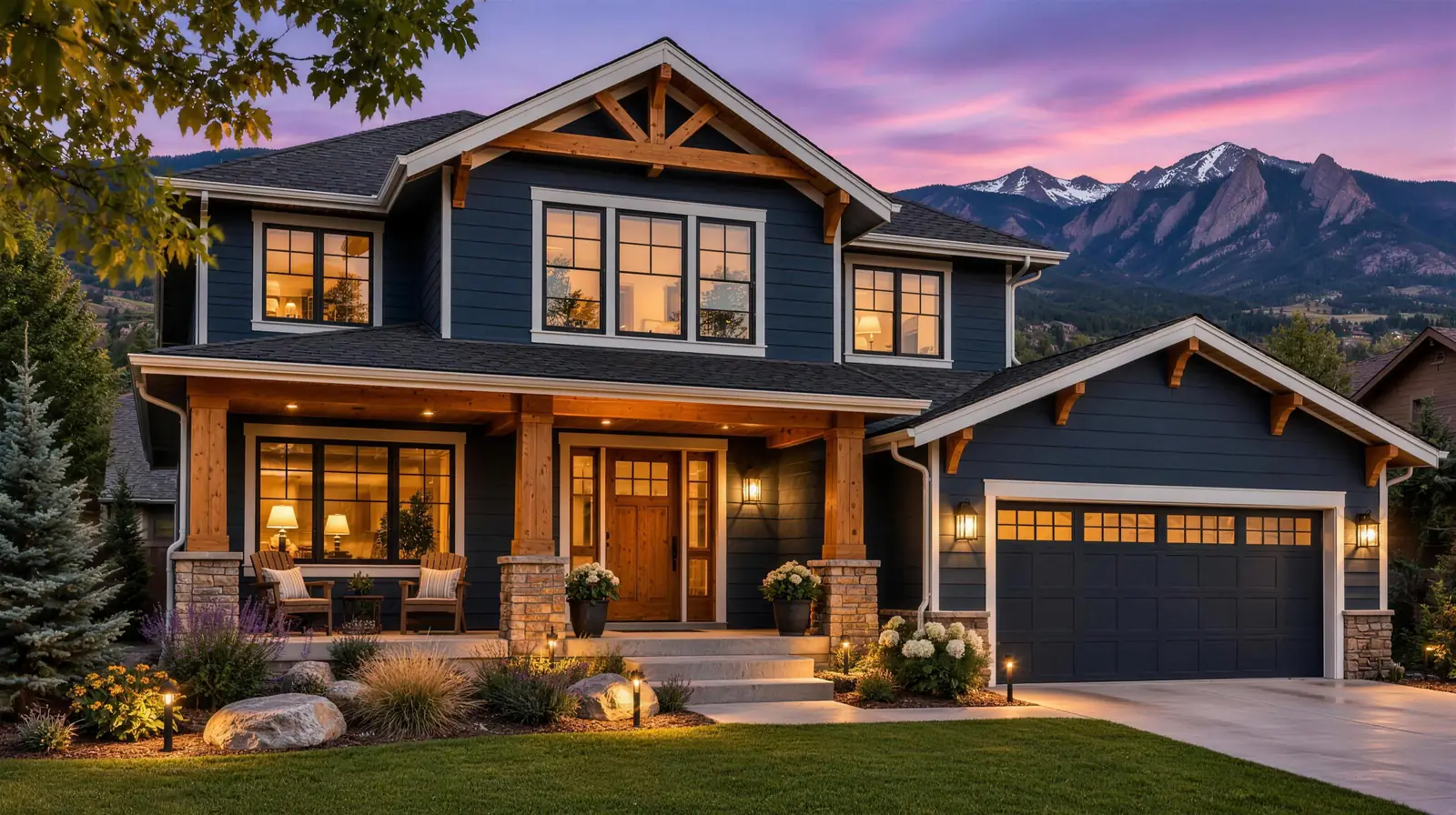
Most of what people believe about exterior paint colors in Colorado sun is half right. Dark colors do take more punishment up here. But the reasons are more specific than "dark fades," and a few of the common beliefs push owners toward the wrong color for the wrong wall, or rule out colors that would hold up fine.
November is when many Front Range owners start choosing colors for a spring repaint, which leaves a winter to sort myth from physics. Here are the common ones.
Myths about sun and fading
Myth: sun is sun, so altitude changes nothing
Ultraviolet exposure increases with elevation, because there is less atmosphere overhead to filter it. Denver sits about a mile up, much of the Front Range is at that height or above, and clear days are common. UV breaks down paint binder and pigment, so the same paint tends to chalk and fade sooner here than at sea level. We treat it as a planning factor on every exterior painting project in Denver and along the I-25 corridor. For a daily figure, the EPA and the National Weather Service publish a UV Index forecast by location.
South and west walls get the longest, most direct exposure and show color loss and chalking years before the north side. Judge any sample color there first.
Myth: dark colors fade because they get hot
Heat and fading are separate problems. Fading comes mostly from UV breaking down pigment and binder. Heat is different: darker colors absorb more sunlight and run hotter, which matters for the siding underneath (more on that below).
Dark colors do look like they fade faster, and part of that is visibility. As exterior paint weathers, the surface of the film slowly breaks down into a fine powder called chalk. Chalk on a white house is almost invisible. On a navy or charcoal wall it shows as a pale, dusty haze you can wipe off on your hand. The color under it may have shifted less than it appears.
Myth: all colors fade at about the same rate
Pigment chemistry matters more than how dark a color is. Inorganic pigments such as iron oxides, the source of many earthy reds, tans and browns, are generally very lightfast. Some bright organic reds and yellows are less stable in strong sun, so a saturated red front door or a bright yellow body color can shift on a sunny elevation while a muted mid-tone built mostly on oxides holds steady.
You can't read a pigment list off a chip, but a paint store can tell you which colorants go into a formula, and some paint makers flag colors they don't recommend for full-sun exterior use.
Myths about color and siding
Myth: any color works on any siding
Not on vinyl. Vinyl softens and can warp or buckle when it gets too hot, and painting it darker than its original color raises its surface temperature in sun. Many vinyl siding makers restrict paint to colors no darker than the original, or call for a paint labeled vinyl-safe, which is formulated to stay within the siding's heat limits. Read the siding maker's painting guidance before you pick anything.
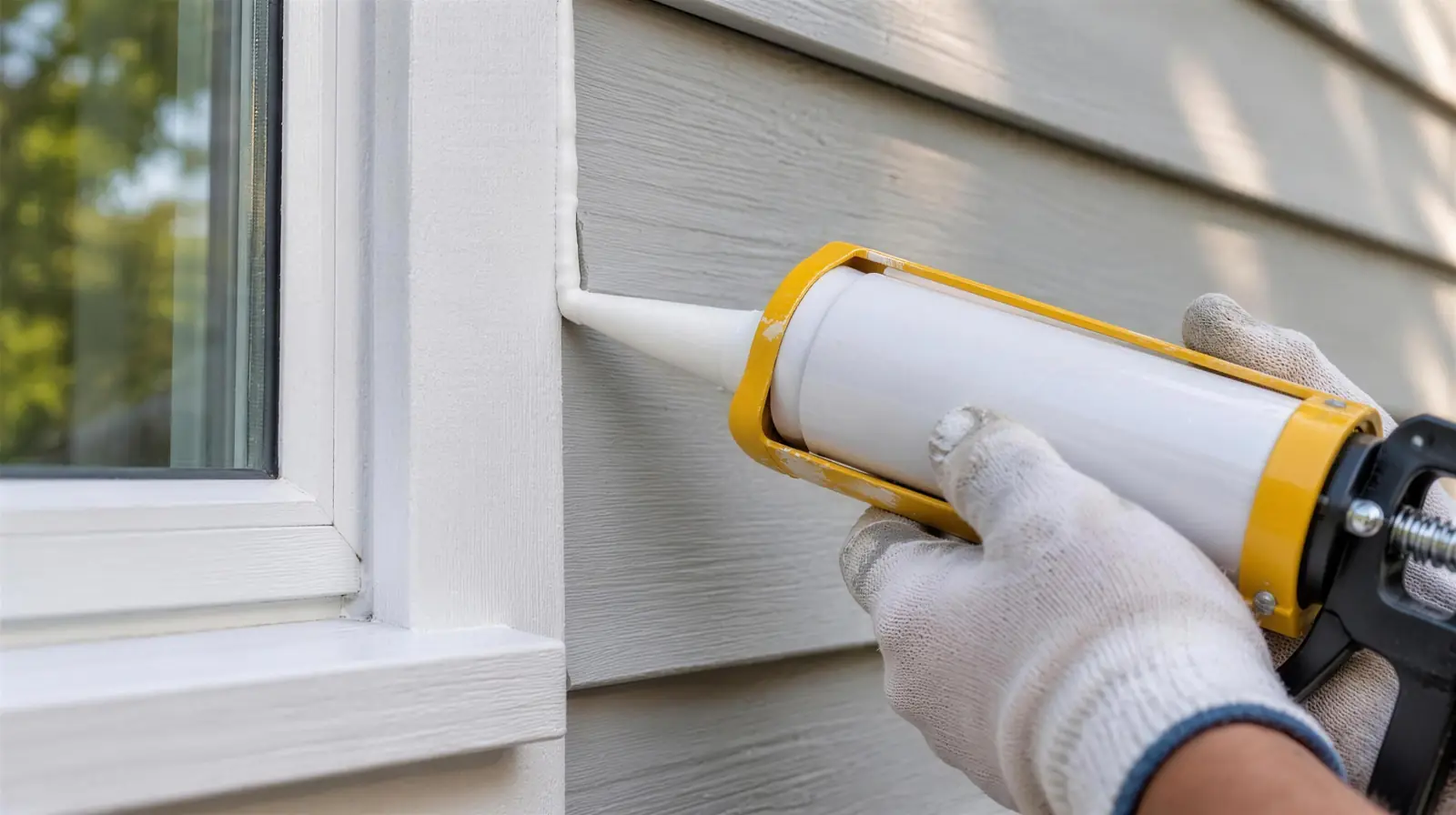
Wood, fiber cement and engineered wood accept a much wider range of colors, though dark colors still run hotter. On wood that means more heat cycling, more seasonal movement and more stress on joints and caulk. For a specific product, the paint maker's product data sheet and the siding maker's finishing instructions are where any color or temperature limits will be listed. Our siding painting page covers how we approach each siding type.
| Factor | Light colors | Mid-tones | Dark colors |
|---|---|---|---|
| Heat on the wall in direct sun | Lowest | Moderate | Highest |
| How visible chalk and fading are | Hard to see | Noticeable over time | Easy to see, most of all on south and west walls |
| Vinyl siding | Usually within the siding maker's limits | Check the siding maker's guidance | Often restricted, or vinyl-safe paint required |
| Wood, fiber cement, engineered wood | Few limits | Few limits | Workable; check product guidance |
| Touch-ups blending in years later | Easier | Moderate | Harder |
Myth: stucco can take any color without a second thought
Stucco is a big, flat field of color, so uneven fading between a sunny wall and a shaded one is easier to spot than on lap siding, where shadow lines break up the surface. Stucco also needs a coating suited to the wall, usually a breathable masonry paint or an elastomeric chosen for the wall's condition, and color ranges can differ between those product lines. Pick the coating first and the color second. Our stucco painting page explains how we match coatings to the wall.
Myth: the chip shows you the color you'll get
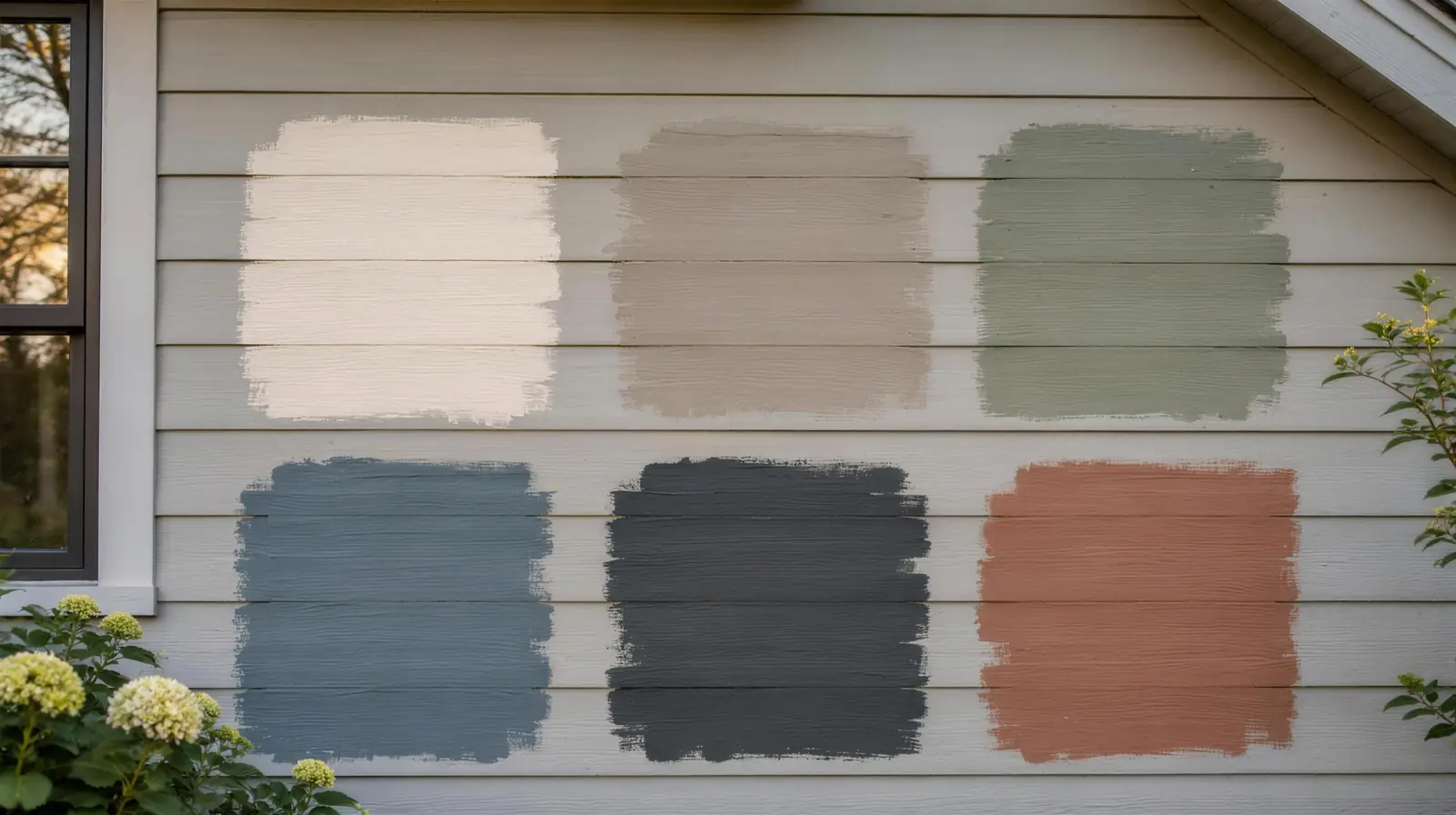
A two-inch chip under kitchen lights tells you little about a full wall in high-altitude sun. Colors generally read lighter and stronger outdoors and across large areas, and undertones show up: a "neutral" greige can lean green or pink on a sunny wall.
Light Reflectance Value helps here. LRV, printed on many color cards and fan decks, rates how much visible light a color reflects on a scale from 0 (black) to 100 (pure white). It's a quick way to compare how dark two colors really are when your eye can't tell, and to keep body and trim far enough apart to read as two colors from the street. It is not a fade rating, and there's no universal cutoff for "too dark" at altitude.
In cold months, brushing samples onto the house runs into the same temperature minimums as the full job. Paint large sample boards indoors and hold them against each wall in daylight.
If this, then that
- If you have vinyl siding, then start with the siding maker's color rules and choose from vinyl-safe colors before anything else.
- If you want a dark body color, then expect visible chalk on the sunny walls over time and plan to wash and inspect them more often.
- If you love a saturated red, yellow or orange, then ask the paint store about the colorants and the maker's exterior guidance for that color.
- If you're stuck between two shades, then look at large samples on the south wall and the north wall, morning and late afternoon.
The bottom line
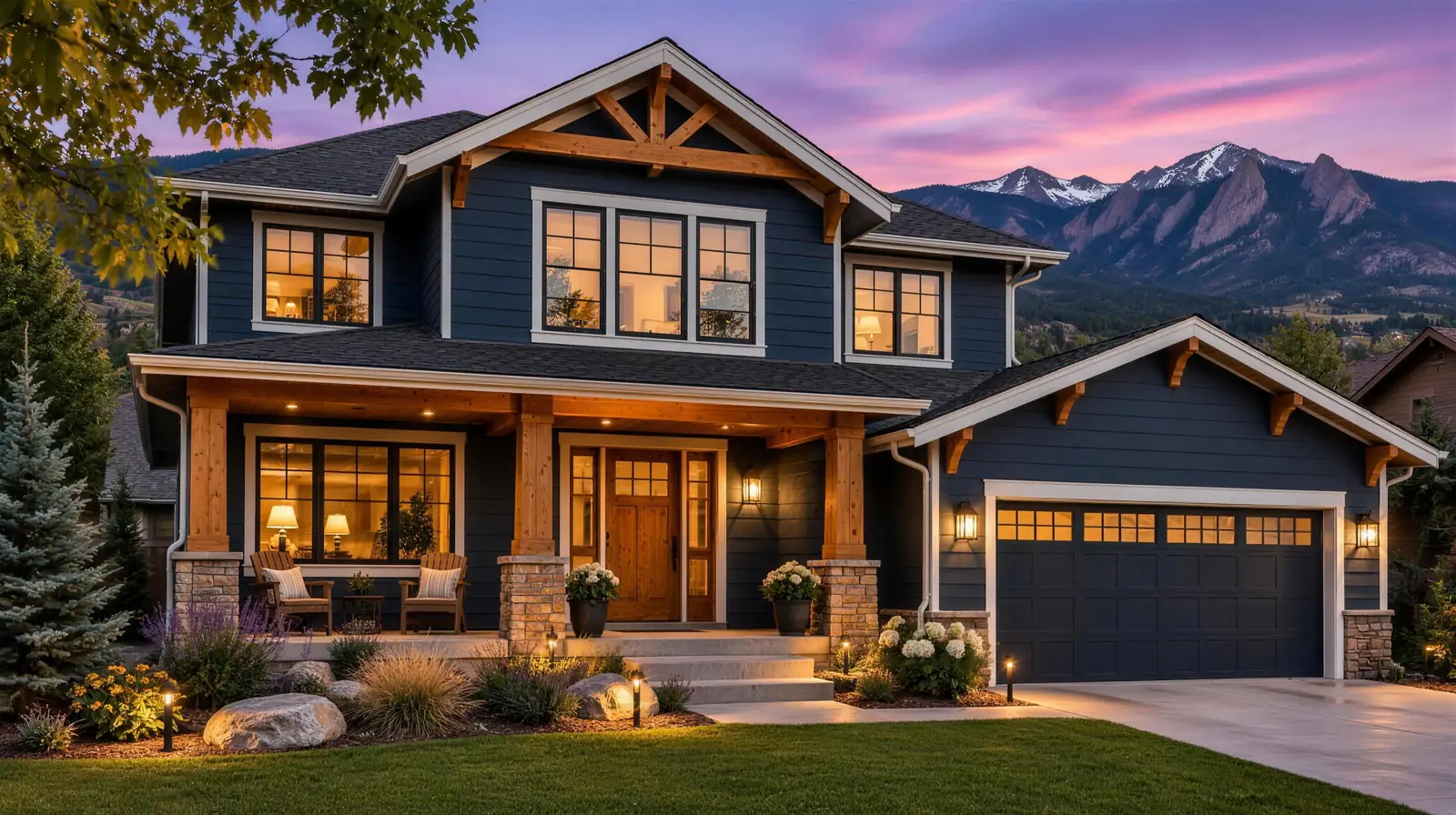
At Front Range altitude, color is a performance choice as well as a taste choice. Dark colors work on most siding, but they show weathering sooner, run hotter and may not be allowed on vinyl at all. Mid-tones built on stable pigments are the lowest-maintenance option for walls that face the afternoon sun.
Request an estimate and we'll look at your siding, sun exposure and color options on site before you commit to a palette.