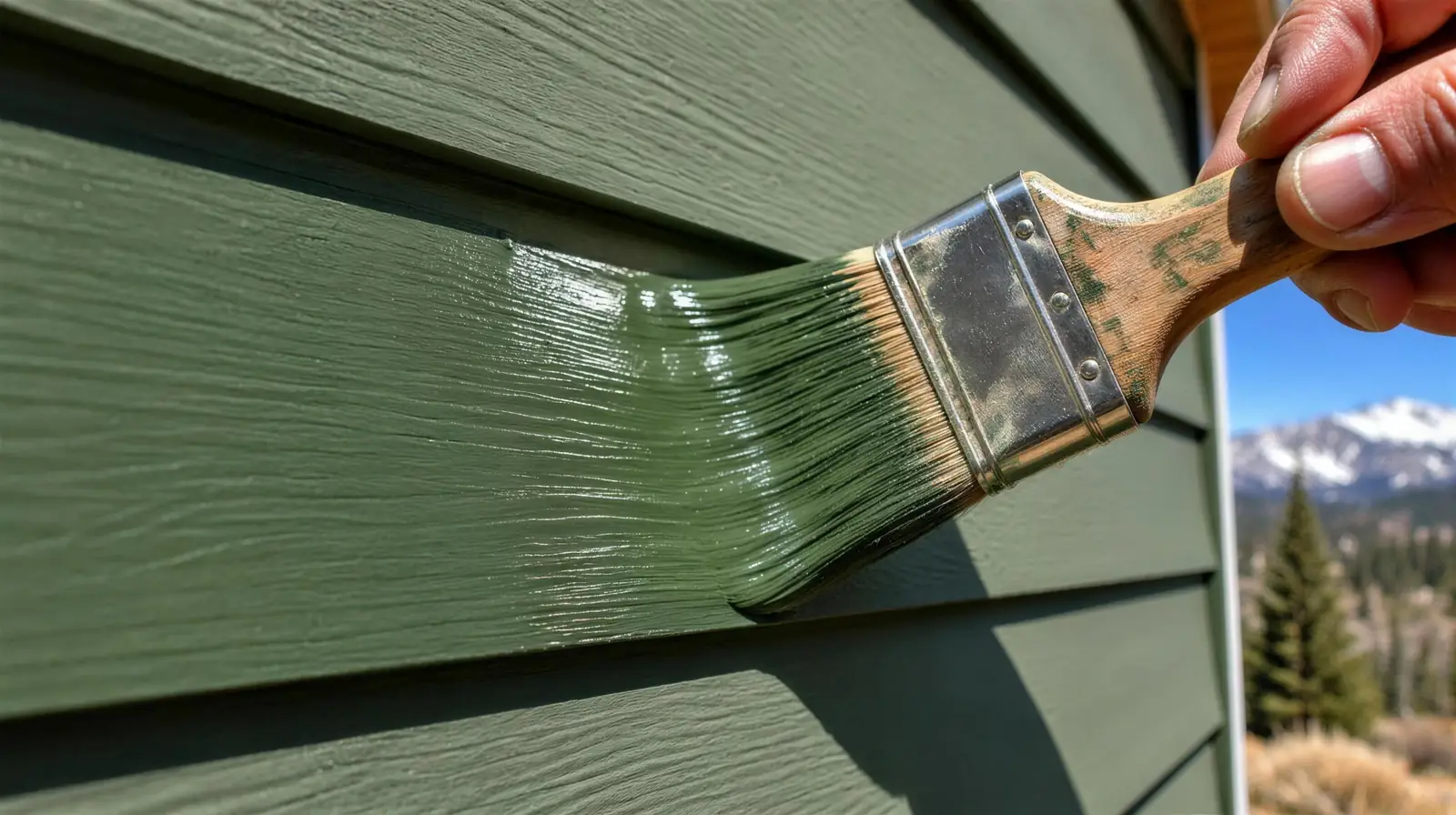
Hardboard siding: paint it, patch it, or pull it
Hardboard lap siding was a common choice in tract construction of that era, and plenty of it is still on Westminster homes. It paints well while it's intact. Once water gets into the fiber, usually at the bottom edge of a board, at butt joints or around nail heads, the board swells, softens and starts to flare. Paint over a swollen edge looks fine for a season and then flakes off with the fibers attached.
So before we write a number down, we probe the bottom courses, the boards behind downspouts and any siding within reach of a sprinkler head.
If this, then that
- If the board is firm and only the paint is failing, then we scrape, spot-prime and seal the bottom edges we can reach.
- If swelling is limited to a handful of boards, then we replace those boards and prime every cut edge before painting.
- If whole walls are soft or swollen, then paint is not the fix, and we'll tell you siding replacement should come first.
- If the siding turns out to be fiber cement or engineered wood, then the focus moves to caulk joints and nail pops, and repair is usually minor.
How each siding type takes paint is covered on our siding painting page.
Older south Westminster and the newer north
The neighborhoods in the southern part of the city, closer to Denver, include homes from the 1950s and 1960s: brick ranches, painted wood trim and some aluminum siding. Those houses predate 1978, so any scraping or sanding of old paint follows lead-safe practices from the EPA's Renovation, Repair and Painting rule.
Those older houses also carry the deepest stack of paint on window trim and porch posts. If that stack is cracking in a grid pattern, called alligatoring, scraping alone won't stop it from spreading. The failing areas have to come down to a sound layer before primer goes on, which takes longer and is worth knowing about before you compare estimates.
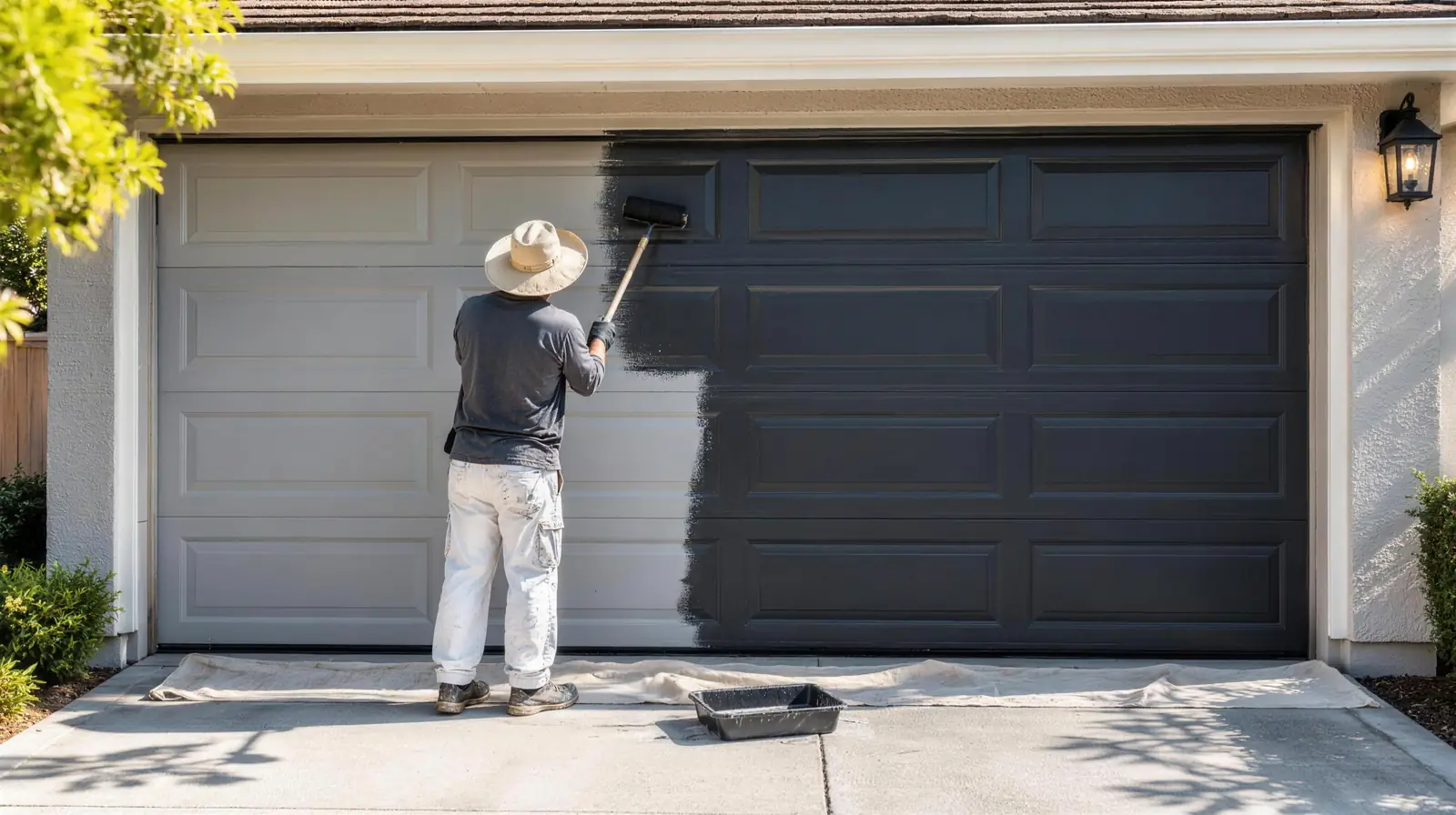
Head north toward Standley Lake and the Broomfield line and the housing gets younger and more uniform, with more townhome communities and more neighborhoods under HOA covenants. Failures there are quieter: a faded body color on the sunny sides, cracked caulk around window trim, and front doors and garage doors bleached by afternoon sun. Those homes rarely need heavy carpentry, but they do need the caulk work done properly, because that's where water gets behind the siding.
Getting an HOA color approval through the first time
Many Westminster HOAs require architectural approval before an exterior color change, and some want notice even for a repaint in the existing colors. The rules belong to your association, so we start by asking for your design guidelines and any approved palette.
- Get the current guidelines and submittal form from your management company.
- List which color goes on body, trim, accent and doors, since many forms ask for each.
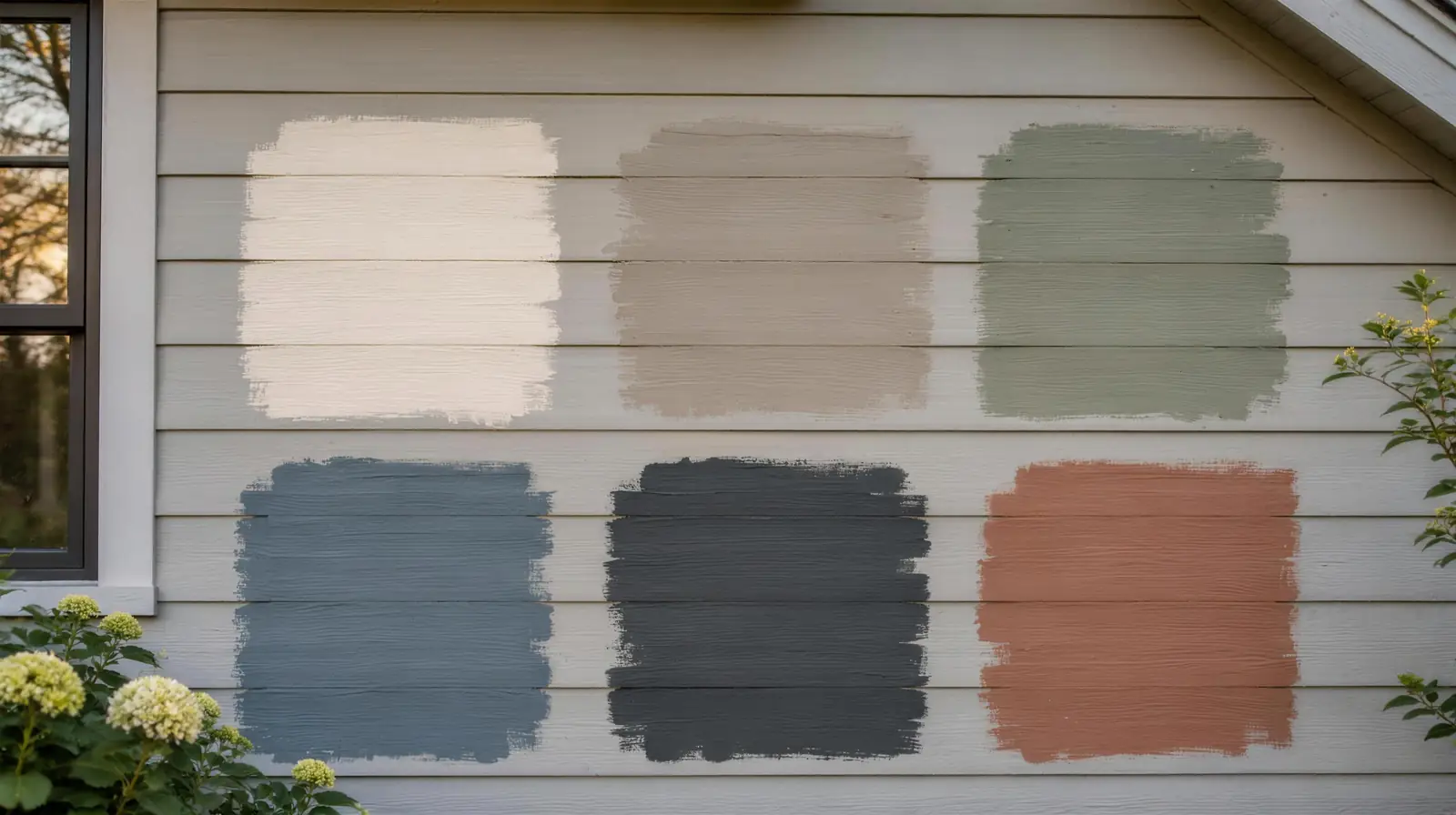
- Brush sample patches on the house so the committee can judge them in real light.
- Ask whether the approval expires, and schedule paint inside that window.
- For townhomes, confirm whether the association or the owner is responsible for each wall and trim piece.
Our HOA and townhome painting page covers whole-building and multi-unit work.
Hail, spring wind and the summer schedule
Like the rest of the north metro, Westminster sees hail most summers, and a hard storm can chip trim paint, dent gutters and pock soft siding in one afternoon. If a recent storm led to an insurance claim, have the adjuster's report in hand before you ask for estimates so the paint scope lines up with what was approved.
Wind is the other scheduling factor. Gusty days are common in spring, and we don't spray in them: overspray drifts onto cars and the townhome next door, and wet paint picks up dust. On those days the crew brushes and rolls trim or moves to the sheltered side of the house. July and August bring afternoon storms, so coats on exposed walls go on in the morning.
Housing just northwest along US 36 is covered on our Broomfield page. When you're ready for someone to look at your siding, request an estimate.