Hardboard from the building boom
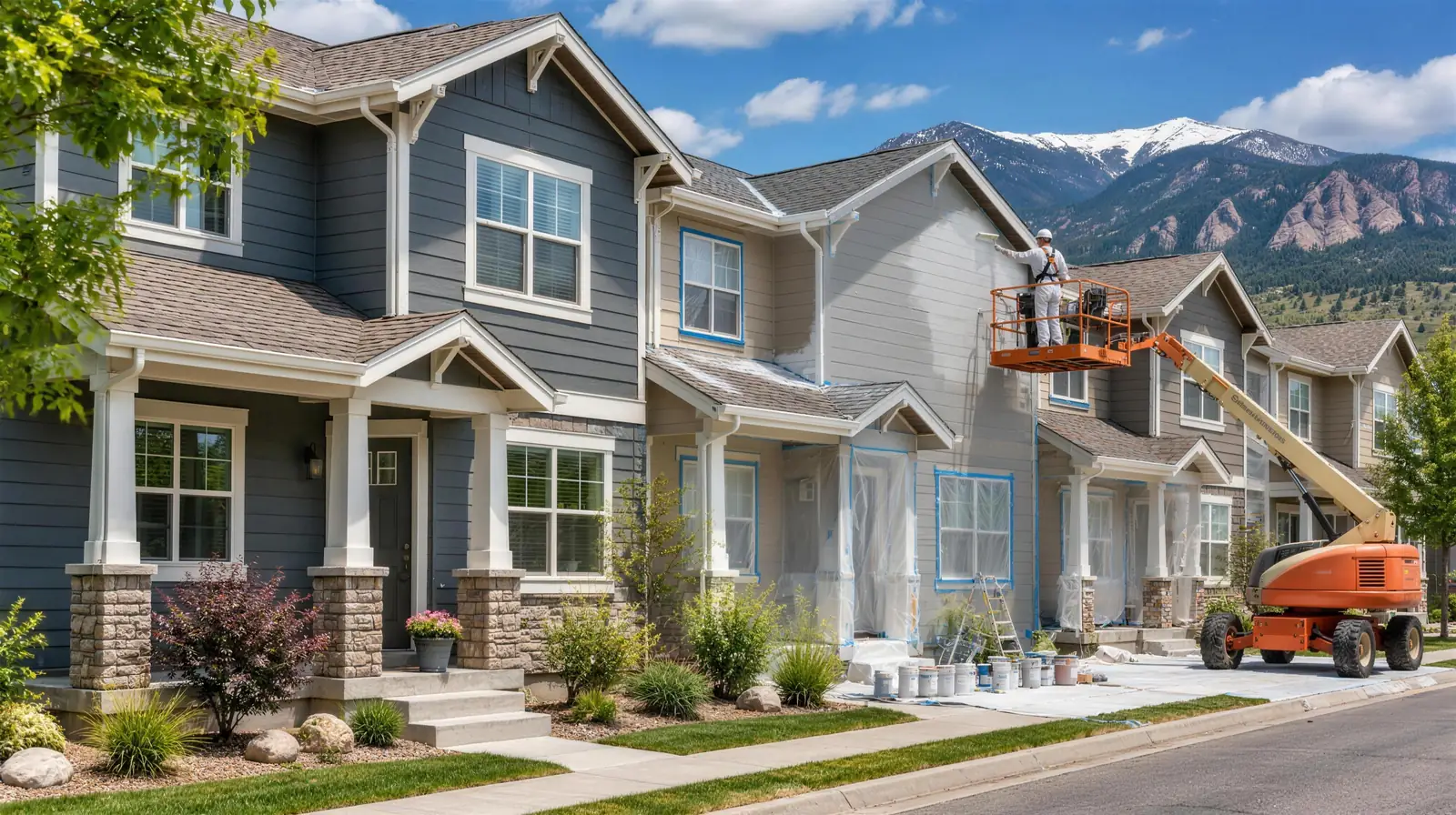
Parker grew from a small town into a large suburb in a few decades, and a lot of the homes from that growth were sided with pressed hardboard lap. Hardboard holds paint well while it stays dry. Once water gets into a bottom edge, a butt joint or a nail hole, the board swells, the face flakes off, and paint stops sticking. On many Parker houses, the paint job is really a siding repair job with paint at the end.
If this, then that
- If a handful of boards are swollen at the bottom edge and the rest are firm, then we replace those boards, seal every exposed edge, prime and paint.
- If swelling shows up on every wall, mostly near grade and under windows, then repainting buys limited time, and it's worth pricing partial or full re-siding before paying for paint.
- If the boards are firm but the paint is chalky and faded, then a thorough wash, recaulking and two coats is the right scope.
- If sprinklers hit the siding every morning, then adjust the heads first, or the bottom row will fail again.
We probe the boards during the estimate and show you what we find. Our siding painting page covers hardboard, fiber cement and engineered wood in more detail.
Open ground and afternoon storms
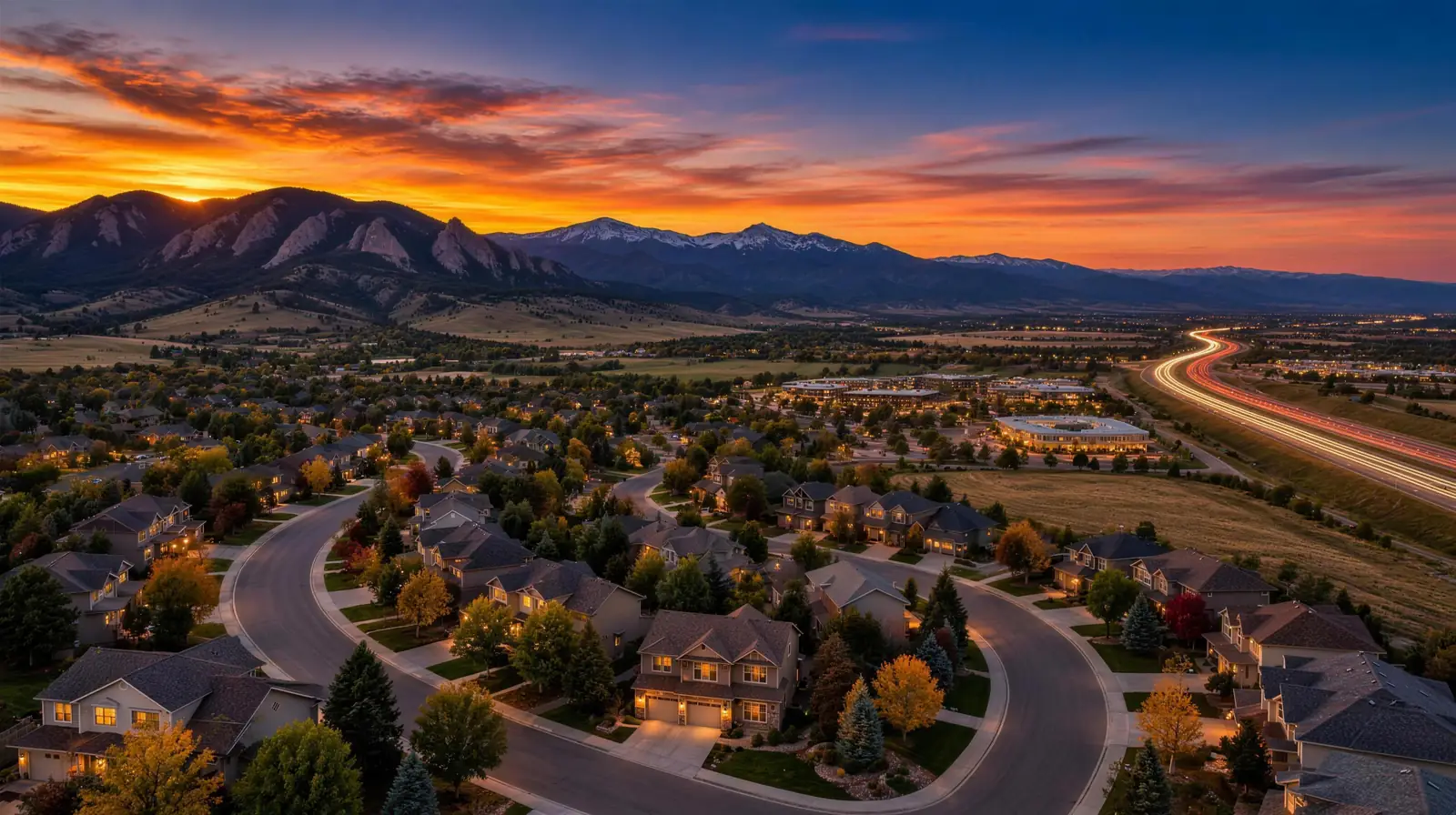
East of Cherry Creek, many Parker neighborhoods sit on open, rolling prairie with few mature trees. Every wall gets direct sun for part of the day, and nothing breaks the wind. Summer thunderstorms build in the afternoon and can bring hail, often with little warning. That shapes a painting day here: we start early, spray only when the air is calm, and keep the active section small enough to finish and protect before a storm arrives.
Hail damage on these houses is easy to underestimate. Dents in gutters are obvious; small cracks in the paint film along hardboard edges and trim are not, and those are the ones that let water into the board. After a storm, we look closely at the west and north walls and at window trim. If you have an open insurance claim, get the damage documented before any repair or paint.
Each subdivision runs its own approval
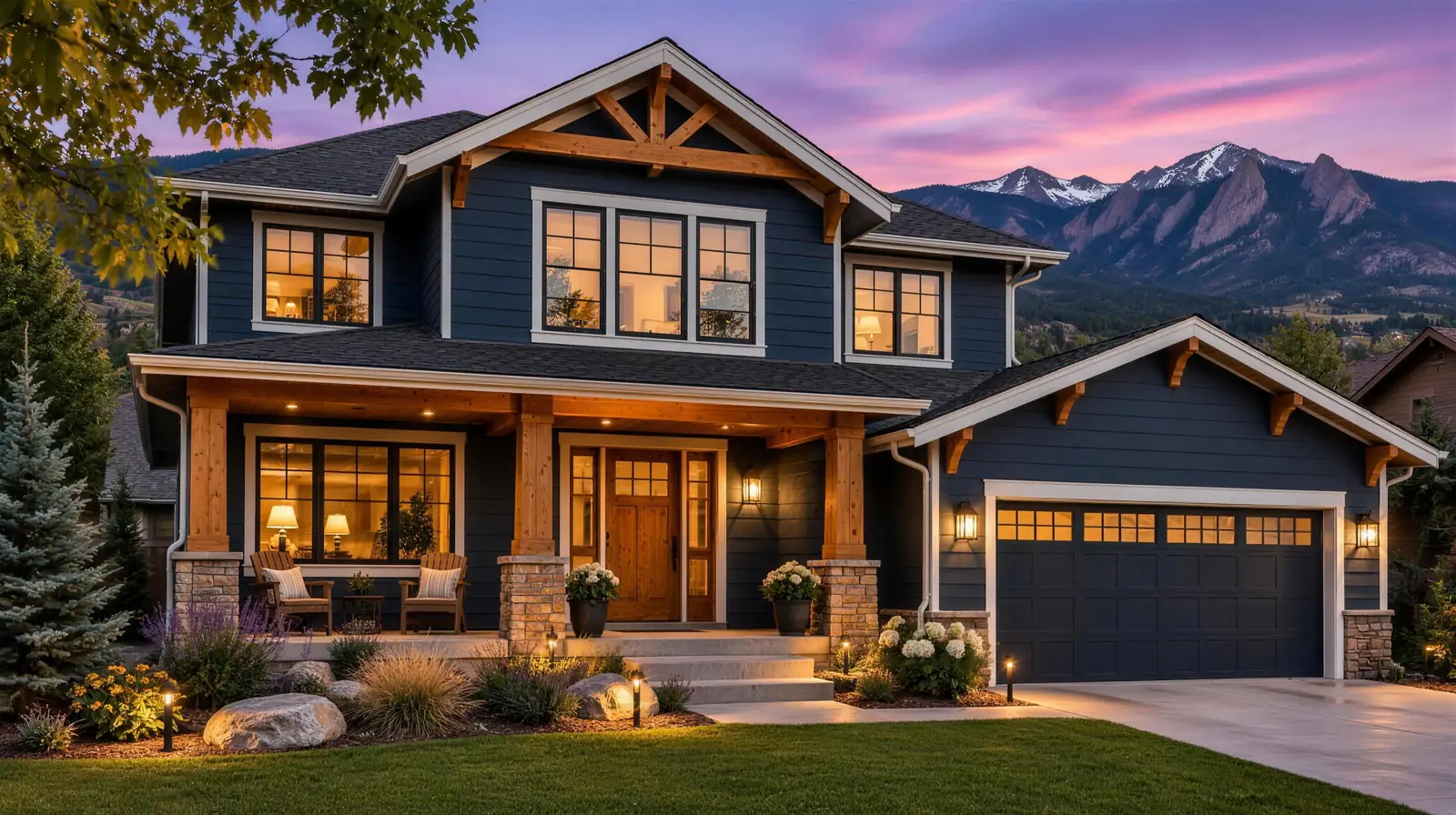
Most of Parker's neighborhoods, from Stonegate to Stroh Ranch to Pradera, were built with covenants, and many are governed by an HOA, a metro district or both. Each one sets its own palette, process and turnaround time, so ask how long review takes before you pick a start date. Repainting in the existing colors may or may not require a form.
We give you the exact product, color names and codes for each surface (body, trim, accent, front door, garage door), so the submission matches what goes on the house. If the approved color is from one paint maker and you want a different brand, we flag it so you can clear the substitution first. Our HOA and townhome painting page covers the paperwork.
First repaints on newer homes
The southern and eastern edges of Parker are still filling in with newer construction: fiber cement or engineered wood lap, stucco on some houses, stone at the front. By the first repaint, the builder's coat is often thin and chalky on the sunny sides, and the caulk at trim joints has shrunk and opened. Engineered wood needs its cut ends and bottom edges sealed, or it can swell much like hardboard. Fiber cement holds paint well but still needs the chalk washed off completely before new paint will bond.
The bottom line
On a Parker house, the prep scope matters more than the paint brand. Ask any painter how they will handle swollen boards, open joints and chalk, and get the answer in writing.
Before you request an estimate
Know your HOA or metro district contact and whether you want to change colors. Note any walls where sprinklers hit the siding. If you're comparing bids with a friend in Castle Rock, remember that ridge-top homes there often need lift access that a typical Parker two-story doesn't.
Request an estimate and we'll probe the siding and walk each wall with you.