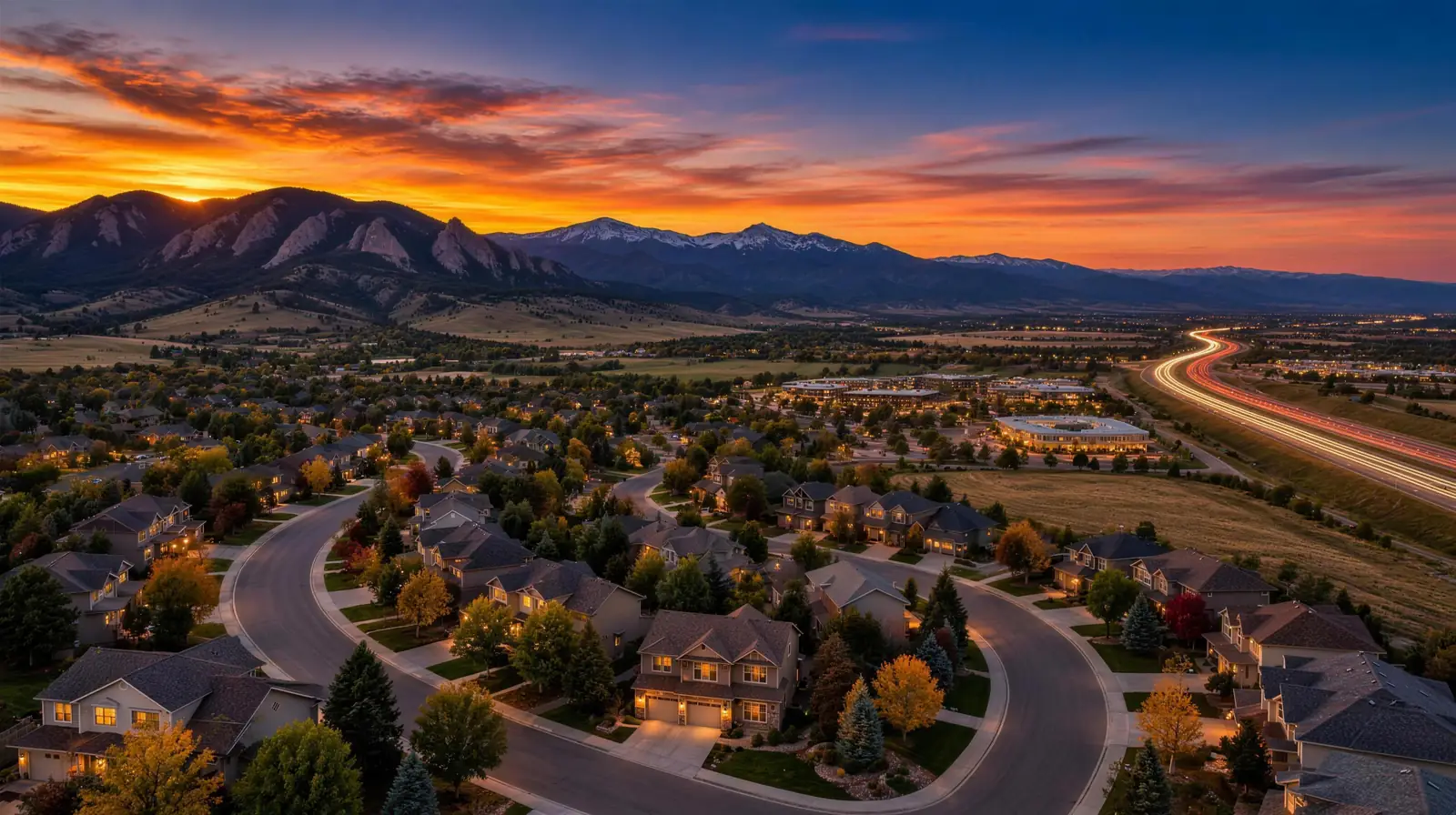
Three Aurora housing eras, three different prep plans
Aurora is one of the largest cities in Colorado and stretches across three counties, so a single description of its houses doesn't hold. We sort jobs by when the house was built, because that predicts the siding, the paint history and the failure we're likely to find.
| Era and area | Usual exterior | What we watch for |
|---|---|---|
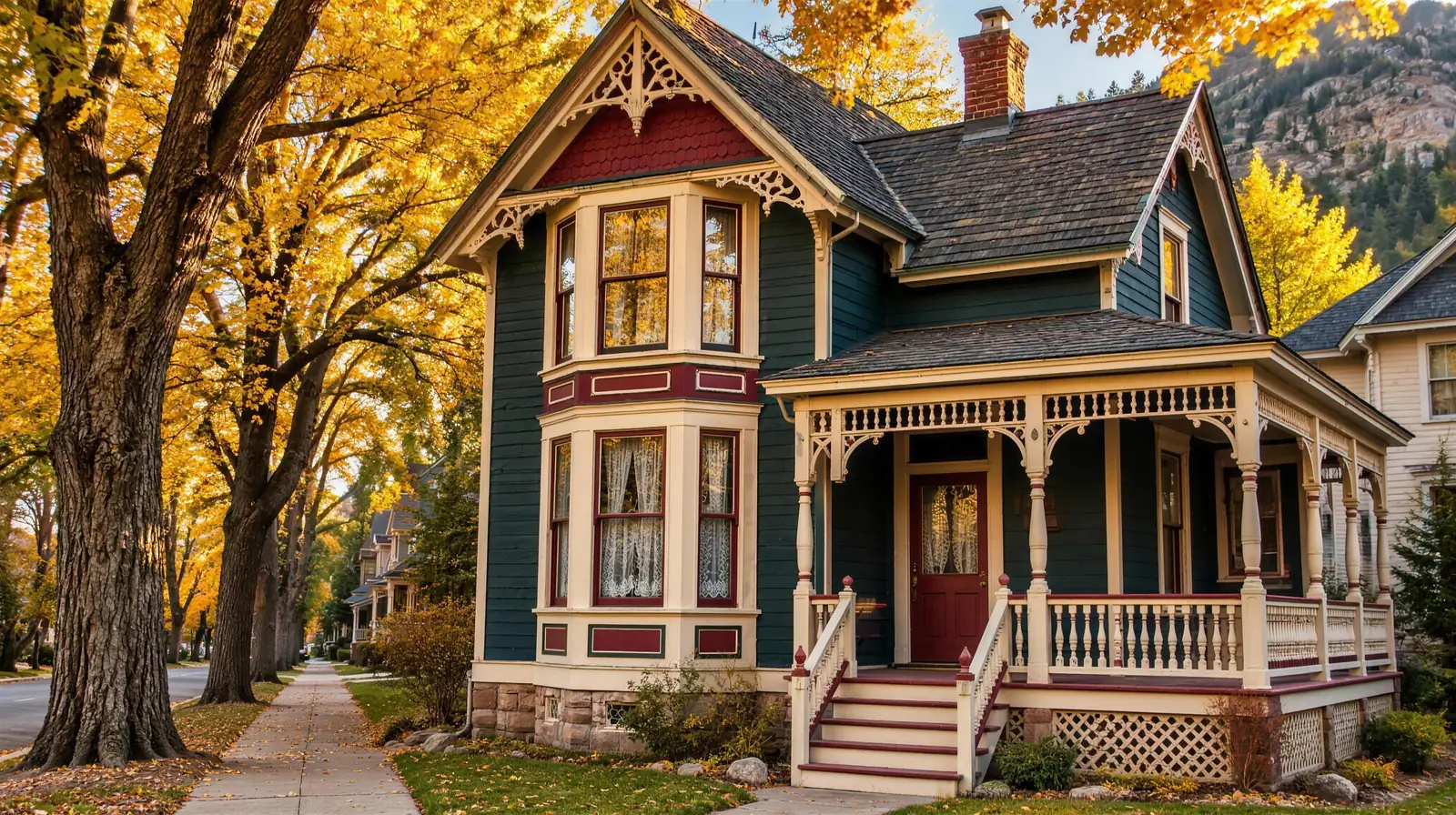
| Postwar homes in the older, northwest part of the city near Colfax | Wood lap siding, brick, painted wood trim | Many old paint layers, likely lead in pre-1978 coats, dry and checked wood |
| 1970s to 1990s subdivisions | Hardboard or wood lap siding, T1-11 panels, cedar or pine trim | Swollen board edges, nail pops, gaps at butt joints, soft wood at the bottom course |
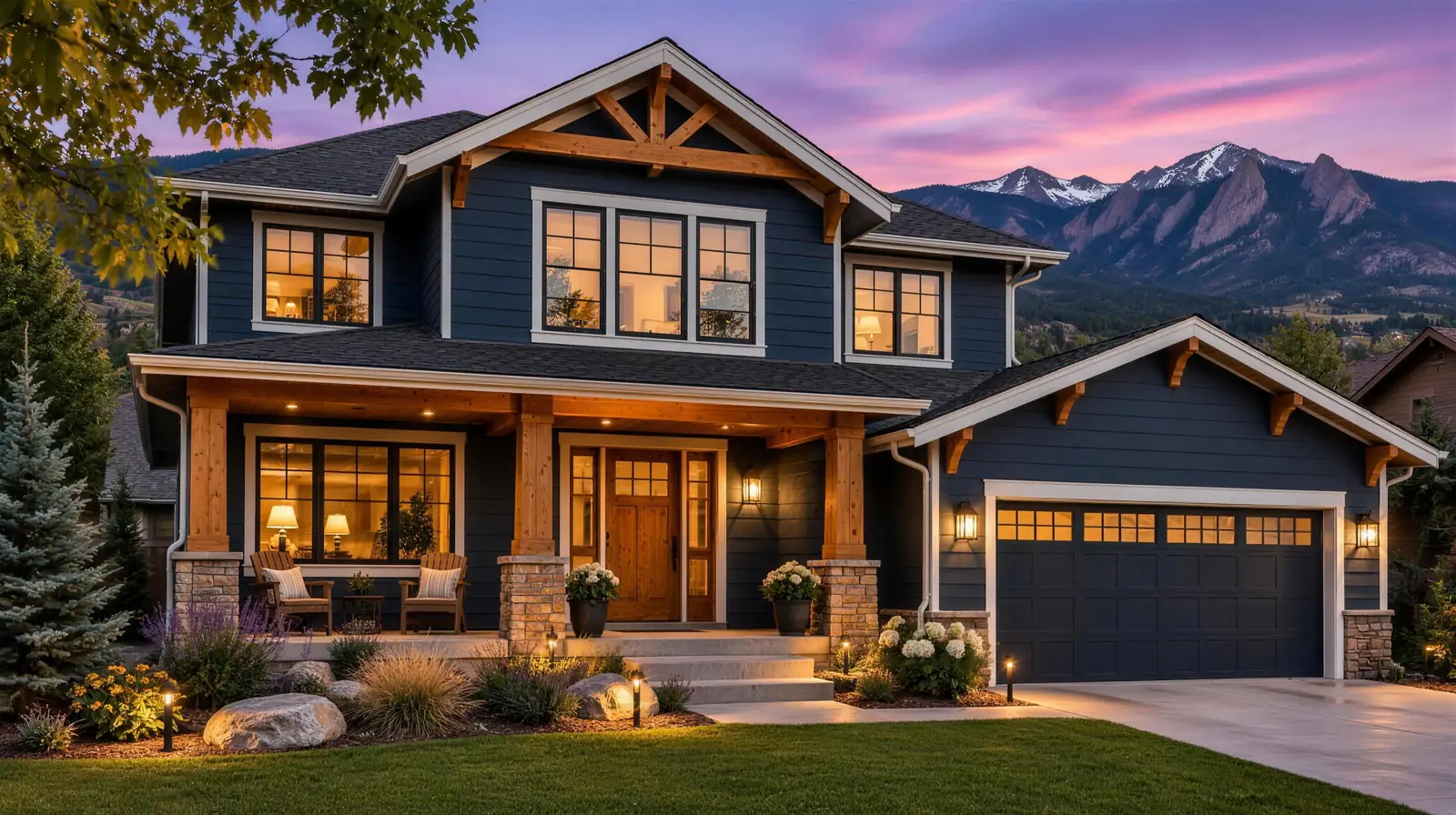
| 2000s and newer, much of it in southeast Aurora | Stucco, fiber cement, engineered wood trim | HOA color approval, cracked sealant at trim, faded and chalking stucco |
Older homes get lead-safe setup under the EPA's Renovation, Repair and Painting rule before any scraping. Newer homes almost always start with a call to the HOA.
Hardboard siding: where most of the repair hours go
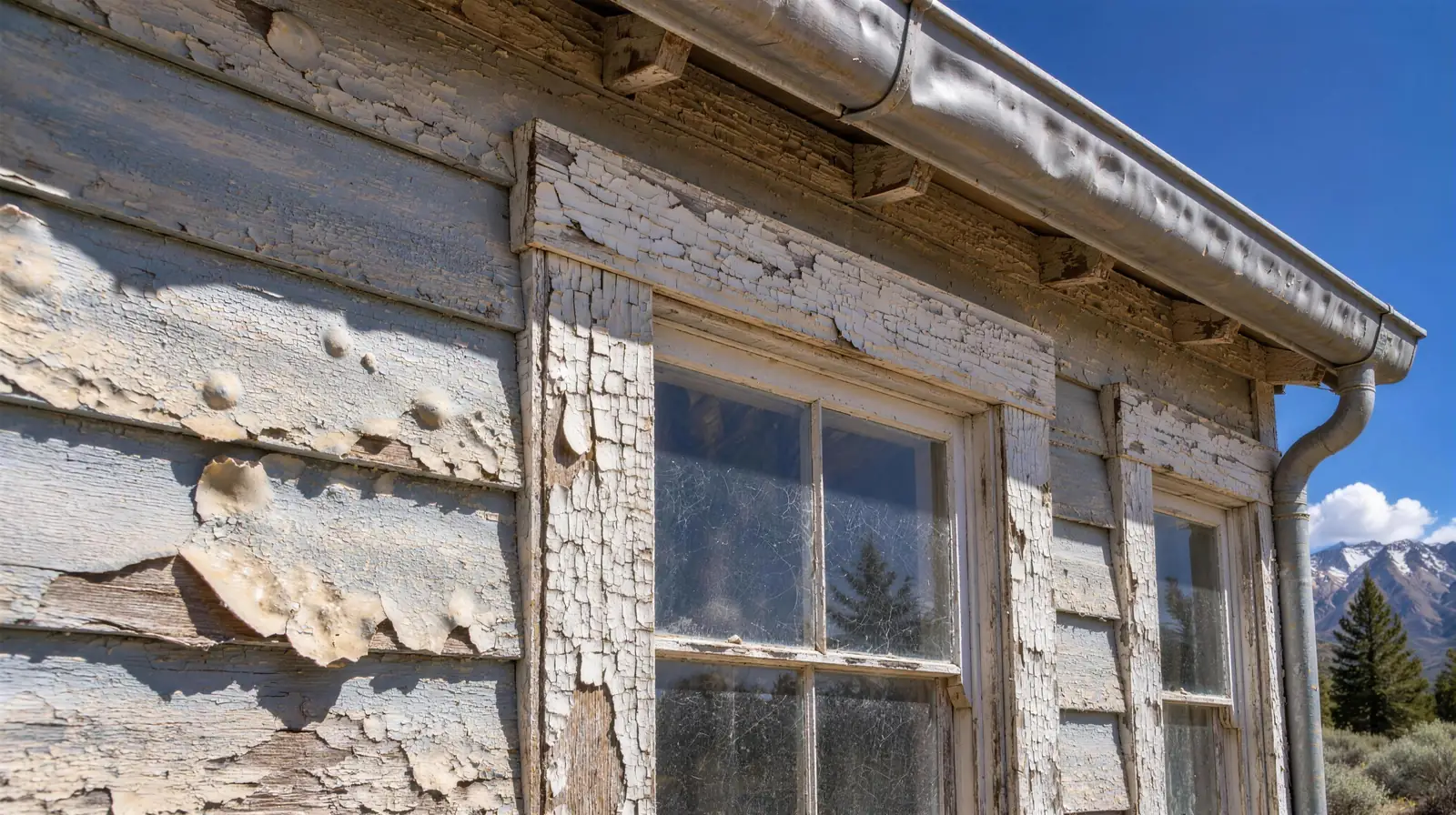
Pressed hardboard lap siding was used on a lot of homes from that middle era, and it holds paint well as long as water stays out of the board. Once water gets in, usually through an unpainted bottom edge, a cut end at a corner or a nail head, the board swells, the texture flakes and the edge turns soft. Paint can't fix a board in that condition.
Our approach is to probe the bottom courses and the boards near sprinklers, downspouts and decks, where water hits hardest. Soft boards get replaced. Sound boards get their exposed edges primed and sealed, and nail heads set and spotted. We leave the horizontal laps between courses uncaulked, because that gap is how water drains out from behind the siding. The details are on our siding painting page, and the carpentry side is covered under exterior prep and repair.
Hail and plains wind on the east side
Severe thunderstorms with hail are a regular part of late spring and summer across the eastern metro, and the National Weather Service Boulder office tracks plenty of them over Aurora. Hail chips paint off the windward walls, dents aluminum gutters and downspouts, and can crack fiber cement and vinyl trim. After a big storm, look at the side of the house that faced the storm, usually west or north, for bright spots where paint has popped off.
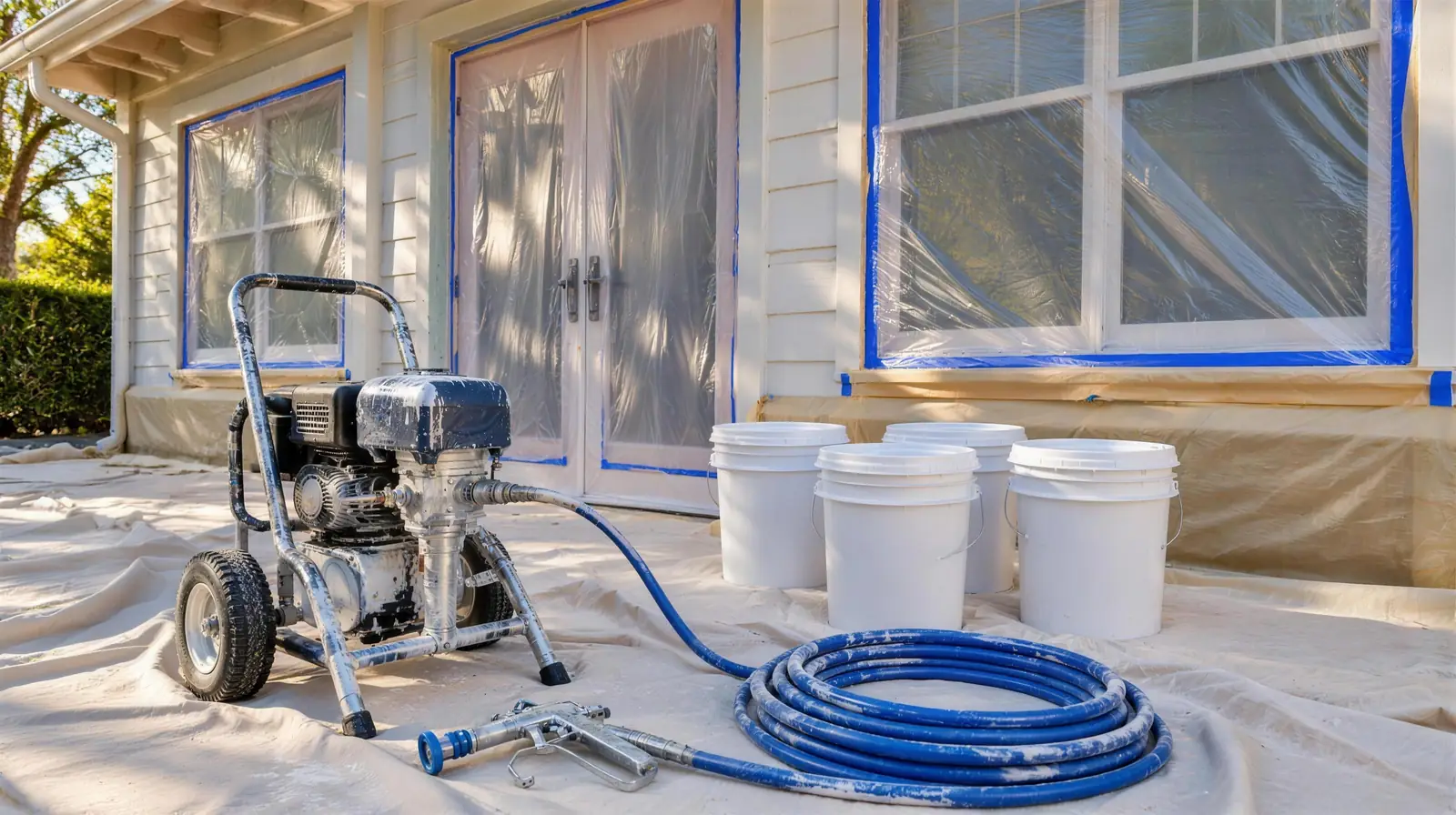
Wind matters on painting days too. Open ground east of the city means gusty afternoons that blow dust into wet paint and push overspray where it shouldn't go. On those days we brush and roll, or move to the sheltered side of the house.
HOA color rules in newer Aurora neighborhoods
A lot of Aurora's newer neighborhoods have an HOA, sometimes alongside a metro district, and repainting usually needs design review approval even when you're keeping the same colors. Some communities publish approved palettes; others want physical samples. We can help you pull the color names from the existing paint, put together a submittal, and brush sample patches so the committee and you see the real thing on your wall. Don't let the work start until the approval letter is in hand.
Questions worth asking before an Aurora estimate
Ask any painter how they'll handle soft hardboard and who decides which boards get replaced. Ask what primer goes on bare edges and repaired spots, whether stucco gets a breathable or elastomeric coating, and how they'll protect landscaping and sprinkler heads from drop cloths and ladders. On a pre-1978 house, ask how they set up lead-safe work. If you're nearer the south edge of the city, we also serve Centennial. When you're ready, request an estimate and we'll walk the house with you.