Mixed Materials Mean Mixed Products
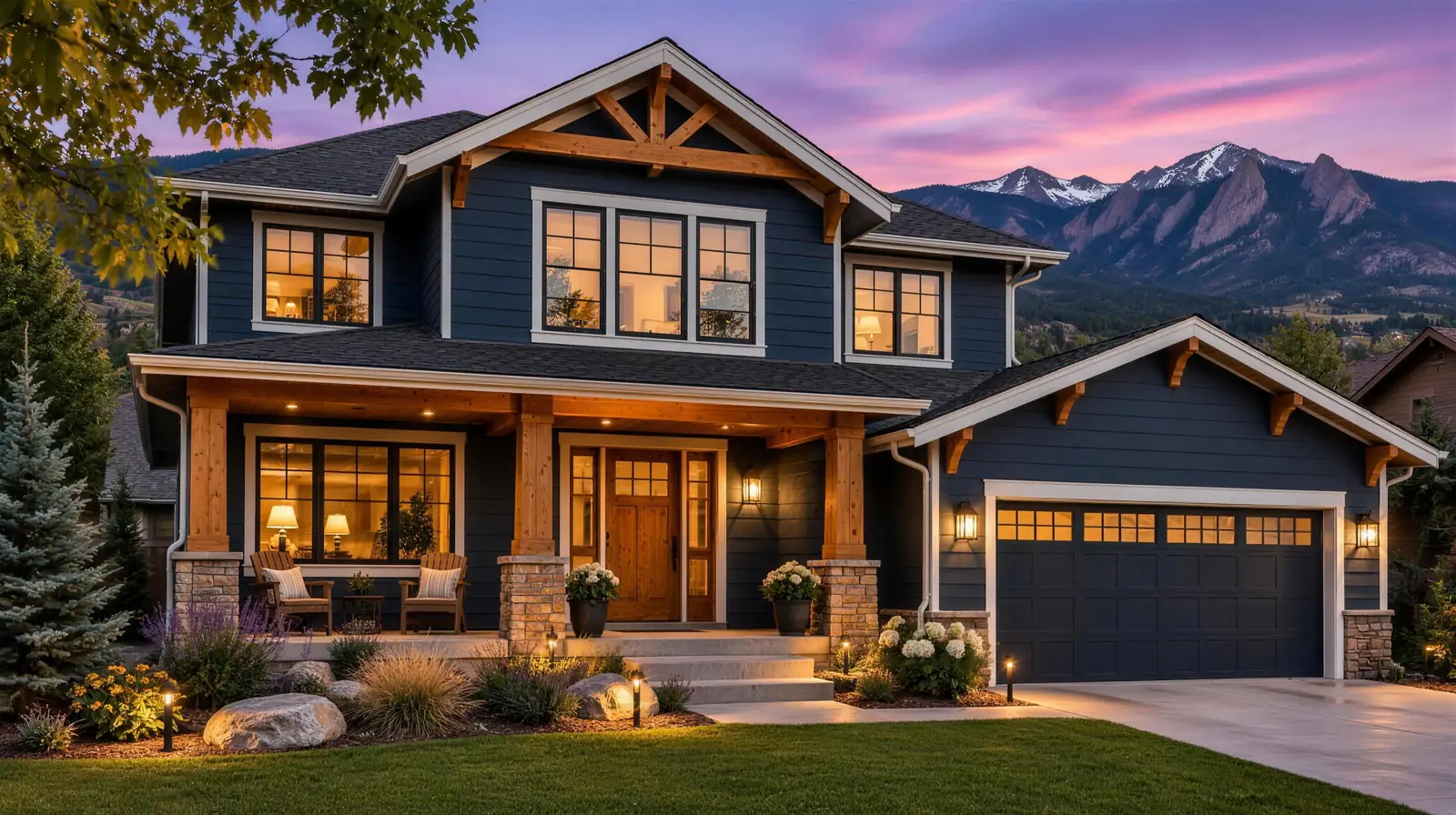
Greenwood Village has a wide range of housing, from older ranches on big parcels to newer custom homes and the townhomes and condos near the Denver Tech Center. The single-family homes usually share one thing: a lot of different surfaces. A single elevation might include stucco, a stone wainscot, wood trim, a metal railing and a steel entry door.
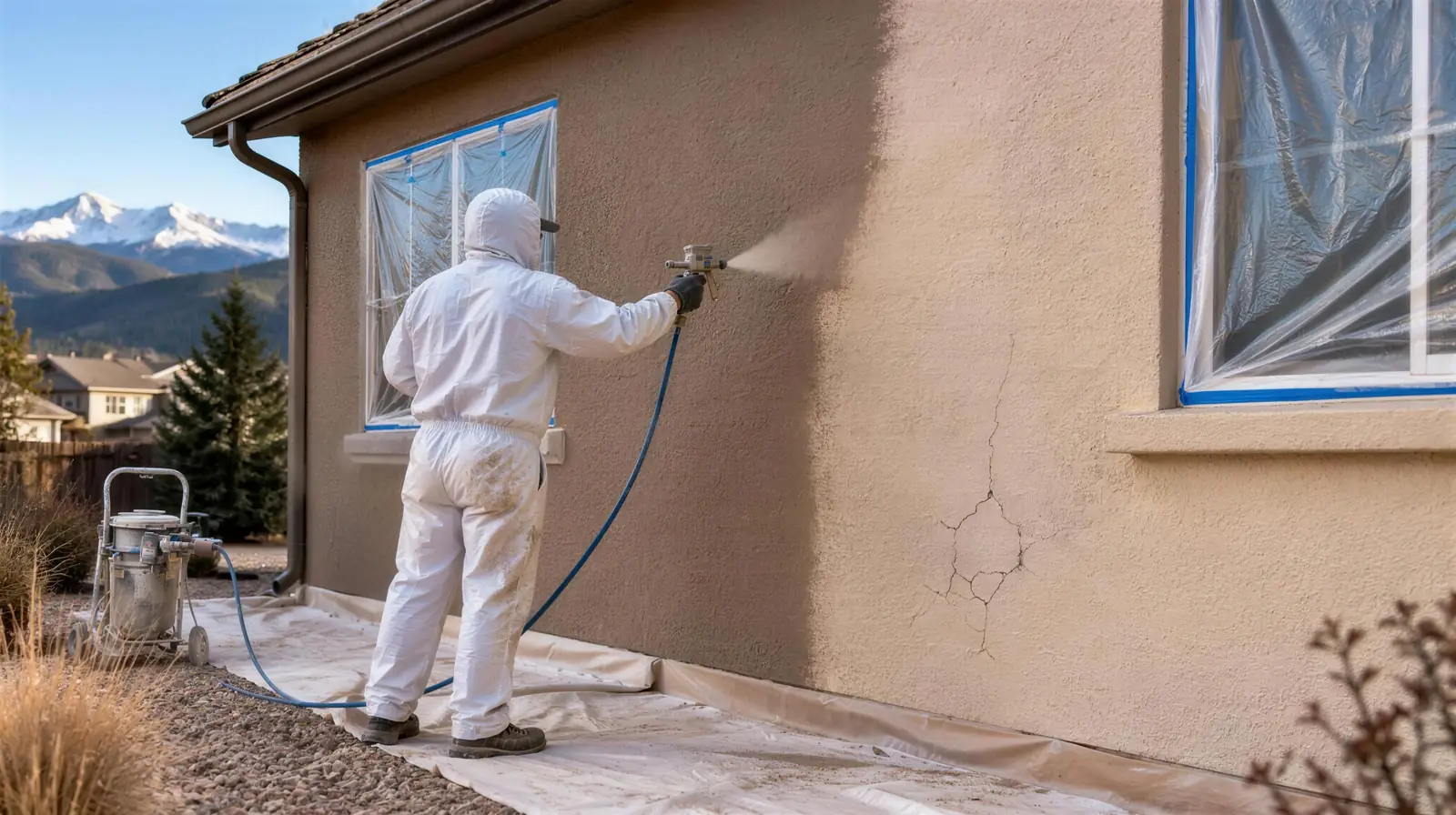
Each of those needs its own system. Stucco takes a masonry primer and a coating suited to its type. Wood trim takes an acrylic over a primer chosen for bare or previously painted wood. Metal railings and fixtures need cleaning, rust treatment where needed and a coating labeled for metal. A bid that lists one product for the whole house is skipping steps somewhere. More on masonry coatings at stucco painting.
Choosing a Stucco Coating
Most of the decisions on a stucco house come down to cracks and moisture.
If this, then that
- If cement stucco is sound with a few hairline cracks, then we patch the cracks and use a breathable masonry acrylic.
- If cracking is widespread and the wall stays dry, then an elastomeric coating can bridge fine cracks, applied at the film build the maker specifies.
- If the stucco shows efflorescence or dark staining, then we find the water source first, because a thick coating over a wet wall can blister.
- If the house has a synthetic or foam-backed system, then we use products that system's maker allows and leave its expansion joints and sealant details intact.
- If the stucco was coated with elastomeric before, then we stay with a compatible coating, since many standard paints don't bond well over it.
Dark stucco colors also absorb more heat in our high-altitude sun. That can be fine, but it raises the stakes on crack repair and coating choice.
Sprinklers, Mature Trees and Big Lots
Large irrigated lawns put water on walls. Sprinkler heads that hit the lower few feet of stucco leave mineral deposits, keep the base of the wall damp and lift paint along the foundation line. Before we paint, we ask you to adjust or cap heads near the house, and we clean off mineral stains so the new coating bonds to stucco, not to residue.
Older parts of the Village have big trees. Their shade keeps north walls cool and damp, which invites mildew, and branches rubbing the roof edge wear through fascia paint. Trimming back from the house before painting gives the new finish a better start.
Trim, Soffits and Tall Walls
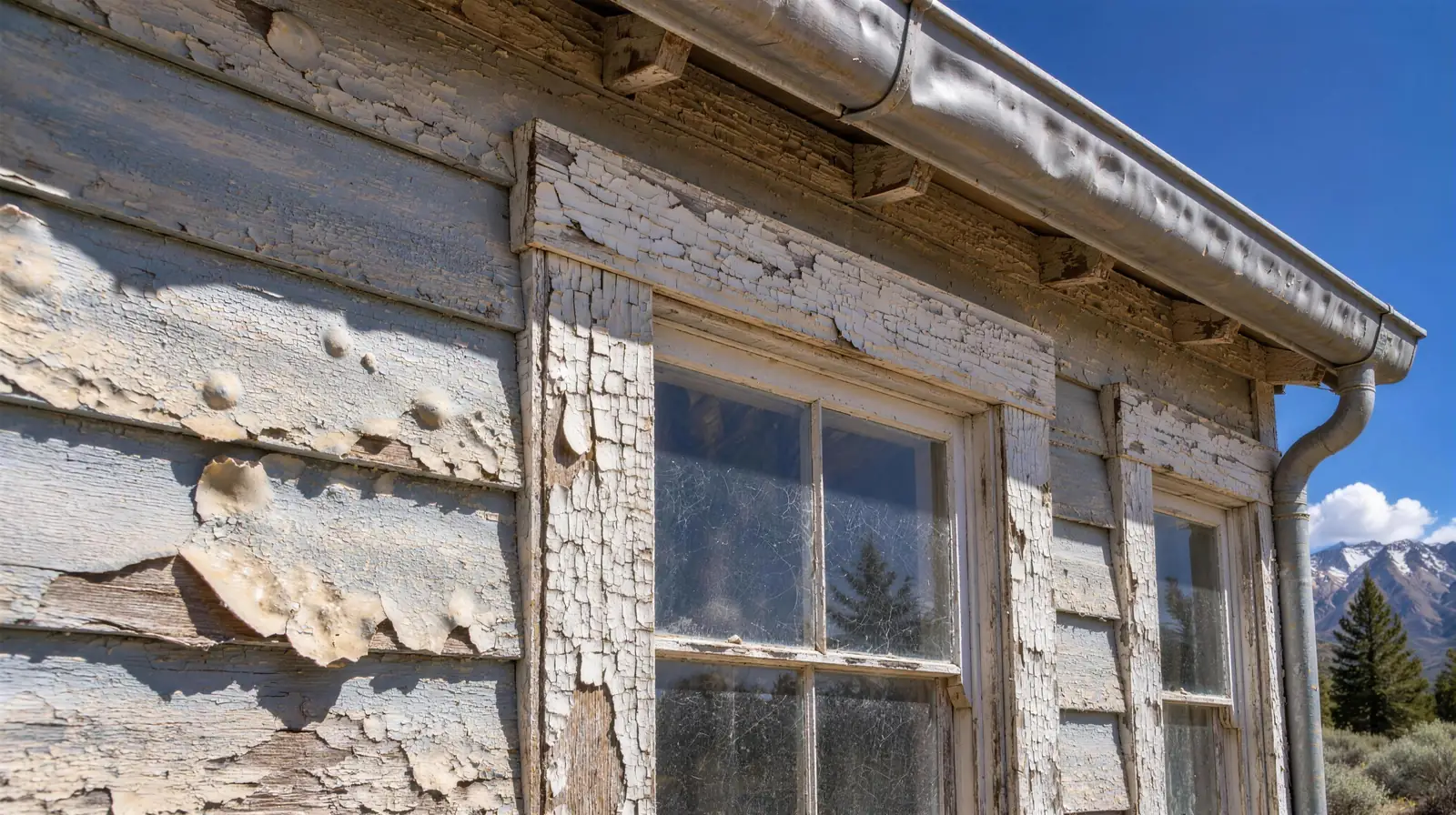
Custom homes often have two-story entries, tall window walls and deep soffits. Those areas mean lifts or long ladders, careful masking around large glass, and a lot of brushwork. Fascia on the south and west sides usually needs the most prep, with split end grain and paint failing at the miters. Our trim and fascia page covers how we handle that detail work.
Stone and brick that aren't being painted need protection too. Masking along stone edges keeps overspray and drips off surfaces that are very hard to clean.
Three-car garages are common on newer custom homes, and a row of doors facing the street shows fading and uneven sheen quickly. Steel doors get cleaned, scuffed where glossy, and coated with a product rated for metal. Wood carriage-style doors need the same end-grain sealing as fascia, since the bottom rail sits in snowmelt.
Colors, Covenants and Storm Timing
Some Greenwood Village subdivisions have HOAs and architectural review; others have older covenants or none at all. Ask for the current rules before choosing a color.
On a house with a lot of stone or brick, the masonry sets the palette. Stone carries undertones of gold, gray or rose, and a stucco color that looks neutral on a chip can fight with it once it covers a whole wall. We brush large samples next to the stone on two elevations and look at them in morning and late-day light before anyone commits.
Weather planning matters on big houses too. The southeast metro gets regular spring and summer hail, so we check gutters, downspouts and metal trim for fresh dents during the estimate. Large walls take longer to finish, which means watching for afternoon storms and stopping a sprayed section before it can get rained on.
Homeowners in Cherry Hills Village and Centennial face similar choices, but with different rules. Request an estimate and we'll walk each elevation and material with you.