Old cottages and new infill on the same street
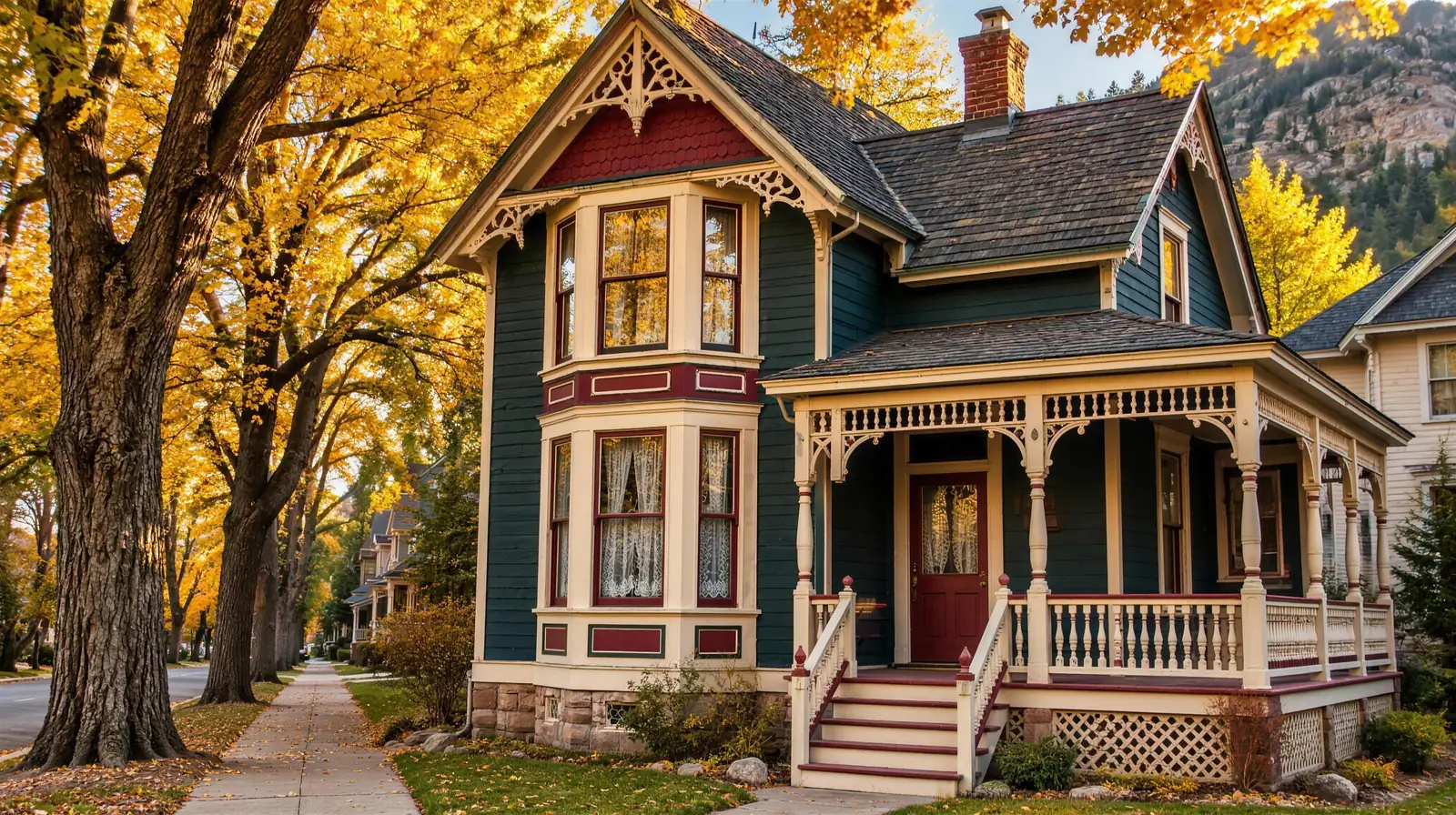
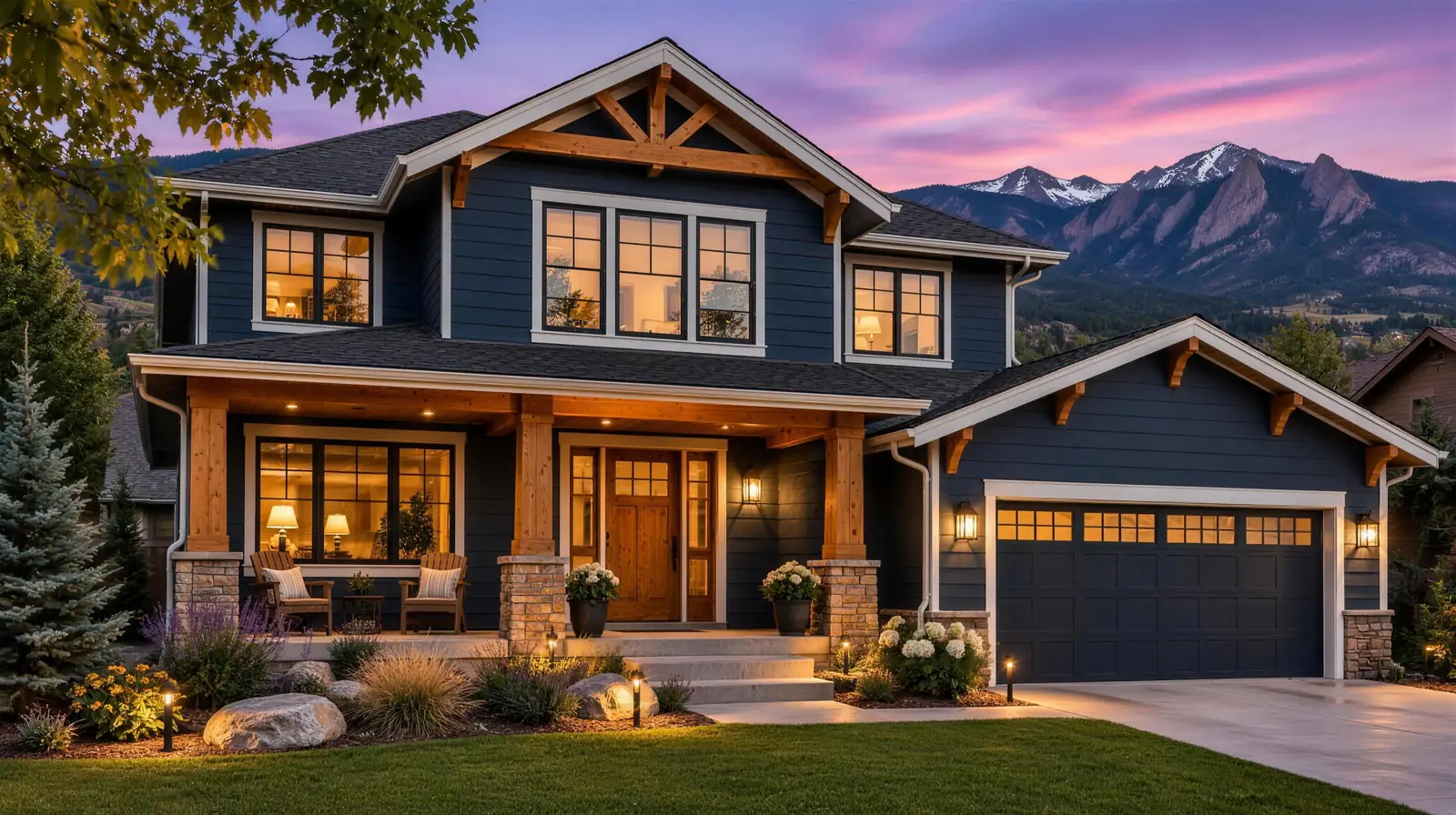
Edgewater is a small city, well under a square mile, bordered by Denver to the east along Sheridan Boulevard and by Lakewood and Wheat Ridge on its other sides. Its older housing is mostly modest: frame cottages, small bungalows and brick homes from the first half of the last century, followed by postwar houses. In recent years many lots have been scraped and rebuilt with taller, boxier homes clad in fiber cement panels, lap siding, metal and stucco.
The two groups have almost nothing in common from a painter's point of view. The older houses carry decades of paint, likely including lead in the lower layers, over wood that has dried, checked and opened at the joints. The new houses usually have sound substrates, factory-primed or prefinished materials, sharp modern detailing and owners who want dark, saturated colors. One estimate template doesn't fit both.
Small lots change how the paint goes on
Side yards in Edgewater are often narrow, with the neighbor's wall, fence or car a few feet away. That affects every step of the job.
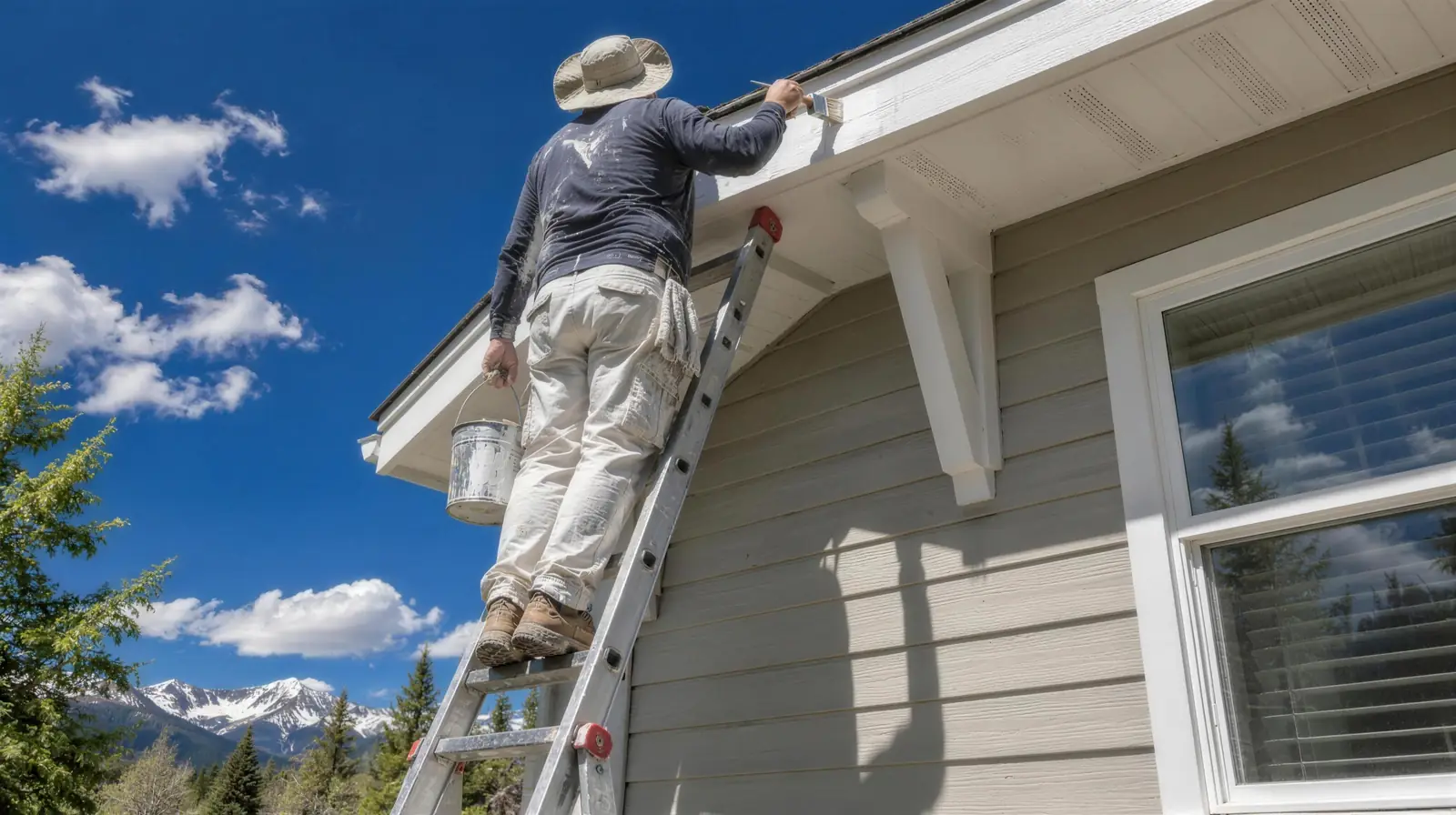
Ladders and planks sometimes have to stand on the neighbor's side of the property line to reach a wall. We ask owners to talk with neighbors before the job starts, and we keep a set of drop cloths for their side. On an older house, lead-safe containment has to fit in the same tight space, with ground covers extended and debris cleaned daily so dust doesn't drift next door. The exterior prep and repair page explains that setup.
Dark colors on modern homes
Charcoal, black and deep navy are popular on new construction, and they look sharp. At this elevation they also absorb a lot of sun. Dark paint on a south or west wall fades faster than a light color, and on some materials the heat matters. Vinyl and some composite trim products limit how dark they can be painted; the manufacturer's literature says what's allowed, and some paint lines offer heat-reflective dark colors for that reason. Fiber cement handles dark colors well but still shows fading on sunny sides first. Our siding painting page covers fiber cement and engineered wood in more detail.
Prefinished metal panels and factory-coated siding raise another question: whether to paint them at all. A sound factory finish often outlasts field paint, and painting it means committing to recoats. If it has faded or chalked, it needs thorough cleaning and a primer suited to the coating before topcoat.
Older cottages: patience before paint
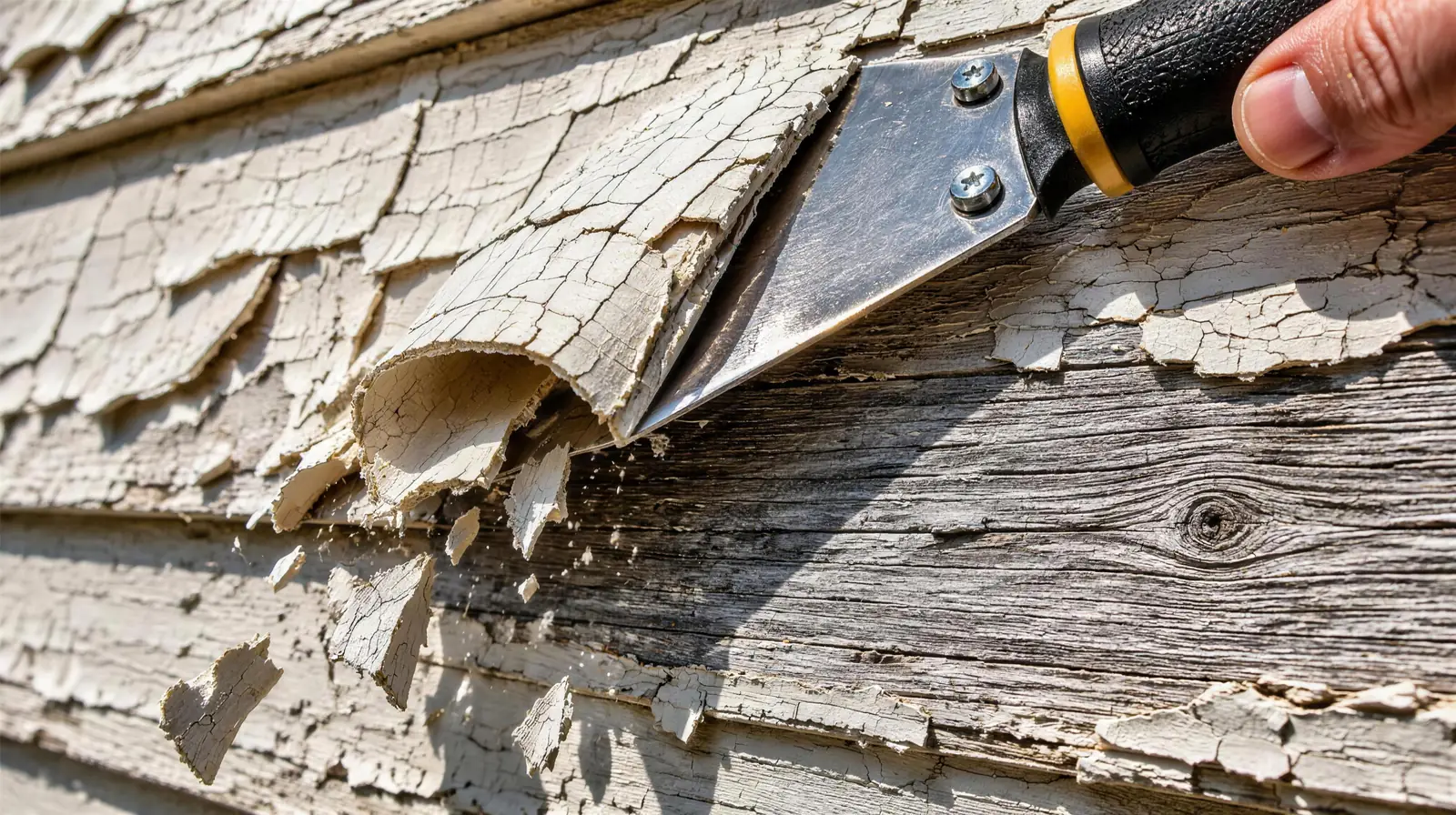
On the older houses most of the time goes into prep. Loose paint comes off with hand scrapers inside containment, checked and weathered wood gets primed, open joints and nail holes are filled, and failed glazing on old wood windows is addressed or flagged. Porch floors and steps often need their own coating. We tell owners plainly when trim is too far gone to paint and should be replaced.
Scheduling around Edgewater's season
The window runs from late spring through early fall, with spring snow, summer storms and cooler fall nights setting the edges. Small houses don't take long once prep is done, so the calendar fills more from the backlog of projects than from job size. Nearby, we also work in Wheat Ridge and Denver. Request an estimate and mention how close your neighbors are on each side.