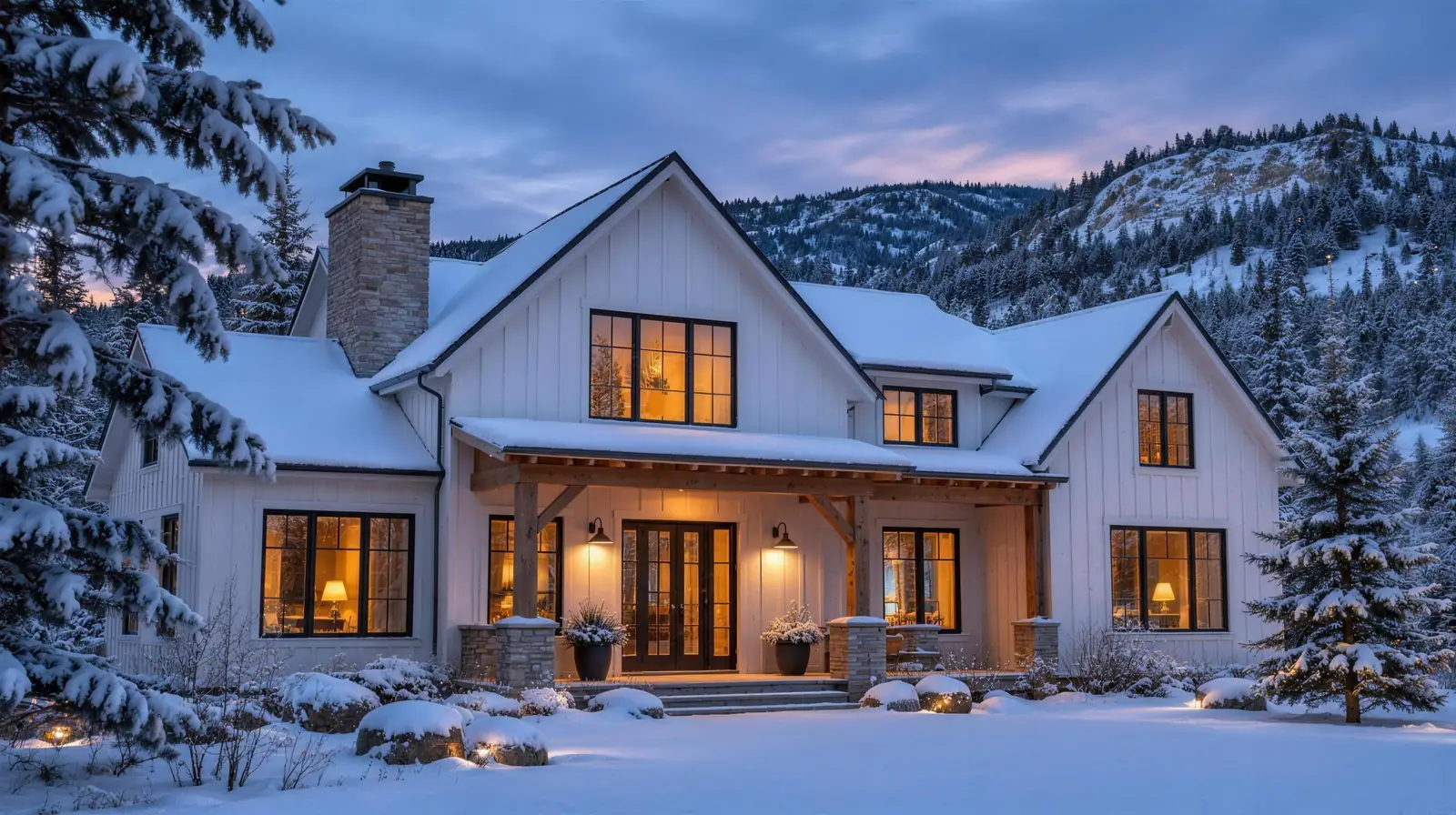
Open ground changes how paint goes on
Mead sits on flat, open farmland between the interstate and Longmont, and many lots have few mature trees. That matters on painting days. A west wind picks up dust from fields and gravel drives and drops it straight into wet paint. It also pushes sprayed paint off target, which is a real problem when a neighbor's truck is parked downwind.
So we plan Mead jobs around the wind forecast more than the temperature. Calm mornings are for spraying large wall areas. When it picks up in the afternoon, crews switch to brush and roller work on trim, doors and the sheltered side of the house. Some days we stop early. A coat with grit embedded in it looks rough up close and doesn't bond as well, and nobody wants to pay for that.
Town lot, subdivision or acreage: scoping the job
If this, then that
- If your house is in the original town, then expect older wood siding with several paint layers, and plan for lead-safe prep if it was built before 1978.
- If you're in a newer subdivision, then the job is mostly washing, caulking and two coats over builder paint, with HOA color approval up front.
- If you're on acreage, then decide early which outbuildings, fences and gates belong in the scope, because they can double the linear footage of wood.
The acreage jobs need the most conversation. A detached garage or shed matched to the house is straightforward to price. Split-rail and board fences along a long drive are a separate question, and on our deck and fence staining page we explain why we usually stain those and save paint for the house.
Board and batten and rough-sawn wood
Rural homes and outbuildings around Mead often use board and batten or rough-sawn siding. Rough wood drinks the first coat. On a dry Colorado day it can absorb so much that the finish looks thin and patchy even after two coats. We back-brush or back-roll after spraying to work paint into the grain and the gaps beside each batten, and we look hard at the bottom ends of the boards, where snow sits against them all winter.
Older homes in the original town
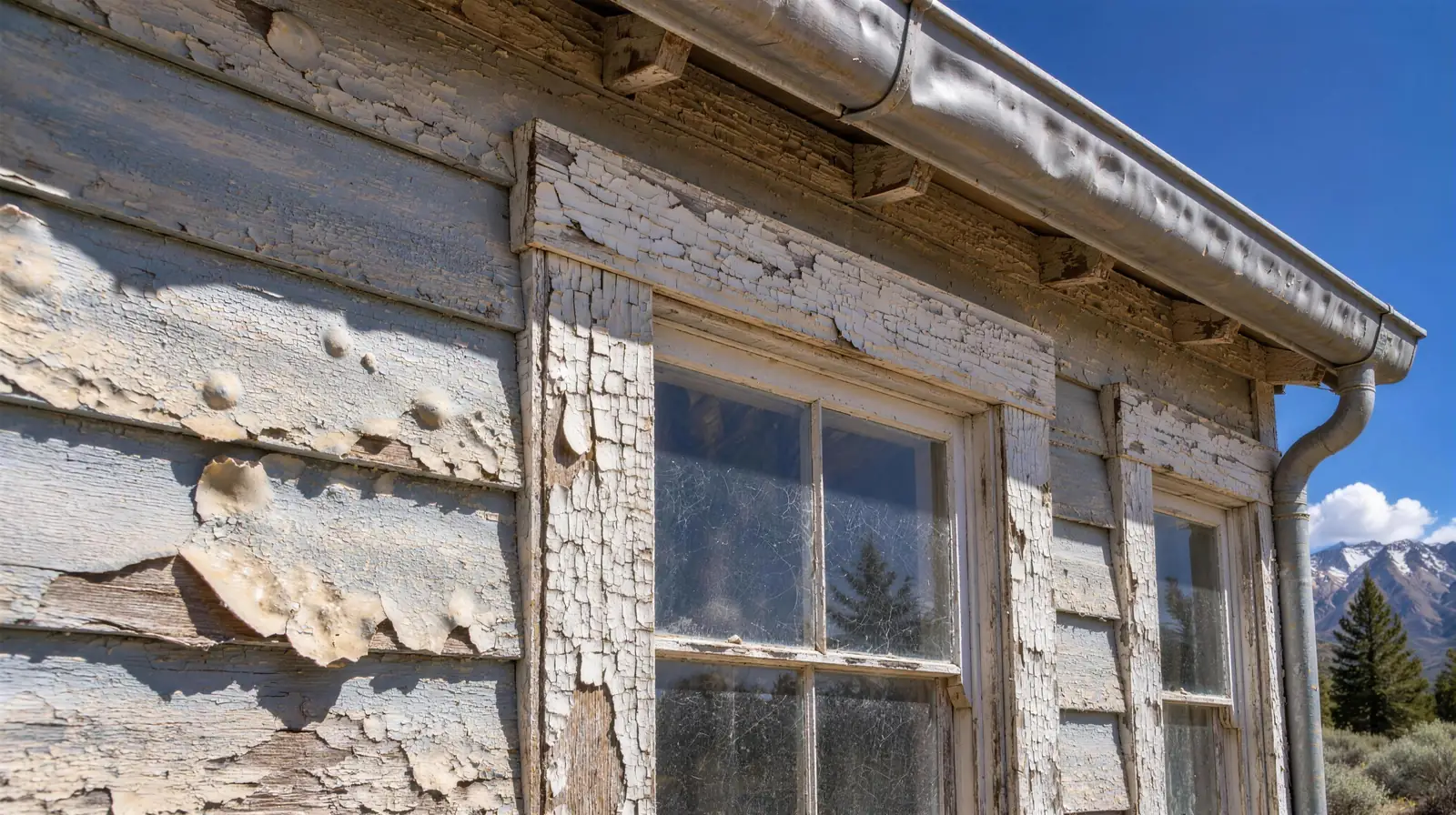
The streets around Mead's small downtown hold houses that are much older than anything near the interstate. Expect wood lap siding or wood shingles under many coats, some of which may contain lead. For any home built before 1978, the EPA's Renovation, Repair and Painting rule sets lead-safe work practices for paid work that disturbs paint. In practice that means ground covers, containment, misting, careful cleanup and no open dry-sanding of old coatings. Our exterior prep and repair page goes through how we scrape and prime old wood.
Windowsills and the lowest courses of siding are where we usually find soft wood on these homes. We'd rather point it out before the estimate than discover it with a scraper halfway through.
How a Mead painting season usually runs
April and early May bring warm afternoons, but nights can still drop below what the paint maker's data sheet allows, so start times slide later and dew can delay a morning. June through August is the steadiest stretch, though afternoon thunderstorms and hail can roll in from the west with little warning. September is often the most pleasant month for exterior work here. By late October the working day gets short.
If your place is closer to the Larimer County line, our Berthoud exterior painting page covers the older wood homes and foothill wind on that side. Request an estimate and we'll walk the property with you.