City Limits Versus a Littleton Address
A Littleton mailing address covers far more ground than the city itself. Many homes with that address sit in unincorporated Jefferson, Arapahoe or Douglas County, including the Ken Caryl area and neighborhoods near Columbine. That matters for painting in two ways: whether city historic preservation rules could apply, and whether an HOA or master association has a say in colors. We ask which side of the line a house is on at the first visit.
The address also hides how different the housing is from one Littleton neighborhood to the next. A 1920s house a few blocks from the light rail station and a 1990s two-story on the southwest side share a mailing address and almost nothing else: different siding, different paint history, different exposure. We scope each one from what's on the walls, not from the zip code.
Older Homes Near Downtown: Prep Before Paint
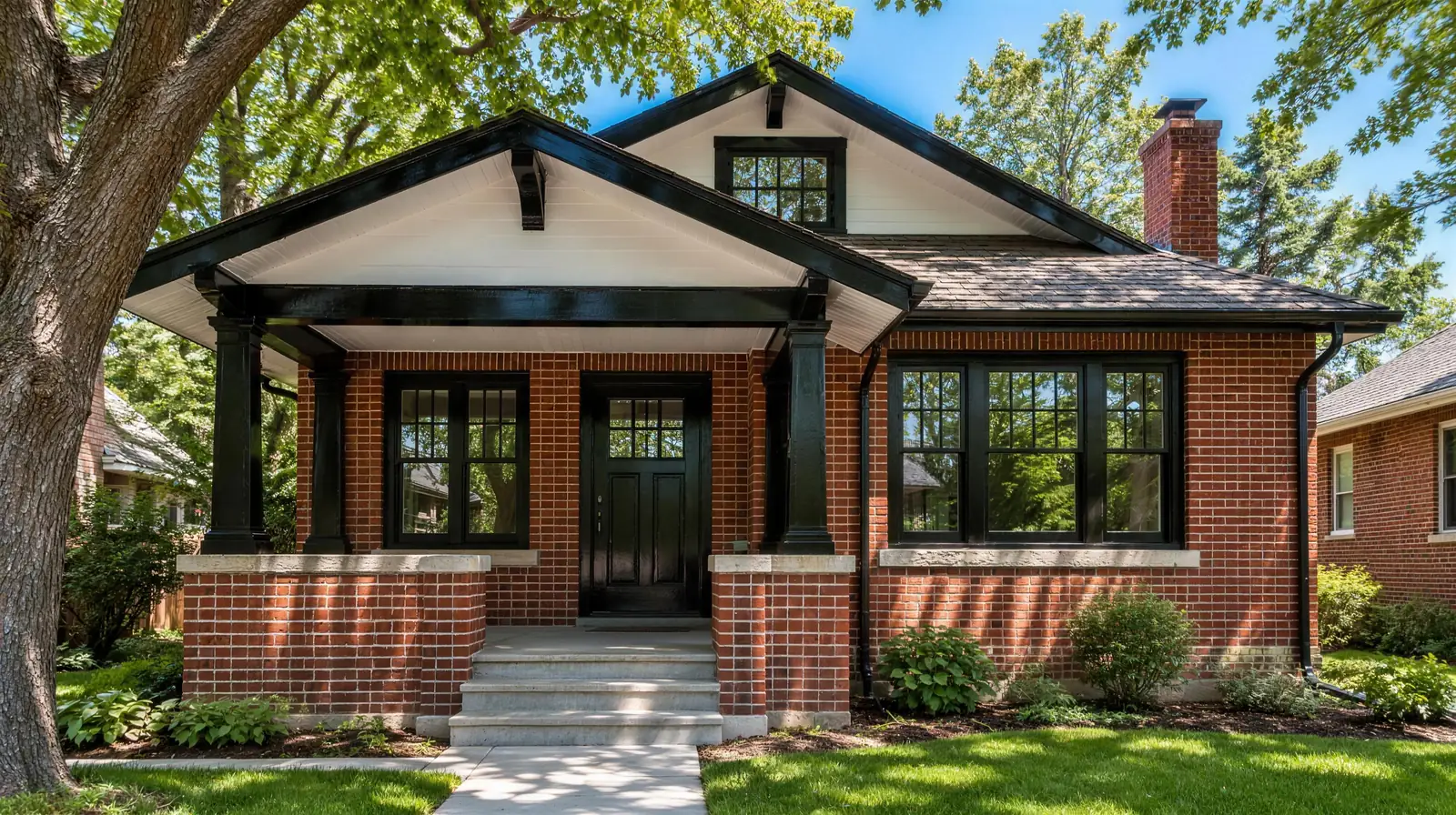
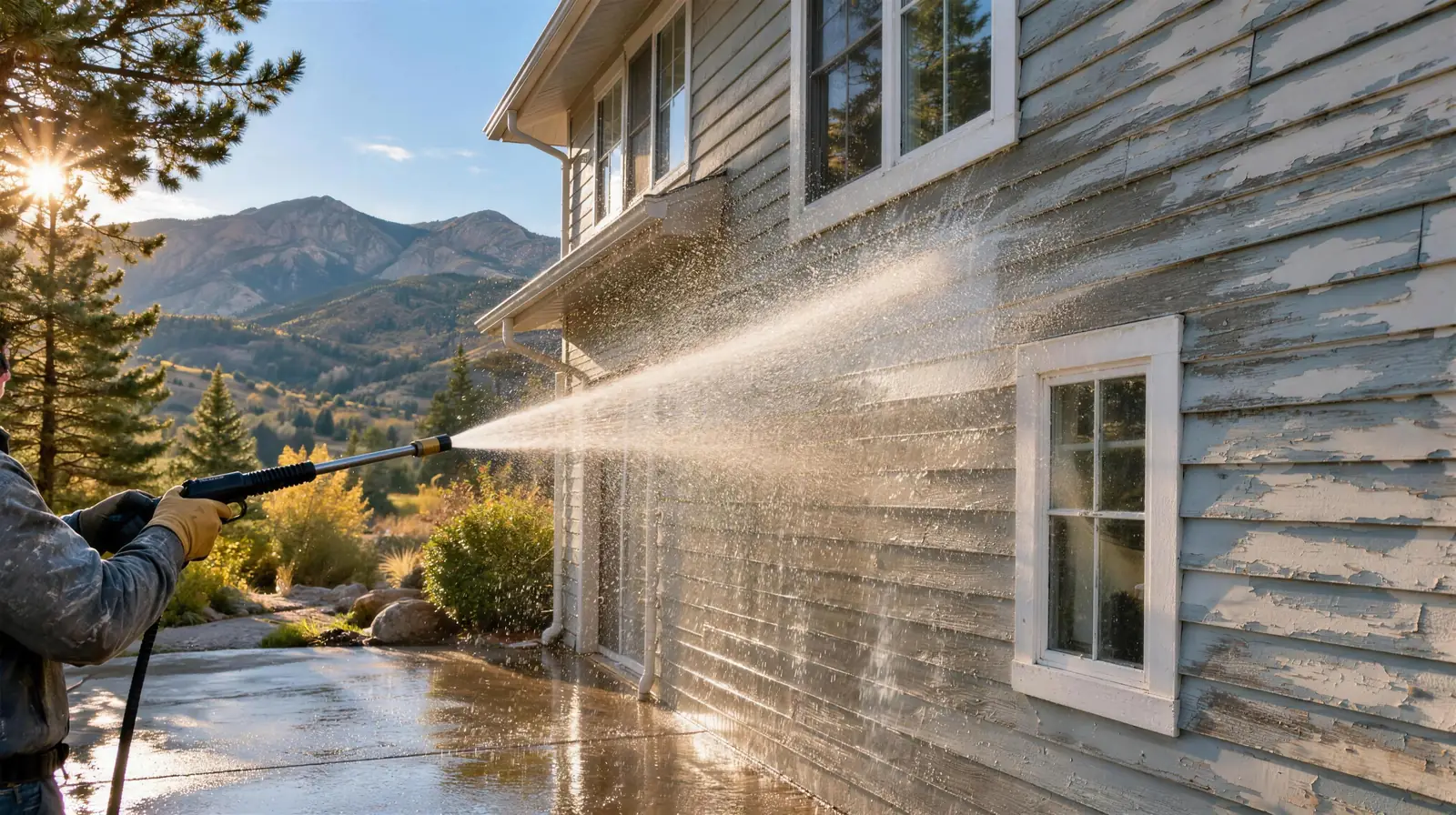
The houses closest to Main Street include wood clapboard homes, brick houses with painted wood trim, and porches that have been repainted many times. Those layers are often thick and uneven. Anything built before 1978 gets treated as if it contains lead, which means containment on the ground, wet scraping, no dry power sanding and no open-flame stripping, following the EPA's Renovation, Repair and Painting rule.
Window sills, porch floors and the bottoms of columns are where rot hides on these homes. Our prep and repair scope covers how we replace or consolidate damaged wood.
Post-War Ranches: Long Eaves, Low Walls, Hard Sun
Littleton grew quickly after World War II, and many of those single-story ranches remain. They tend to have brick on part of the front, wood or hardboard lap elsewhere, long fascia runs, and sometimes cement-based shingle siding. Shingles from that era may contain asbestos. They can be painted, but they should not be sanded, scraped hard or pressure washed at high pressure, so we clean them gently and use a primer suited to the surface.
Low walls and long eaves also mean the fascia takes almost all of the weather. On many ranches the fascia and gutter line are in worse shape than the siding below.
Later subdivisions
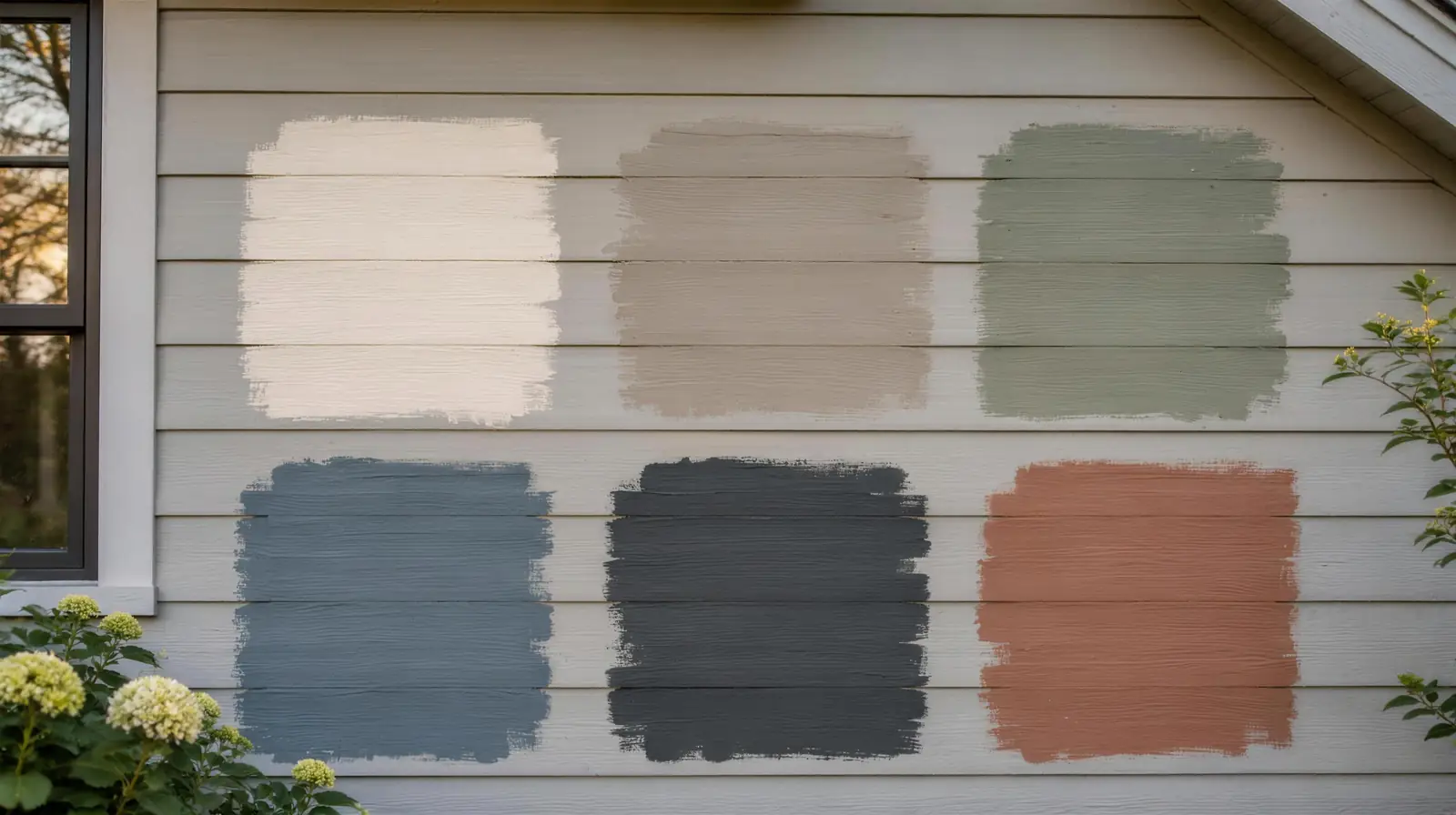
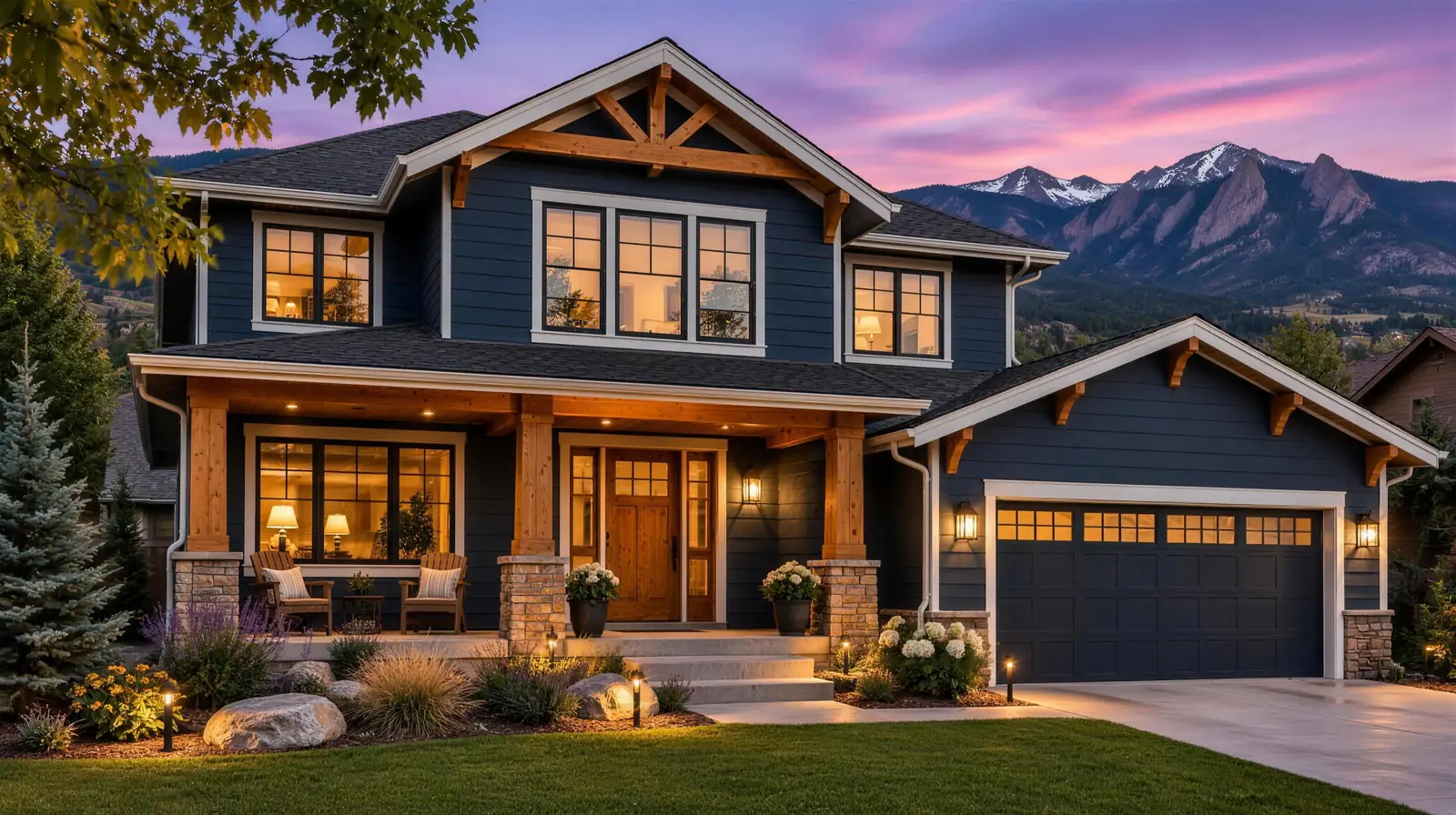
Neighborhoods built from the 1970s into the 1990s look more like the rest of the south metro: two-story homes with hardboard or wood lap, some stucco, and covenants in many areas. On those houses the work shifts from lead-safe scraping to board replacement, joint sealing and color approval, which is closer to what we describe for Highlands Ranch.
When the Season Opens and Closes
We paint from late spring into early fall. The real limit is the minimum surface and air temperature on the product data sheet, plus whether the night will drop low enough for dew to settle on a film that hasn't cured. Spring mornings start cold here, so a crew may not begin on shaded walls until late morning. In fall we follow the sun around the house, painting east sides first and saving west walls for the afternoon.
Summer has the opposite problem. A west wall in full July sun can get hot enough that paint dries before it levels, leaving lap marks and a thin film. On those days we paint each wall after the sun has moved off it. Older homes with mature street trees are easier in summer and harder in shoulder months, since the shade that keeps a wall cool in July also keeps it damp on an October morning.
What to Ask Before You Book
- Will old paint be tested or treated as lead-containing, and what containment will be used?
- Which boards or sills will be replaced, and is that priced in or extra?
- Is the house inside city limits, and does any historic designation or HOA apply?
- Which primer goes over chalky, glossy or bare areas?
- How will cement shingle siding be cleaned, if the house has it?
Homeowners in Englewood and Columbine Valley deal with many of the same eras of housing. When you're ready, request an estimate and we'll go through the house elevation by elevation.