A town of one-off houses
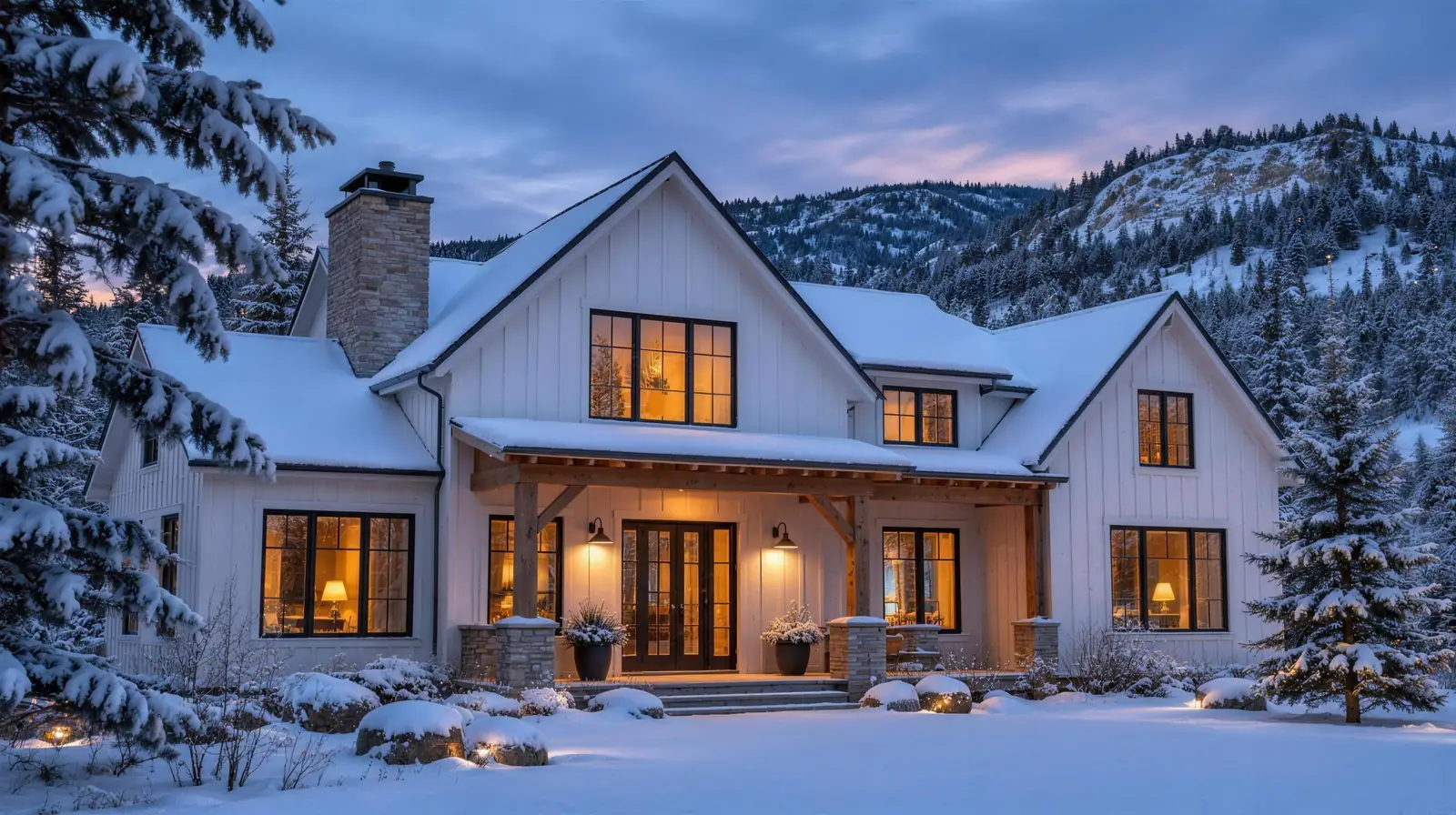
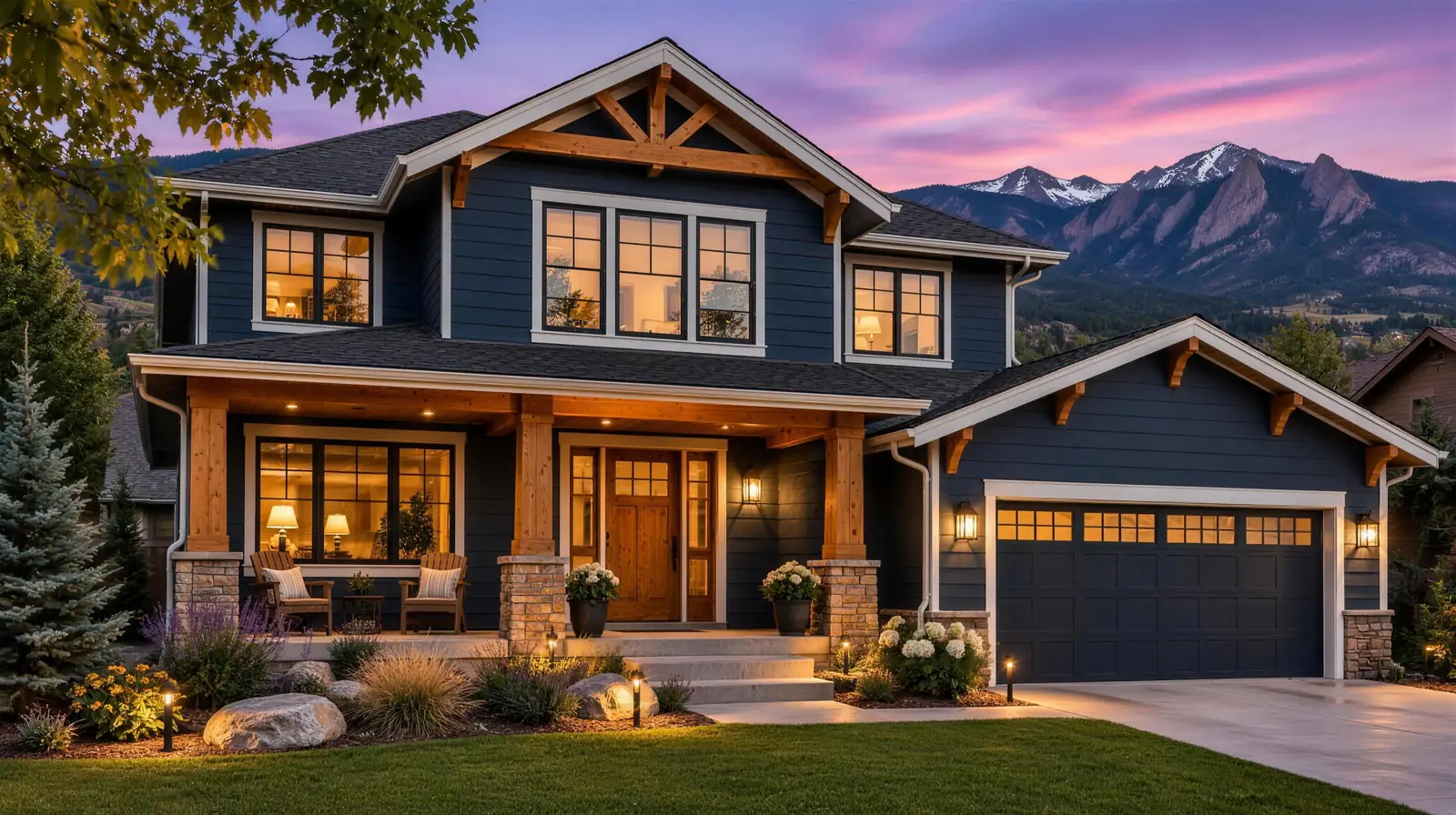
Palmer Lake didn't fill in with tract subdivisions the way the I-25 suburbs did. What you find is a mix: small older cabins that have been added onto two or three times, cottages with cedar or board and batten, and newer custom homes with stucco, fiber cement and stone. A single house can have three siding types, each from a different decade.
Additions are where the trouble hides. A seam where an old wall meets a newer one often has a gap in the flashing, a mismatch in trim depth, or two coatings that don't get along, such as old oil-based paint under newer latex that is now lifting in sheets. We check adhesion on each material separately before deciding on a primer. Our siding painting page goes through how each siding type is prepared.
Many of the older cabins predate 1978, so lead-safe practices apply when we scrape or sand them.
Shade, needles and slow-drying walls
With the mountain rising right behind town and tall pines on many lots, plenty of walls spend most of the day in shade. Those walls dry slowly after rain or snowmelt, grow mildew, and keep moisture in the wood long enough to push paint off from behind. Pine needles fill gutters, water spills over, and the fascia and top of the siding rot first.
Before we price a Palmer Lake house, we walk it with this list:
- Moisture readings on shaded walls and the lowest siding courses
- A probe of fascia, rafter tails and window sills for soft wood
- Gutters checked for needle buildup and overflow staining
- Branches and shrubs touching the house, which need trimming back before work
- A tape test on any area where newer paint sits over old coatings
- Siding clearance at grade, decks and stair landings
Shaded walls get a mildew wash and extra drying time. Painting over mildew without killing it means it shows back up through the new finish.
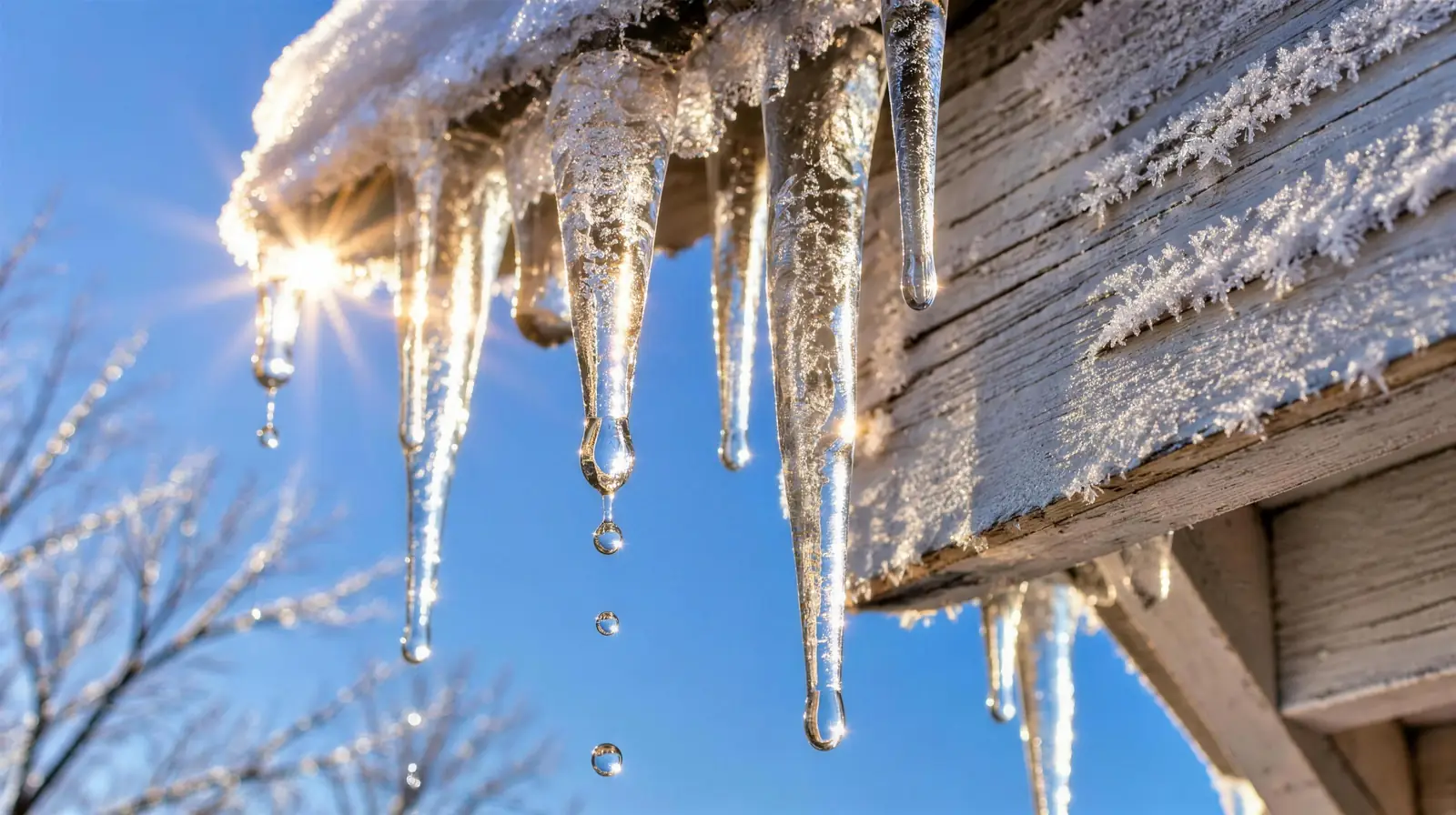
Wind, snow and a short calendar
At this elevation on the Divide, snow comes early and leaves late, and exposed lots catch strong wind. The dependable painting season is noticeably shorter than in Colorado Springs, even though it's a short drive away. We plan Palmer Lake work for the middle of summer when we can, and we keep the active area of a job small, so a sudden storm or a gusty afternoon doesn't leave half a wall wet.
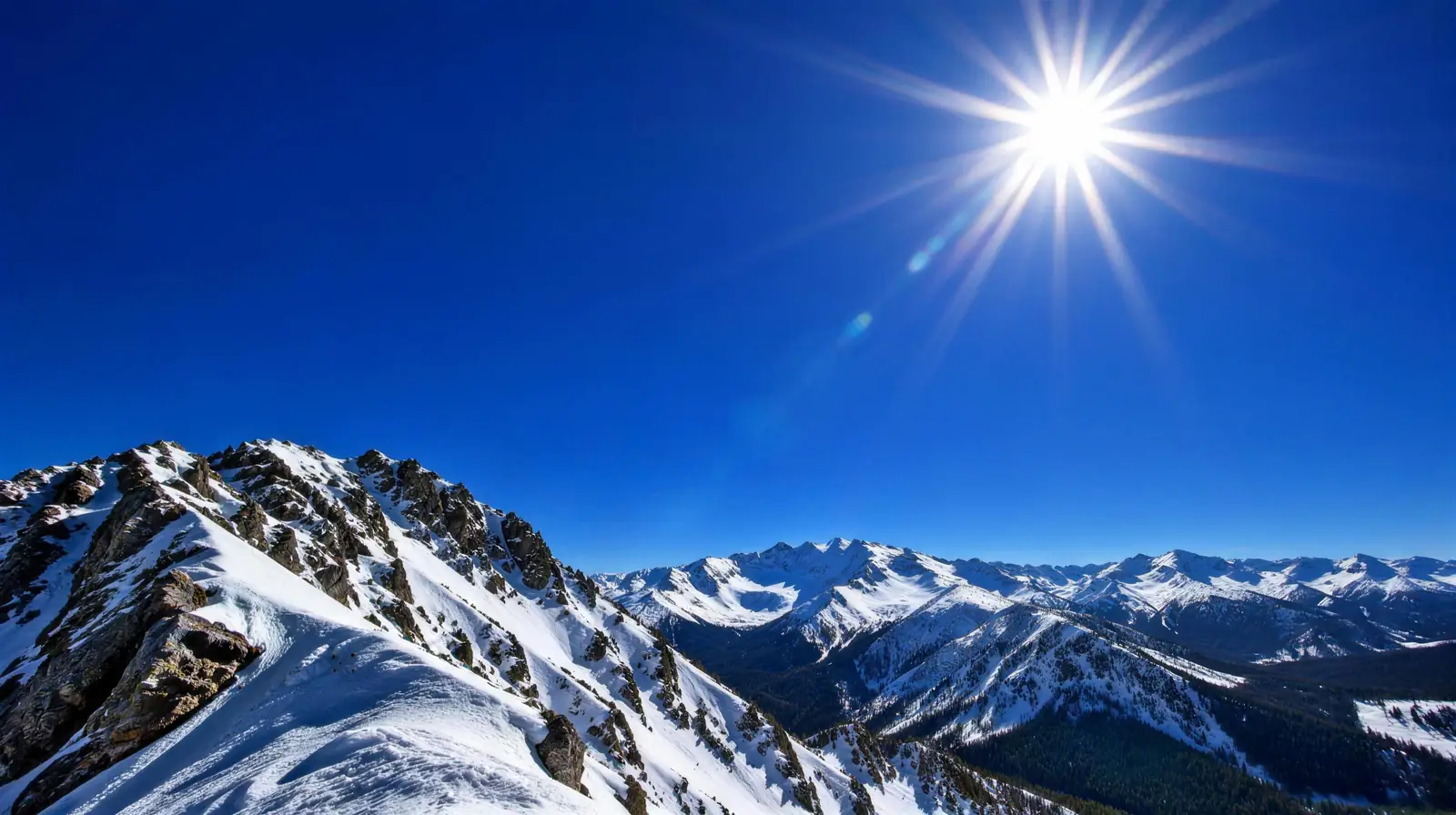
The sun is intense when it does shine. Walls facing south and west fade and chalk quickly, and dark stains on those walls can gray within a few seasons. Lighter, warmer colors tend to age more gracefully on the sunniest sides.
Plywood panel and older stained siding
Grooved plywood panel siding shows up on a lot of older mountain-edge homes. Its weak spot is the bottom edge and the horizontal joints, where water wicks into the layers and the face veneer starts to separate. Paint can't hold a delaminating panel together.
Whether panel siding gets paint or a solid-color stain depends mostly on what's on it now. Panels that were painted before should stay painted. Panels that were stained and have weathered evenly can take another stain, as long as the surface is clean and firm. Trim boards around these panels, especially the horizontal ones that cover joints, need their top edges caulked or flashed so water can't sit behind them. That small detail decides whether the panels below last.
Board repair, edge sealing and primer choice are covered on our exterior prep and repair page.
Before you schedule
Let us know how the driveway handles a work truck, whether there's water access outside, and which walls you already know are trouble. Book early in the year if you can, since the window up here is short. We also work just down the road in Monument.
Request an estimate and we'll walk the whole property with you.