Why the bottom of the wall goes first
Walk around almost any house in Milliken and compare the siding at knee height with the siding up by the eaves. The lower boards usually look worse. Three things work on them every year.
Lawn sprinklers hit the same strip of siding several times a week all summer. Sprinkler water can leave white mineral spots as it dries, and that residue sits between the old paint and the new coat if it isn't scrubbed off. Soil and mulch splash up during storms and hold moisture against the wood. Then winter snow drifts against the foundation and melts slowly on the north and east sides, so the bottom edges of the boards stay wet for weeks.
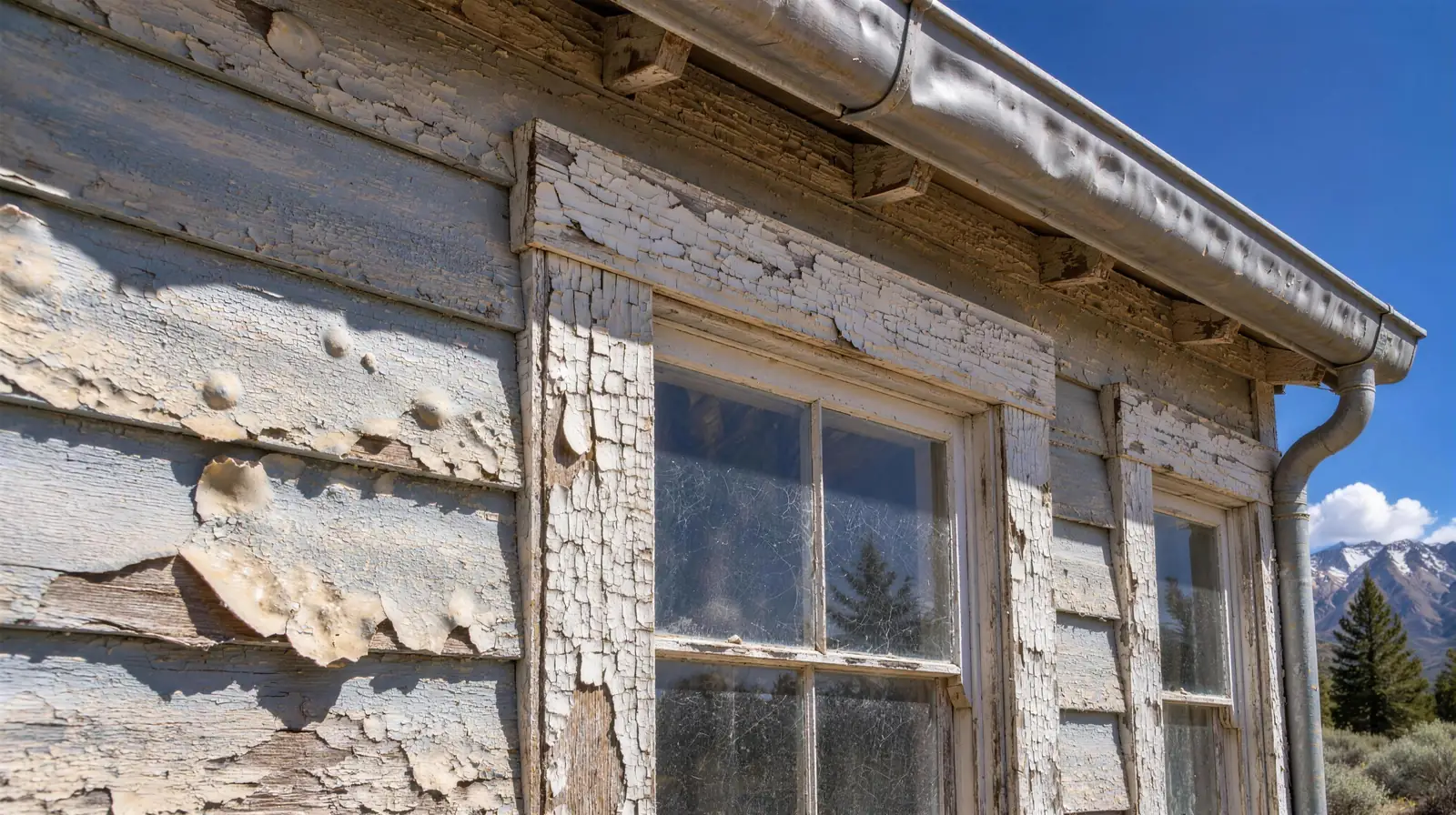
The result is peeling, swollen board edges and mildew right at grade. Before we price the job we check how close the siding sits to soil and whether sprinkler heads are aimed at the house. Turning a sprinkler head away from the house costs nothing and helps the new paint on that strip last. The washing, scraping and wood repair steps are on our exterior prep and repair page.
Older homes and the siding added later
Milliken's older streets near the center of town have modest houses, many of them built long before 1978. Some still have their original wood lap siding. Others were covered at some point with aluminum or steel siding, a common retrofit on older homes in many towns. Both can be painted, but they need different prep.
Old aluminum siding usually has a factory finish that has chalked heavily. It needs a thorough wash, a light scuff, and primer anywhere the metal shows through or corrosion has started. Wood lap siding under many coats may contain lead in the older layers, and the EPA's Renovation, Repair and Painting rule calls for lead-safe work practices on pre-1978 homes: containment, wet scraping and careful cleanup. If you're not sure what's on your house, we'll look before quoting. Our siding painting page goes into each material.
Fences, gates and the long exposed side
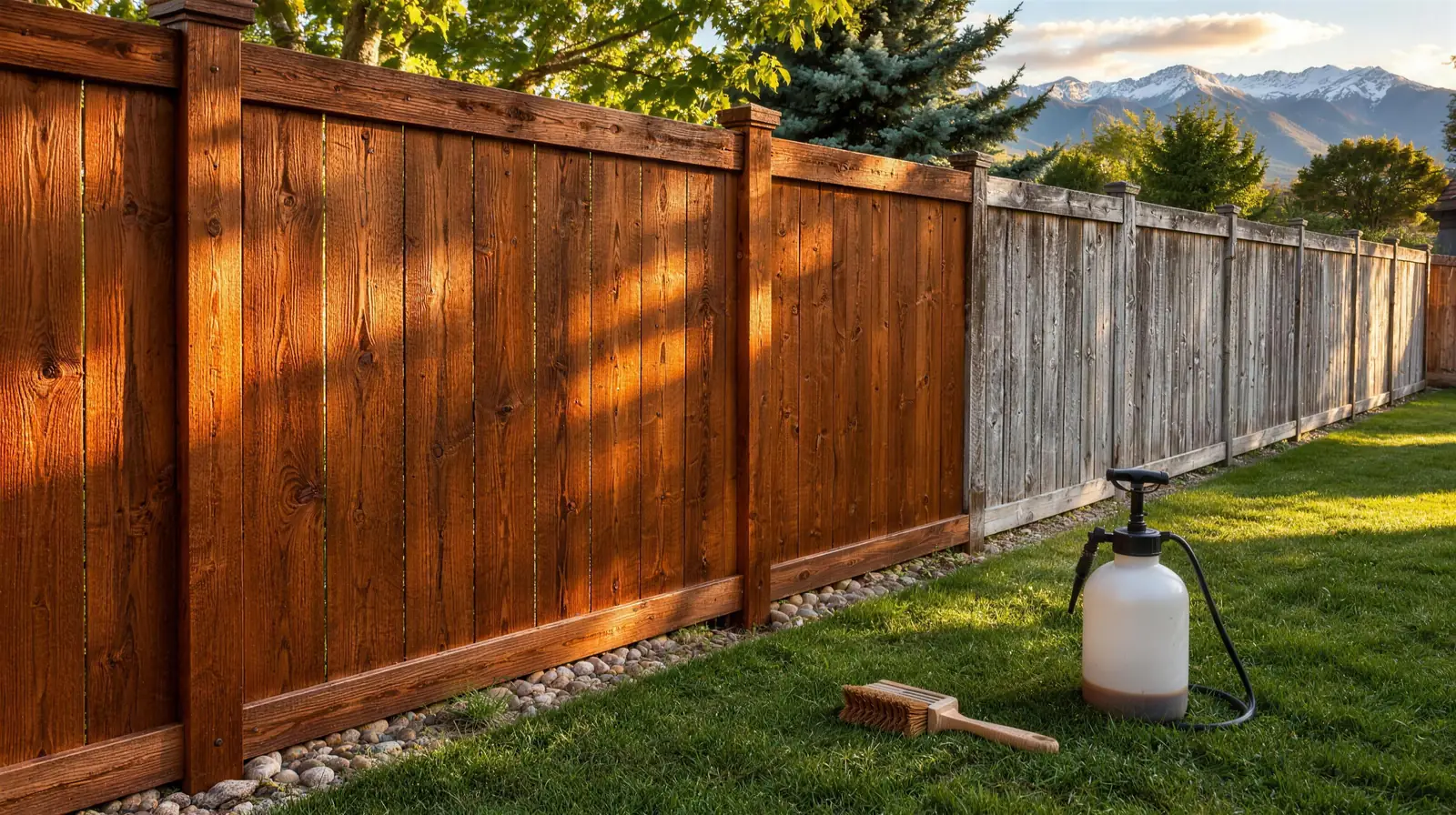
Lots in and around Milliken tend to be open to the wind and the sun, and wood privacy fences take both. The side facing south or west turns gray and splits first. Fence boards also sit in the sprinkler line, so their bottoms rot faster than the tops.
If this, then that
- If the fence has never been finished or the old stain has worn off evenly, then a penetrating stain after cleaning is the simple, low-maintenance choice.
- If the fence was painted before and is now peeling, then plan on scraping and repainting, since stain can't soak through a paint film.
- If many pickets are cracked or loose at the bottom, then replace those first; new boards should weather a little or be cleaned well before stain goes on.
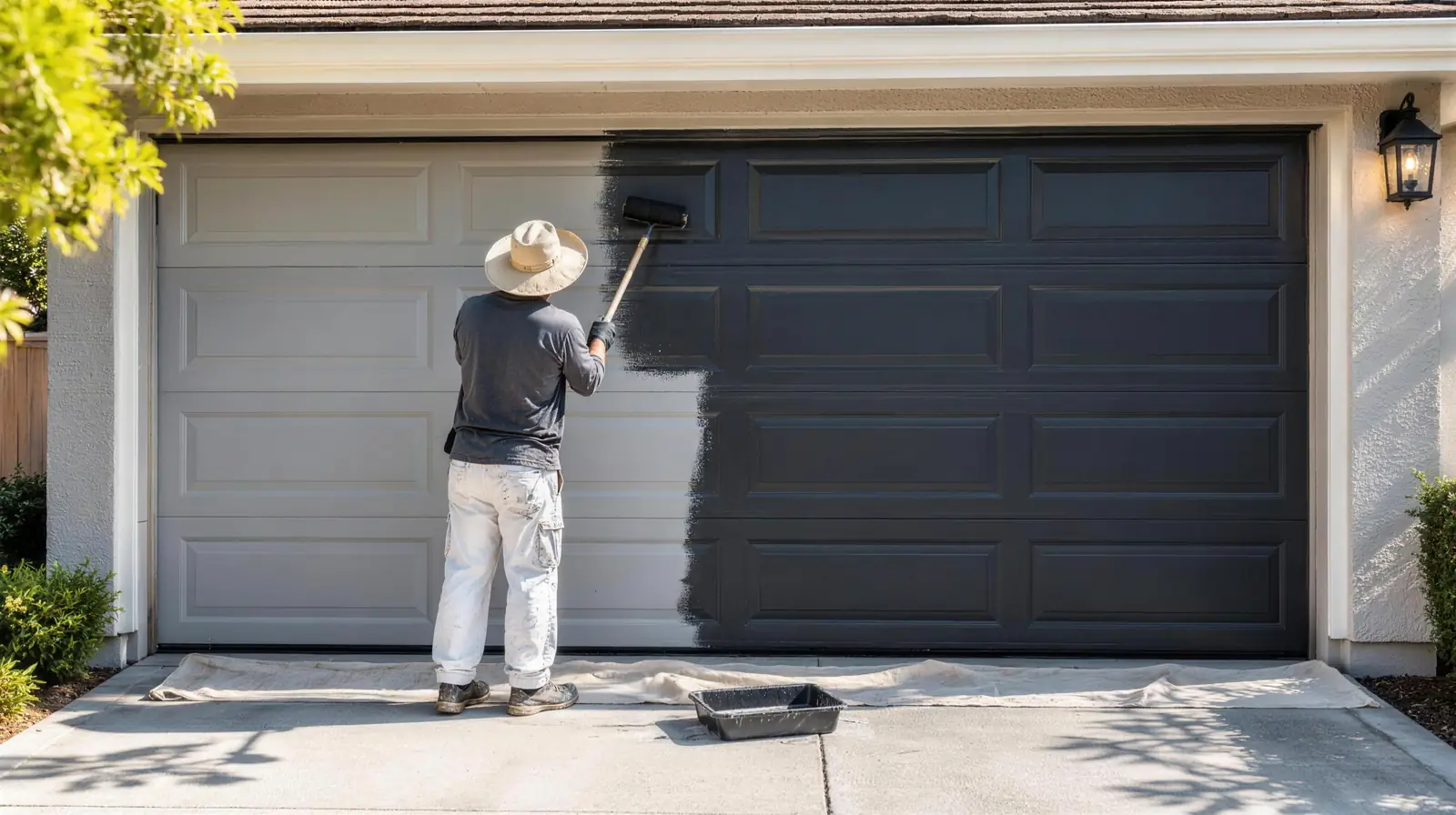
- If you want the fence to match the house trim, then a solid-color stain gives an opaque look without the peeling risk of a thick paint film.
More detail is on our deck and fence staining page.
Weather in a plains town
Milliken sits a little lower than the towns to the west, but the sun is just as strong, and there is little to break the wind across the fields. Spring brings gusty days and cold nights that limit painting hours. Summer is the main season, with afternoon thunderstorms and occasional hail to plan around. In fall, the working days are often dry and calm, which suits exterior work. We follow the minimum temperature on each product's data sheet, and we don't paint over walls that are still damp from morning dew or a sprinkler cycle.
Questions worth asking before an estimate
- Is the fence, shed or detached garage part of the job, or just the house?
- Can the sprinkler system be shut off or redirected while we work?
- Was the house built before 1978, and has anyone tested the paint?
- Is there aluminum or steel siding over older wood?
If you're near the Johnstown line, the housing is similar on both sides. Request an estimate and we'll walk the property with you.